

18th Century Finial
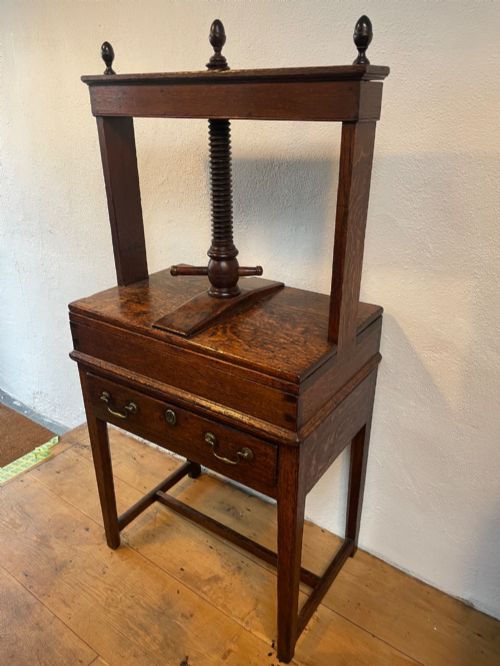
An 18th century finial completes a tall clock hood, mirror top, or architectural joinery with period authority.
18th Century Finial
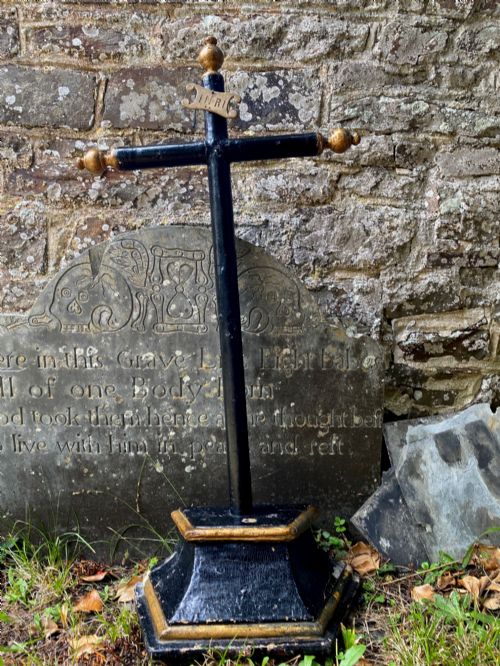
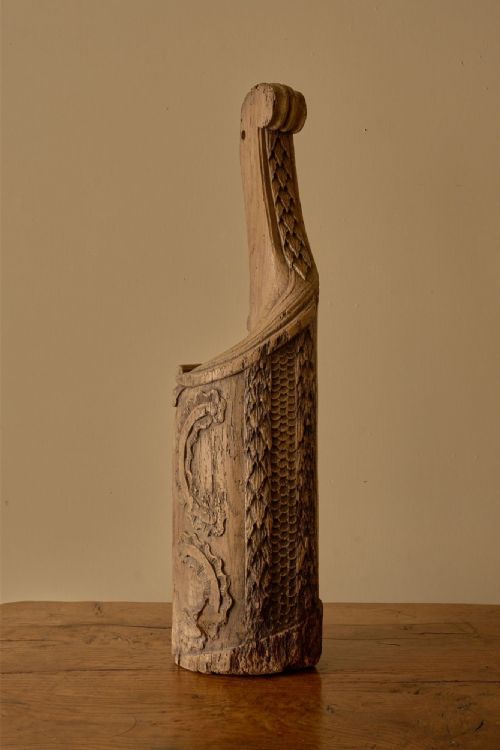
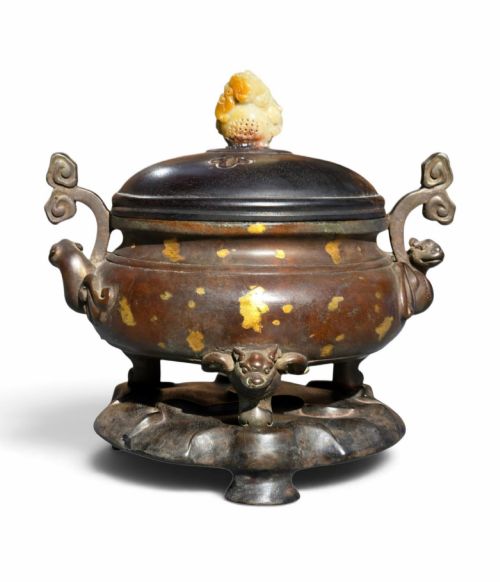
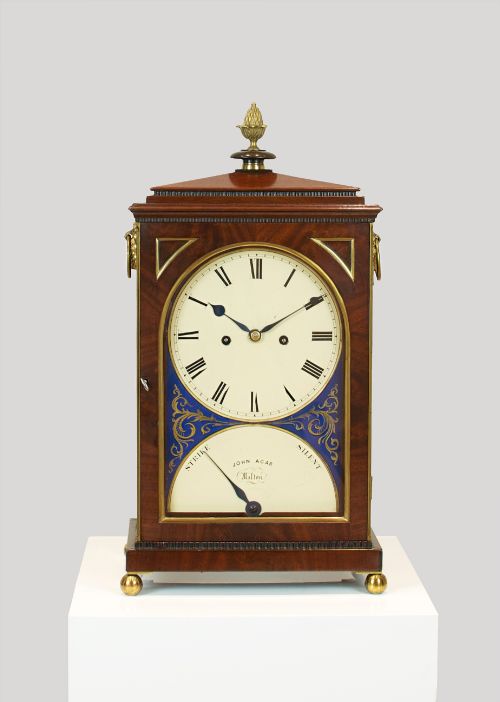
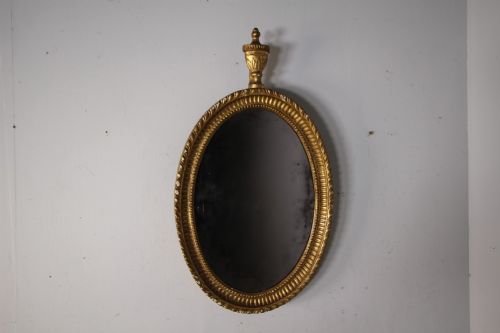
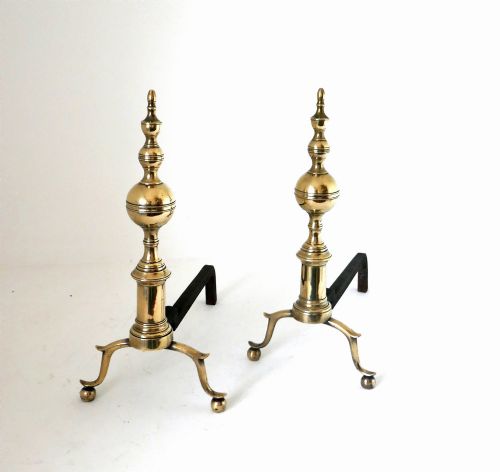
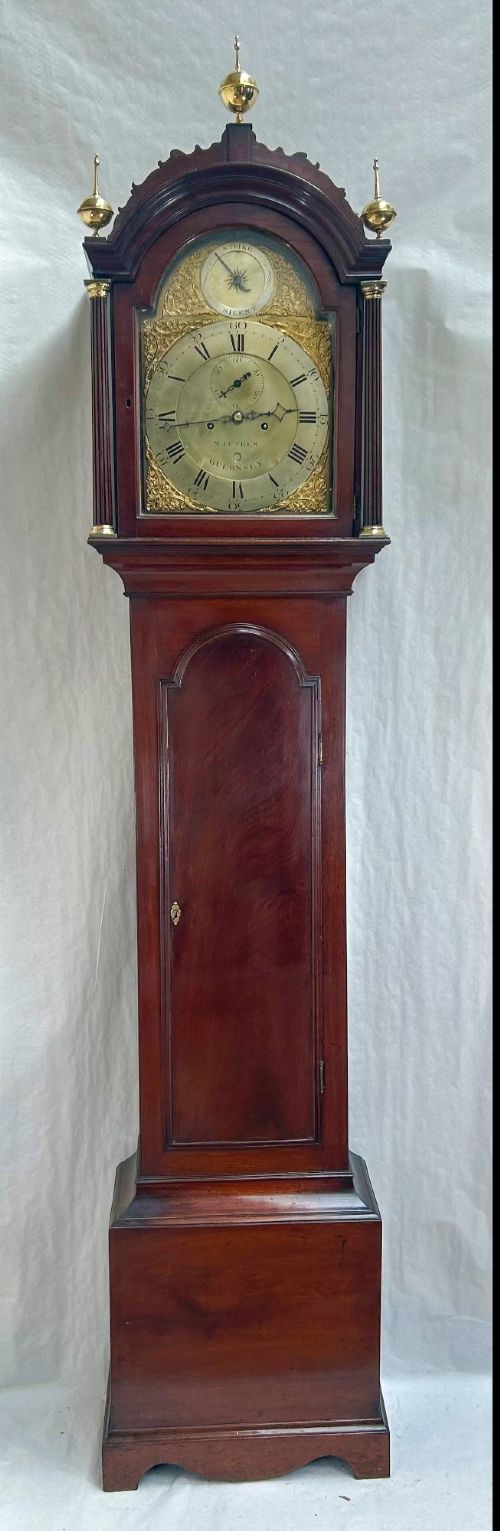
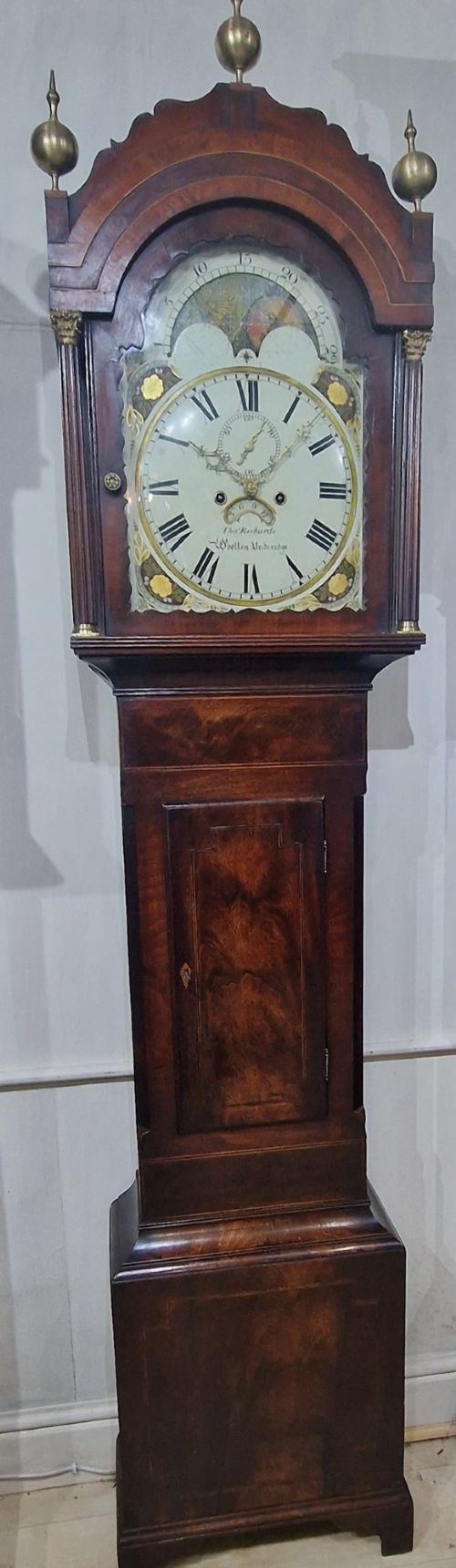
An 18th century finial crowns the apex of longcase clocks, carved furniture, and architectural elements from the Georgian period. Buyers seeking an authentic finishing detail find these ornamental terminals fashioned from wood, metal, or gilt bronze.
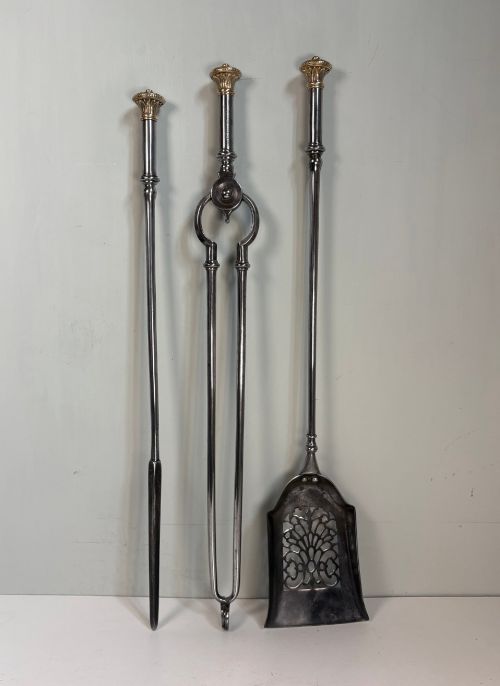
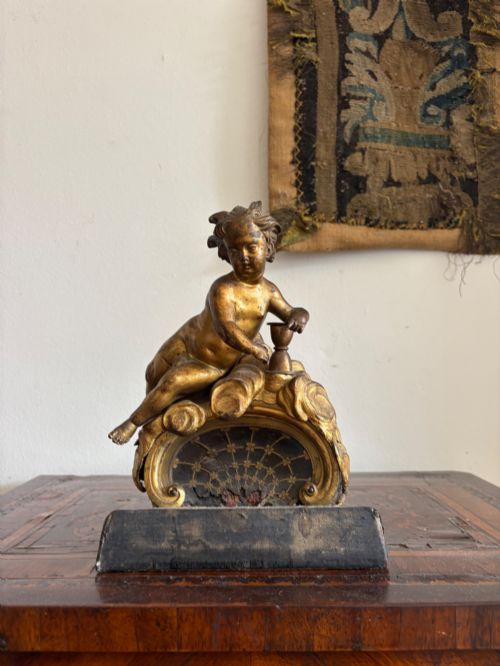
The selections on this page appear on longcase clock hoods, wall mirrors, and architectural salvage rather than as isolated decorative items. Most examples emerge from English and French workshops working in Georgian, Dutch Baroque, and Neoclassical styles.
How They Were Made
Makers shaped these terminals using traditional woodturning lathes for mahogany, oak, and walnut components, or cast metals like brass, iron, and bronze. Giltwood and gold leaf finishes applied over carved wooden cores provided the reflective highlights demanded by fashionable interiors.
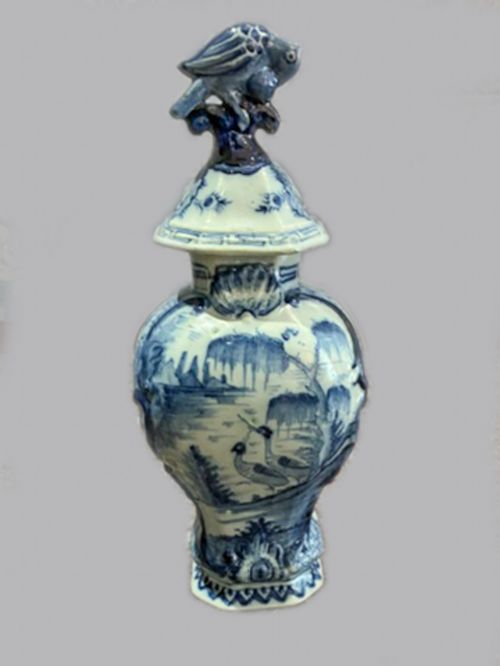
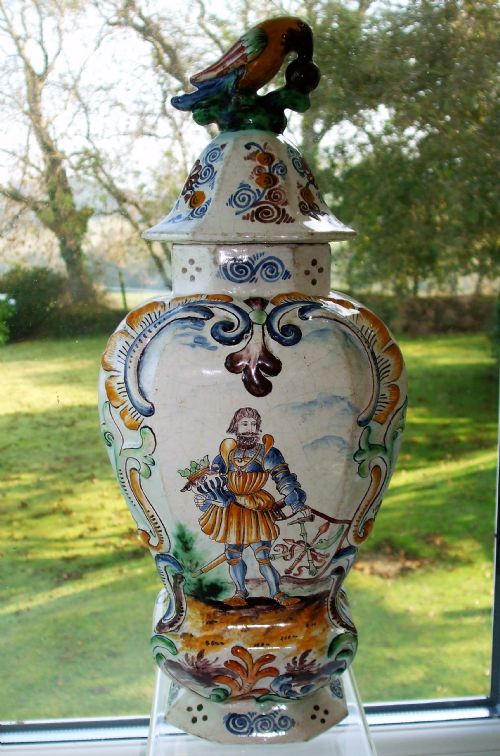
Metal components often utilised bronze or ormolu casting techniques followed by hand-chasing, while ceramic versions relied on hand-painted Delftware and porcelain bodies fired in period kilns.
18th Century Finial Retail Price Guide 2026
Typical asking prices for 18th century finial among the pieces listed under this phrase on Sellingantiques today, from the lower quarter to the upper quarter. They describe what is for sale here now, not the wider market.
Listings include architectural salvage, longcase clocks, and mirrors utilising brass, mahogany, oak, and giltwood across Georgian and Neoclassical styles.
What Varies in Quality
The distinction between ordinary turnings and superior examples rests in the crispness of the carved detail and the integrity of the original surface. Hand-chased bronze mounts and deeply carved wooden elements retain sharper profiles than later replacements or heavily sanded components.
Original gilding and untouched patination elevate an individual piece, whereas modern repairs or replacement mounting pegs diminish the historical value of the hardware.
William Soutter & Sons·John Hoyland·Francis Perigal·William Tomlinson·John Salmon
The 18th Century Finial Glossary
- Finial
- A decorative terminal ornament that marks the highest point of a piece of furniture, clock, or architectural structure.
- Ormolu
- Gilt bronze ornamentation applied to furniture and decorative objects during the eighteenth century.
- Newel Post
- The principal post at the foot of a staircase, frequently capped with a decorative turned finial.
- Panetiere
- A traditional French wall-mounted bread cabinet often featuring turned wooden finials along its crest.
18th Century Finial: Frequently Asked Questions
What is an 18th century finial used for?
These decorative elements serve as terminal points atop longcase clock hoods, architectural joinery, and mirror frames. They draw the eye upward and finish the compositional lines of period furniture.
Historically, makers placed them where structural joins met the open air, combining practical capping functions with decorative ambition.
How do I identify a period piece?
Examine the tooling marks, wood species, and wear patterns around the base where the element attaches to the furniture. Period examples show hand-turning ridges or early casting seams appropriate to eighteenth-century production methods.
Comparing the timber density and surface oxidation with the main body of the host object helps confirm whether the component is original.
Are these items sold individually or in pairs?
Surviving examples appear both as single components salvaged from clocks and mirrors, and as matched pairs intended for symmetrical furniture arrangements.
Clock hoods generally require a central piece flanked by smaller terminals, while mirrors and architectural elements frequently utilise matched pairs.
How should I clean a metal finial?
Dust gently with a soft dry brush to remove surface accumulation without disturbing the historical patination or gilding. Avoid chemical polishes that strip away age-related oxidation and historical surface layers.
Preserving the original metal skin maintains the visual continuity and collectible character of the piece.