


18th Century European Painting
These 18th century european painting works bring aristocratic portraits and devotional panels into domestic rooms with grounded, historical presence.
18th Century European Painting
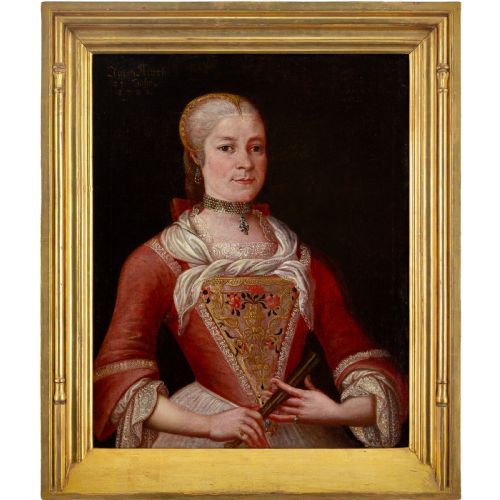
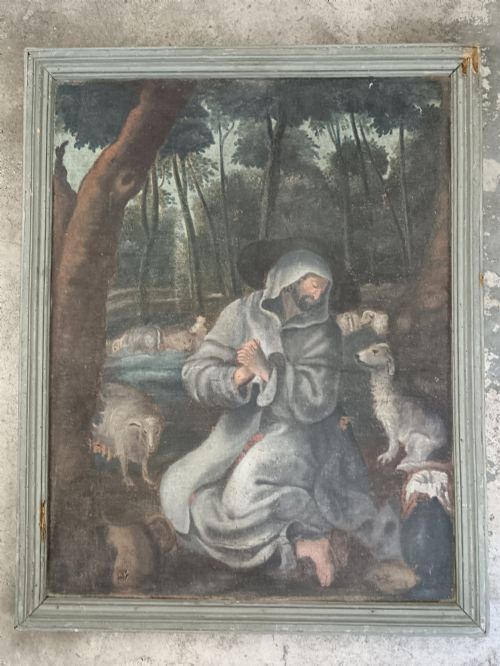
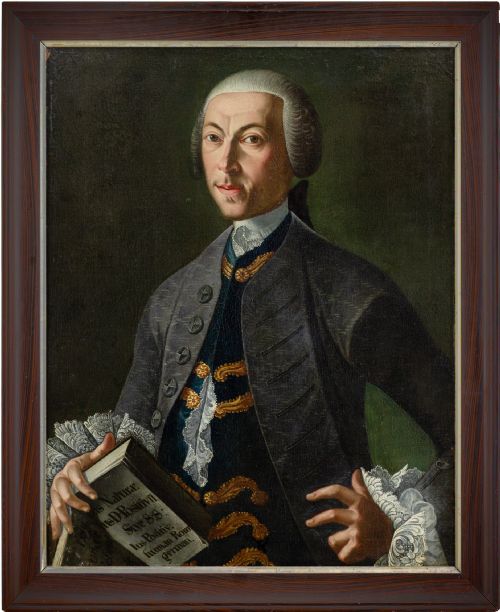
Buyers seeking an 18th century european painting generally encounter portraits of nobility, clerics, and scholars, alongside devotional scenes and still lifes. These works originate from various regional schools including Bavarian, German, Austrian, Italian, and Dutch workshops.
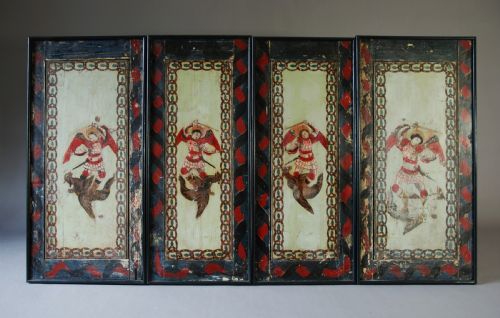
The selections on this page span oil paintings on canvas and wood panels, complemented by related decorative objects like painted pine panels and porcelain. Regional portraits and school pieces dominate the current range, showing how European artists captured likeness and character during this period.
Materials and Techniques
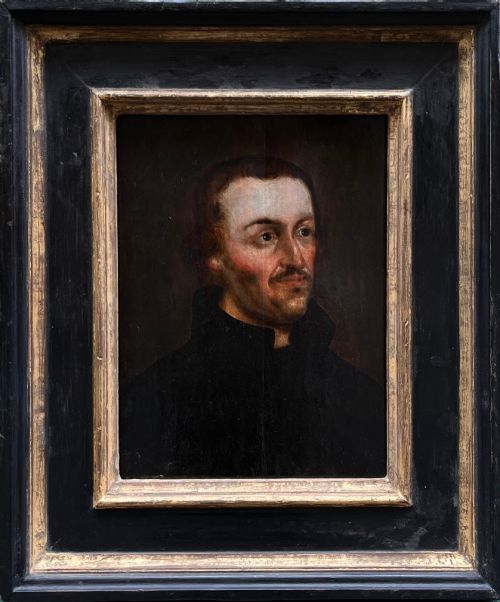
Artists of the period applied oil pigment onto prepared canvases or solid wood panels, sometimes revealing underlying changes known as pentimenti. Supports frequently include oak and pine, housed within period wooden frames utilising gold leaf and giltwood finishes.
Makers built up rich surfaces using traditional ground layers and oil binders, allowing for subtle tonal gradations in portraiture and floral depictions. Pigments were hand-mixed from mineral and organic sources, adhering closely to the conventions of regional schools.
Some portraits manage to stare down every visitor in the hallway with unwavering 18th-century intensity.
Evaluating Quality and Execution
Quality in these works rests upon the dexterity of brushwork and the psychological depth captured in portraiture. Superior examples demonstrate confident handling of light, shadow, and anatomy, whereas simpler folk art or naive pieces prioritise charm and direct expression over academic precision.
The preservation of the original paint surface and the integrity of the wooden panel or canvas dictate the long-term desirability of a piece. Finer works retain their original tonal balance without heavy later retouched areas masking the primary composition.
Jan Evert Morel·Johan Horner·Bartolome Esteban Murillo
The 18th Century European Painting Glossary
- Oil on Canvas
- A painting medium where pigments suspended in drying oils are applied to a stretched woven fabric support. This combination allowed artists to achieve smooth blending and rich surface textures.
- Pentimento
- An alteration in a painting evidenced by previous strokes showing through the upper layers of paint. This phenomenon reveals the artist changing their composition during the creative process.
- Giltwood
- Wood carved and coated with a thin layer of gold leaf or metallic powder. Frames finished in this manner provide a reflective border that enhances the tones of the painting within.
- Still Life
- An artwork depicting inanimate subject matter, typically commonplace objects such as fruit or flowers. In this period, such works demonstrated the artist's ability to render natural textures closely.
- School
- A group of artists associated with a particular region, period, or master, sharing common stylistic traits. Designations like Bavarian School help place anonymous works within a specific cultural context.
18th Century European Painting: Frequently Asked Questions
How do I identify an 18th century european painting?
Examine the canvas preparation, pigment characteristics, and stylistic conventions associated with regional schools of the period. Portrait subjects, clothing, and framing methods further help confirm the era of production.
Look closely at the reverse of the canvas or panel for old labels, stamps, or inscriptions that often record previous collections or attribution details.
Where were these paintings originally displayed?
These works hung primarily in European country houses, town residences, and religious institutions as expressions of status or devotion. Portraits recorded family lineages while still lifes adorned formal dining and reception rooms.
Smaller panels and devotional pieces often decorated private chambers or domestic chapels rather than large public galleries.
How should I care for an oil painting on wood panel?
Keep the piece away from direct sunlight, heating vents, and damp environments to prevent the wood panel from warping or cracking. Stable indoor humidity protects both the wooden support and the delicate oil paint layers.
Dust the surface gently with a soft, dry brush and avoid applying liquid cleaners or commercial restoration products to the aged varnish.
What is the difference between academic and naive works?
Academic works adhere strictly to formal rules of perspective, anatomical proportion, and tonal gradation taught in European art academies. Naive or folk art pieces prioritize narrative clarity and direct pattern over technical realism.
Both categories date to the same broader era, but naive pieces often display charming local characteristics distinct from court painters.