

18th Century English Art
When you explore 18th century english art, you encounter oil portraits, landscapes, and delicate prints that capture the visual character of the Georgian era.
18th Century English Art
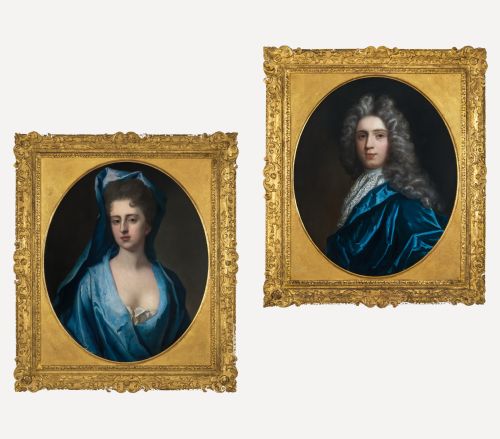
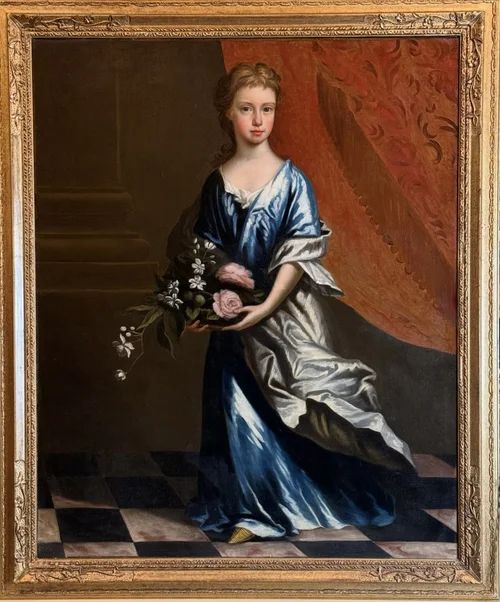
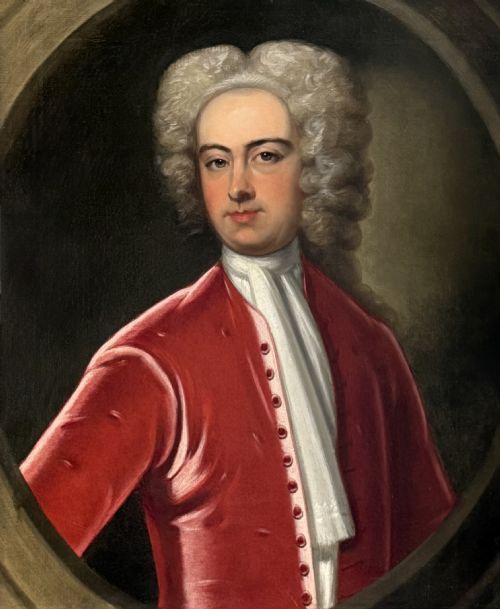
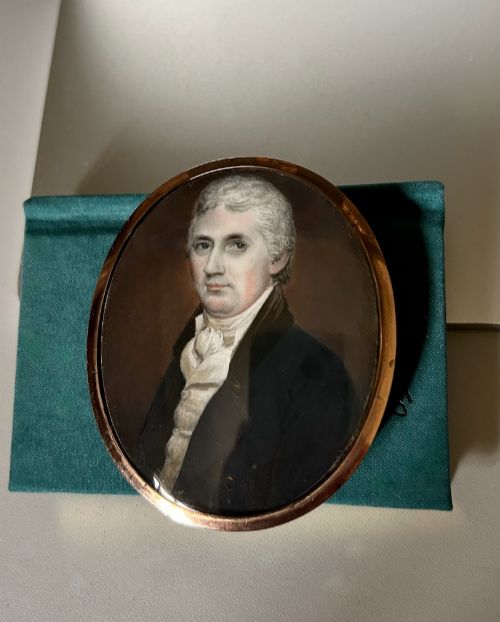
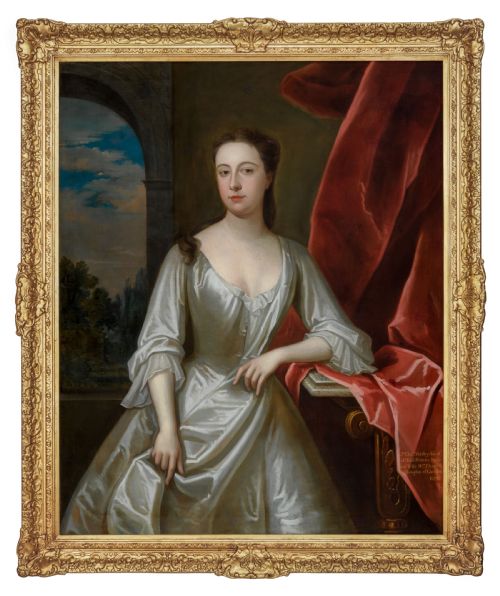
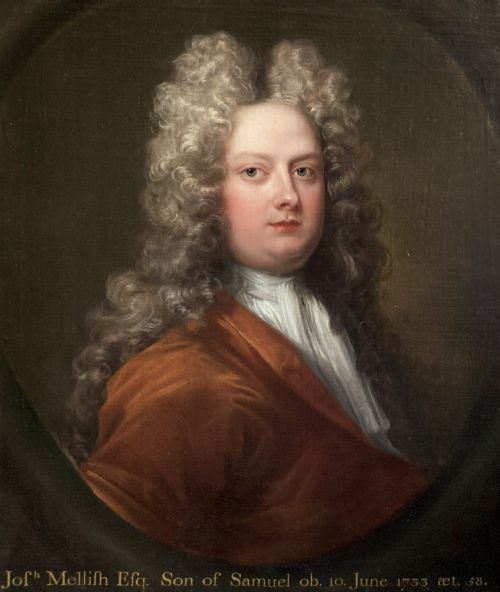
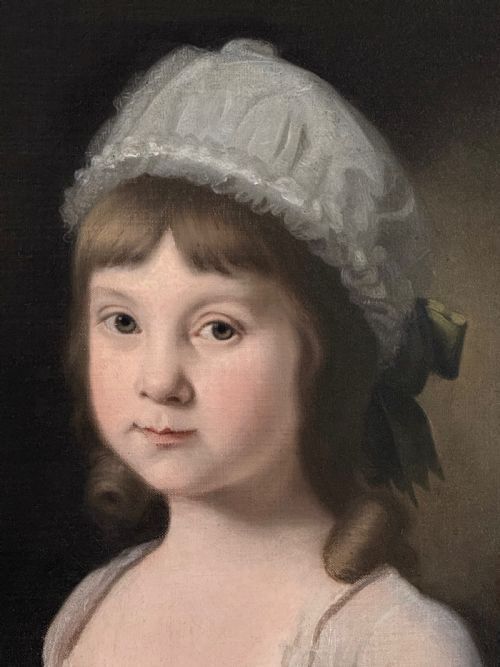
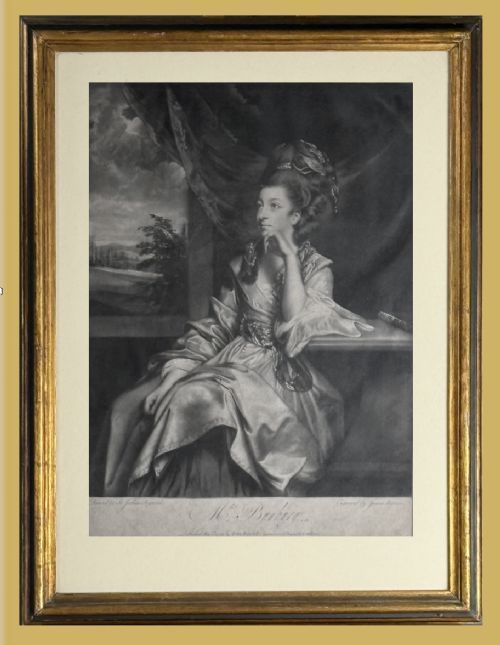
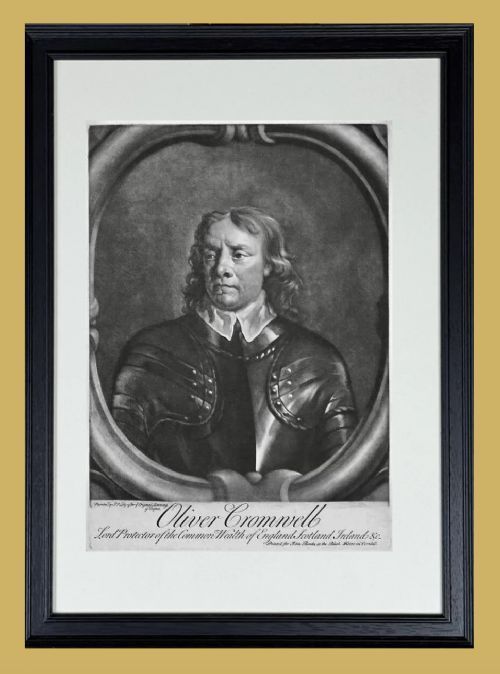
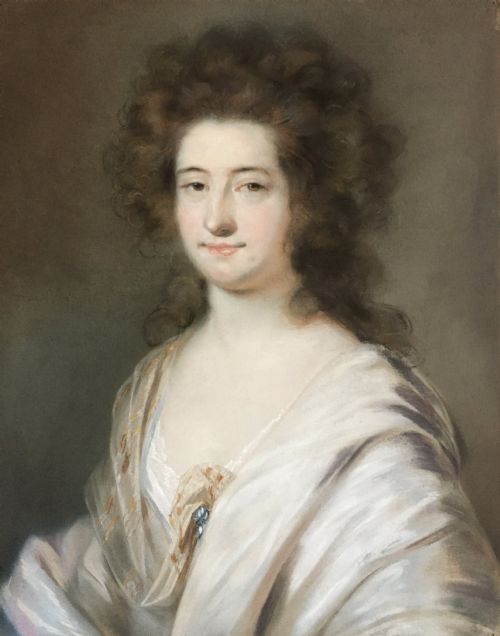
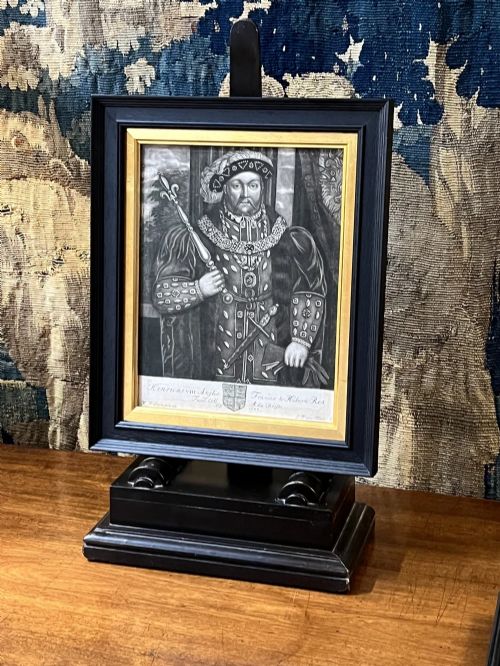
Collectors seeking 18th century english art primarily find portrait paintings executed in oil on canvas, alongside framed prints, mezzotints, and ink drawings from the period. These works frequently depict notable gentlemen, ladies, and children, often attributed to recognised British circles or regional schools.
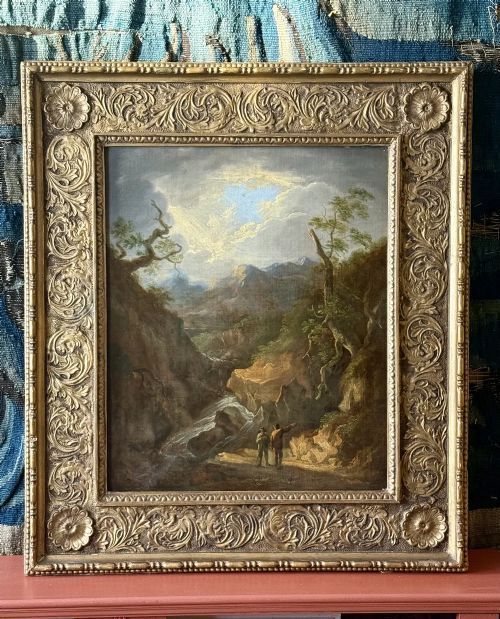
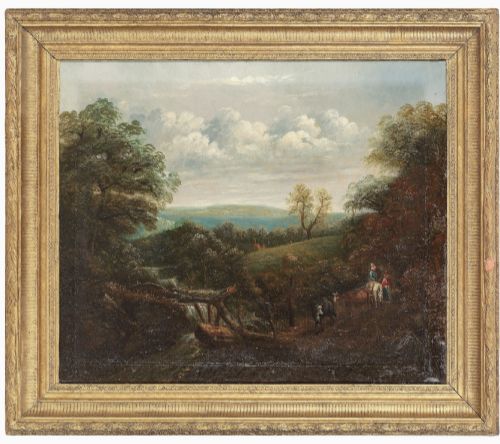
Beyond formal portraiture, the selection includes landscape paintings on canvas or board, decorative enamel plaques, and cartography maps. Pieces range from the early Baroque style through to the distinct Norwich School and Georgian aesthetics.
The objects span multiple centuries in their manufacture dates, though the core visual subjects anchor firmly in the 1700s and Georgian periods. Buyers encounter both original painted canvases and later printed interpretations by accomplished engravers.
Materials and Construction
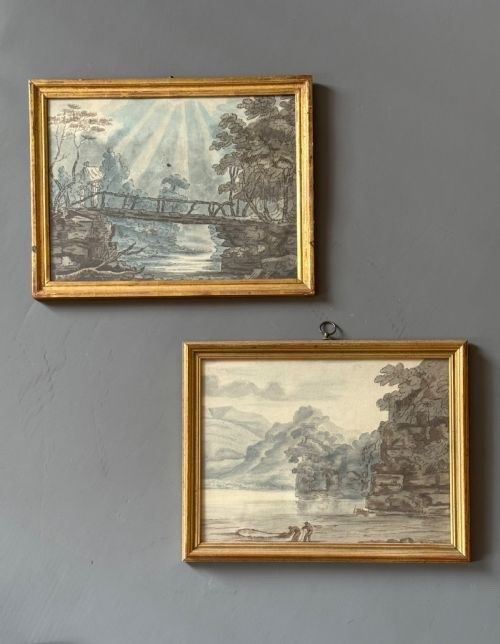
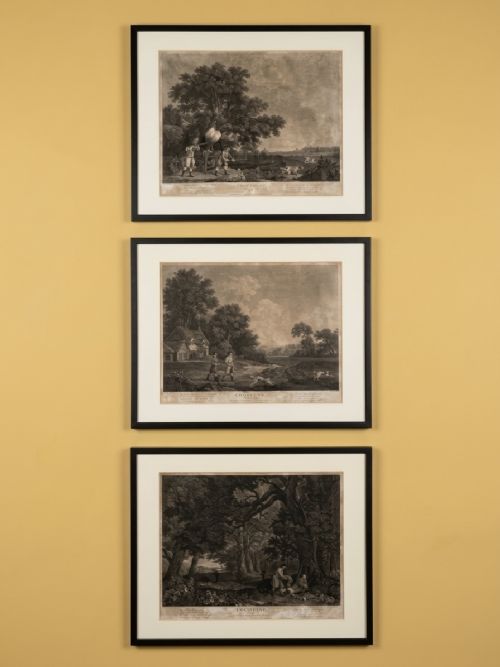
Painters applied oil pigments onto stretched canvas or wooden panels, often finishing works with heavy giltwood frames and gold leaf detailing. Paper supports appear frequently in the form of engravings, mezzotints, pastel drawings, and printed cartography.
Craftsmen utilised glass for protective glazing and reverse glass printing techniques, while specialised workshops produced vitreous enamel on metal plaques. Wood also forms the physical backing and structural framing for many flat works of fine art.
Listings feature oil on canvas, paper, glass, giltwood, and wood across the 17th, 18th, and 19th centuries.
Assessing Quality and Execution
The nuance in quality rests on the precision of the brushwork, the psychological depth captured in facial expressions, and the structural integrity of the original canvas and stretcher frame. Works by named artists or close contemporary circles demonstrate superior draughtsmanship in anatomy and drapery.
Condition plays a significant role, with preferred pieces retaining stable paint layers, minimal historical restoration, and period-correct framing. Engravings and mezzotints vary according to the clarity of the impression and the sharpness of the plate lines.
Sir William Beechey·Sir Godfrey Kneller·Charles Jervas·Henry Bone·Joshua Reynolds·James Watson·John Bowles·Peter Lely·Samuel Cooper·Michael Dahl·Thomas Murray·John Russell·John Faber Snr·Hans Holbein·Thomas Beach·Benjamin Barker·Robert Byng·William Hogarth·John Opie·Trajan Hughes·Jeremiah Davison·Adriana Verelst·George Morland·Joseph Highmore·Robert Sayer
The 18th Century English Art Glossary
- Mezzotint
- A printmaking process of the scraperboard family, allowing smooth gradations of tone and dark backgrounds. This technique was widely utilised for reproducing popular oil paintings in monochrome.
- Baroque
- An ornate artistic style spanning the 17th and early 18th centuries, characterised by dynamic movement and deep shadow. Works in this manner often display dramatic lighting and rich colour palettes.
- Giltwood
- Wood that has been coated with a thin layer of gold leaf or powder. It provides a reflective, ornamental border for fine art frames.
- Enamel
- A material made by fusing powdered glass to a metallic substrate at high temperatures. Staffordshire plaques demonstrate this colourful decorative technique.
- Cartography
- The study and practice of making maps. Antique examples from this era record historical geographical boundaries on aged paper.
18th Century English Art: Frequently Asked Questions
How do I identify a period oil painting?
Examine the canvas weave, the stretcher construction behind the artwork, and the ageing patterns within the oil paint layers. Earlier canvases tend to use hand-woven linen which displays irregular texture.
Look closely at the pigments and the style of the brushwork to determine whether the piece aligns with 18th-century portrait conventions.
What is a mezzotint portrait?
A mezzotint is an early printmaking method where the artist works from dark to light by roughening a metal plate with a rocker. This technique creates rich tonal variations rather than simple line drawings.
Publishers frequently used this method to disseminate likenesses of prominent public figures after original oil paintings.
How should I display antique art?
Hang paintings and framed prints away from direct sunlight and steady heat sources to protect the delicate canvas, paper, and giltwood frames. Stable indoor humidity prevents the wooden stretchers from warping.
Ensure the wall fixings match the weight of the heavy wooden frames and original mountings.
What is an enamel plaque?
Enamel plaques are small decorative items created by fusing powdered glass onto copper or metal bases through kiln firing. Workshops in regions like South Staffordshire produced these colourful pictorial panels.
They often depict figural scenes, landscapes, or portraits intended for intimate display.