

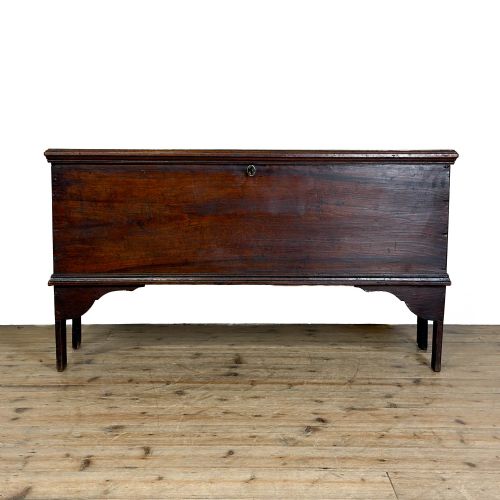
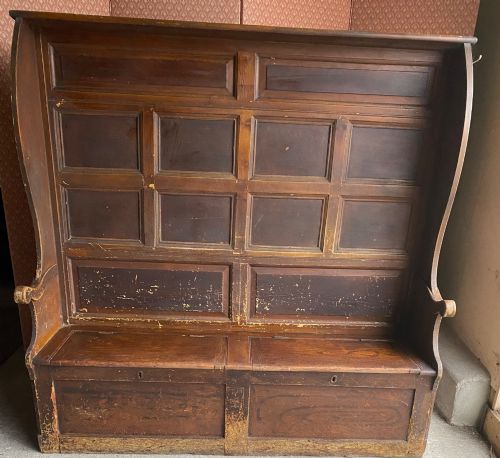
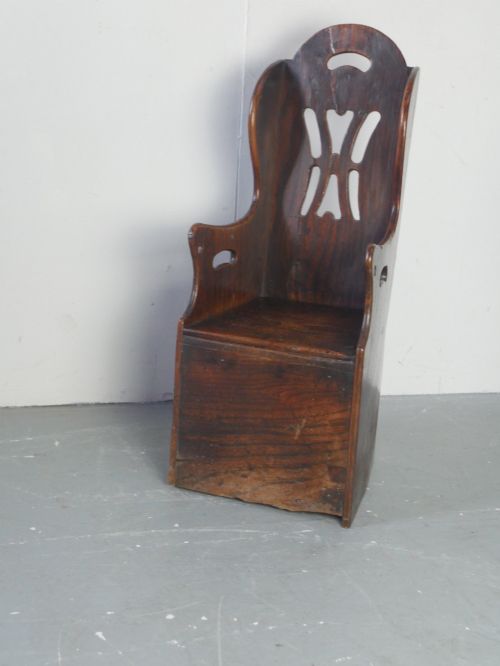
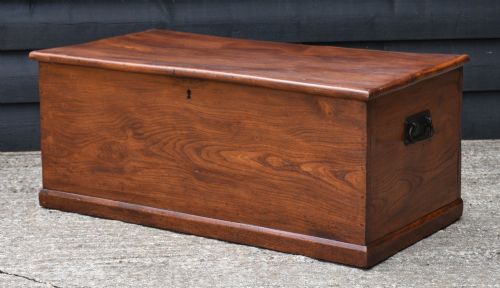




18th Century Elm Box
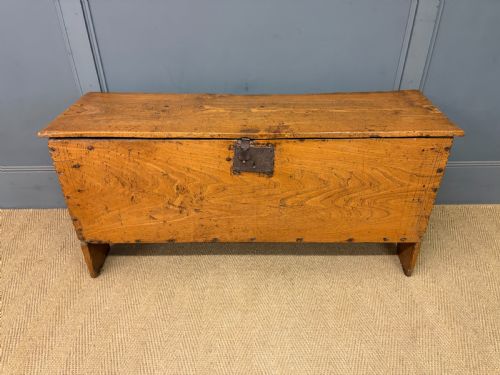
An 18th century elm box is a robust domestic container prized for rich timber figuring and honest vernacular character.
18th Century Elm Box
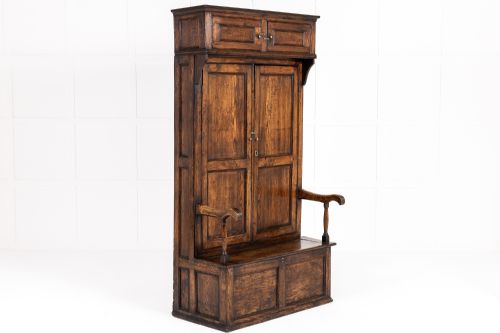
Buyers frequently encounter variants combining elm with pine or oak, alongside related forms like miniature furniture, blanket boxes, and coffers. The selection reflects both regional English vernacular traditions and occasional broader stylistic influences.
The material displays distinct grain patterns, ranging from plain boards to striking burr elm highlights. Surviving examples demonstrate how these utilitarian objects served households for holding documents, valuables, or household goods.
Materials and construction methods
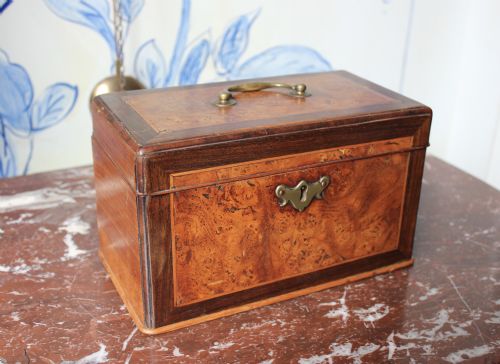
Makers constructed these boxes primarily from solid elm, frequently utilising oak and pine for secondary framing or internal panels. Burr elm and walnut veneers appear on select refined items such as tea caddies.
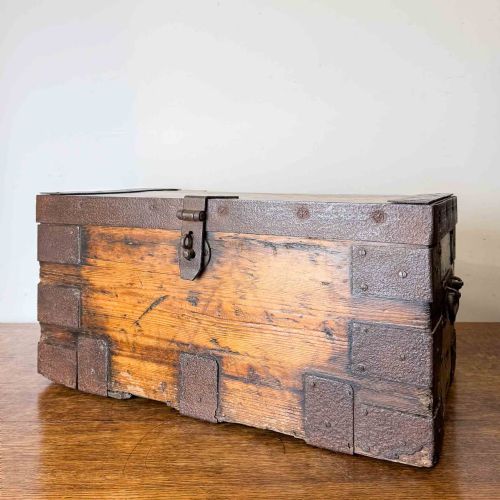
Workshops secured heavy planking and lids with durable iron and brass hardware, including strap hinges and iron bindings on strongboxes. Carpenters relied on straightforward joinery suited to provincial furniture production.
18th Century Elm Box Retail Price Guide 2026
Typical asking prices for 18th century elm box among the pieces listed under this phrase on Sellingantiques today, from the lower quarter to the upper quarter. They describe what is for sale here now, not the wider market.
Object types span bible boxes, mule chests, strongboxes, and tea caddies originating from English country workshops.
Factors of quality and distinction
The desirability of an 18th century elm box rests heavily upon the visual depth of the timber grain and the warmth of the surface patina. Plain boards contrast sharply with richly figured burr elm panels.
Structural integrity and the retention of original hardware, such as hinges, locks, and brackets, elevate a piece above standard utilitarian trunks. Form also plays a part, distinguishing simple bible boxes from elaborate miniature chests of drawers.
The 18th Century Elm Box Glossary
- Elm
- A tough, durable native British hardwood known for interlocking grain that resists splitting. It was widely chosen by country makers for utilitarian furniture.
- Bible box
- A small desktop container traditionally used for storing scriptures and important family documents. These pieces often feature sloping lids.
- Burr elm
- An irregular growth on the elm tree yielding highly decorative timber swirls and knots. Cabinet makers utilised these sections for feature panels.
- Strongbox
- A heavily reinforced storage chest designed for security. Iron bands and straps protect the wood against forced entry.
- Patina
- The deep sheen and surface character acquired by wood over centuries of handling and ageing. It serves as a key indicator of authenticity.
18th Century Elm Box: Frequently Asked Questions
What did people store in an 18th century elm box?
These containers held precious household documents, family bibles, and personal valuables safely away from dampness and pests. Smaller formats functioned as desktop writing boxes or secure repositories for money.
Larger trunk variants accommodated textiles, blankets, and dry goods within the home. Their sturdy construction made them reliable fixtures in both modest cottages and larger provincial dwellings.
How do I care for an antique elm surface?
Maintain the wood by applying occasional light coats of natural beeswax rather than modern liquid polishes. Keep the box away from direct heat sources and drastic humidity shifts to prevent timber shrinkage.
Allow the surface to breathe and avoid aggressive scrubbing that might strip the historic patina. Gentle dusting with a dry cloth is sufficient for routine upkeep.
How do I distinguish an 18th century box from later copies?
Examine the timber shrinkage, hand-cut joinery marks, and the wear patterns around handles and keyholes. Genuine period pieces show appropriate tool marks and timber movement consistent with age.
Hardware should integrate naturally with the structure rather than appearing hastily retrofitted. The presence of secondary woods like pine or oak often aligns with regional 18th century workshop practices.
Why is elm used instead of oak on these boxes?
Elm offers exceptional toughness and resists splitting when nailed or pinned, making it ideal for robust everyday containers. Its twisting grain structure absorbed heavy knocks in busy rural environments.
While oak remained popular for formal architecture and furniture, elm provided country makers with an accessible local alternative. The timber's distinctive grain also yielded highly decorative surfaces when polished.