


18th Century Desk Slope
An 18th century desk slope is a portable or fitted writing slant offering a neat, sloping surface for correspondence.
18th Century Desk Slope
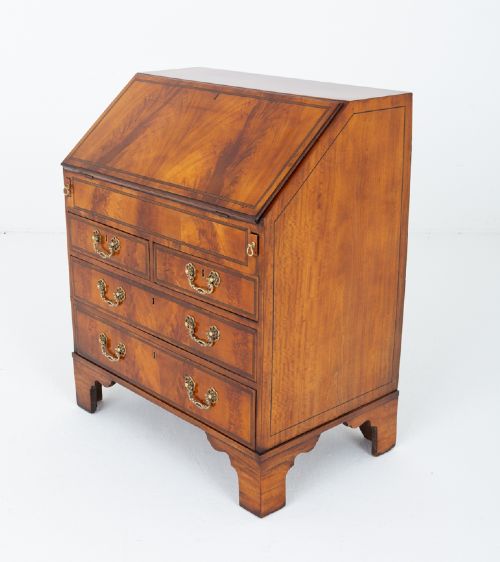
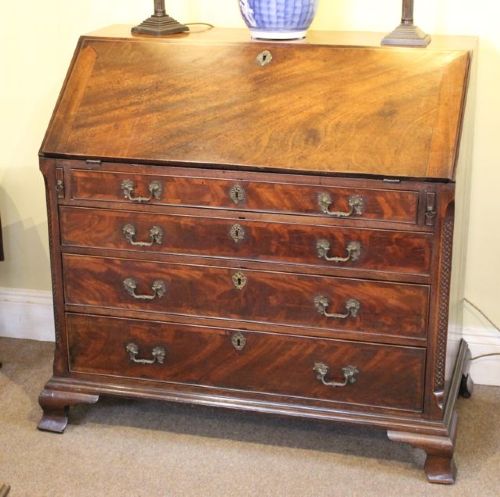
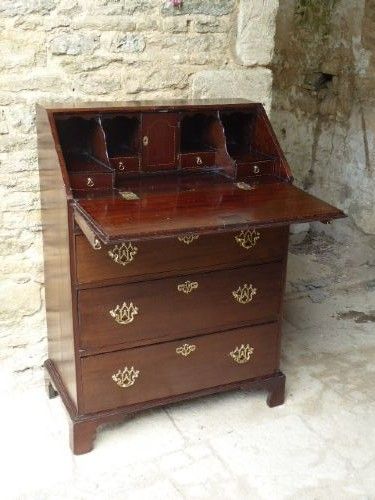
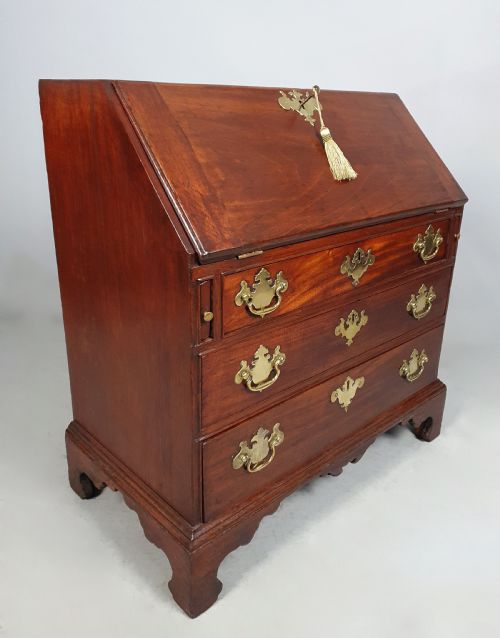
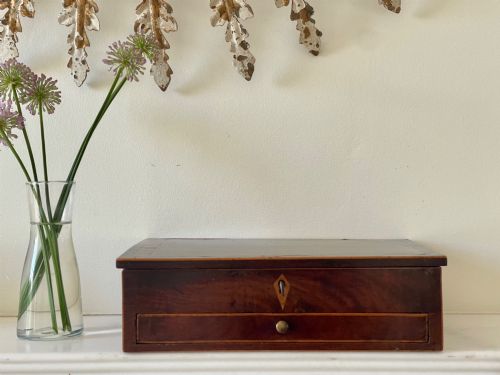
When you search for an 18th century desk slope, you encounter a specialised form of antique writing furniture. The selection comprises compact lap desks, fitted writing boxes, and larger bureaux featuring sloping lids designed for handwritten correspondence. These pieces serve as functional writing surfaces while providing internal storage for papers, ink, and quills.
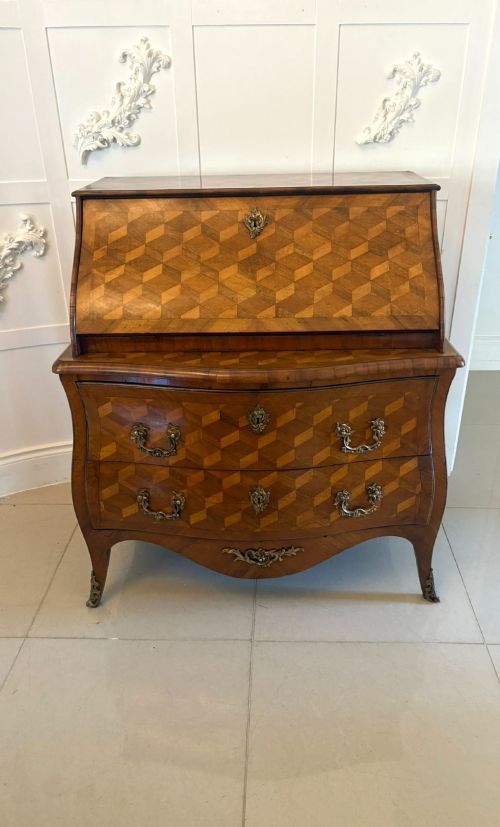
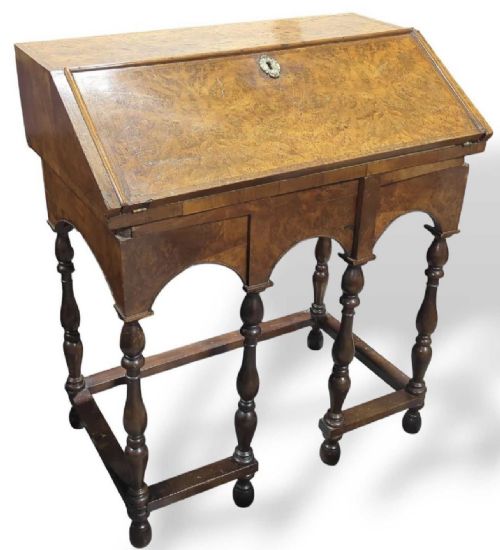
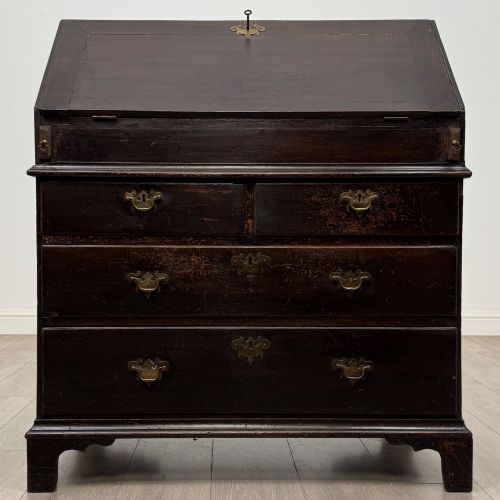
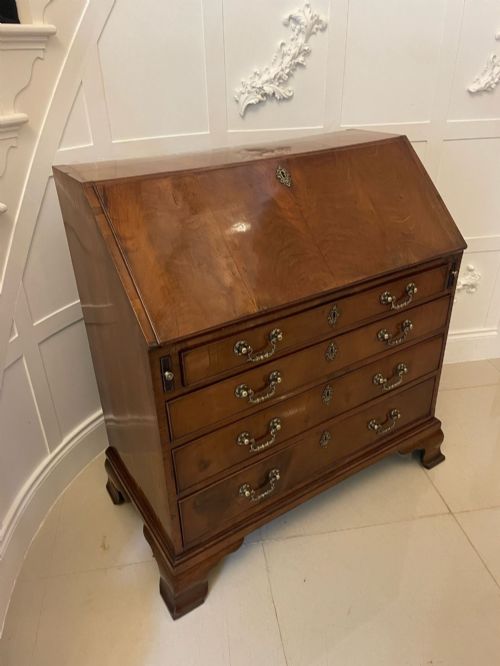
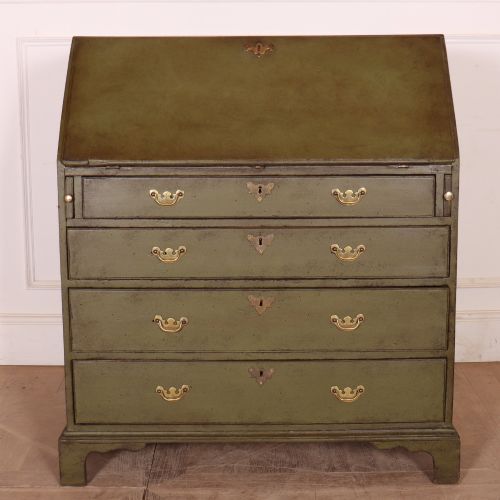
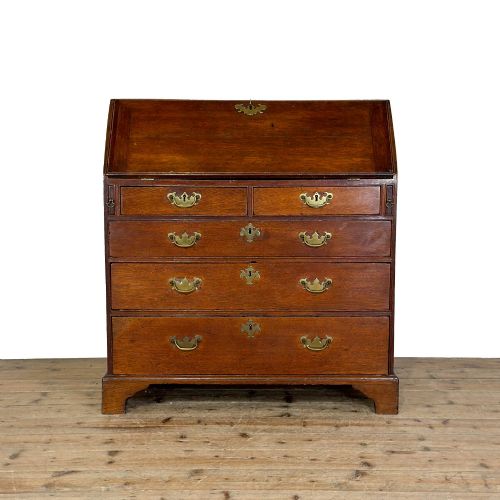
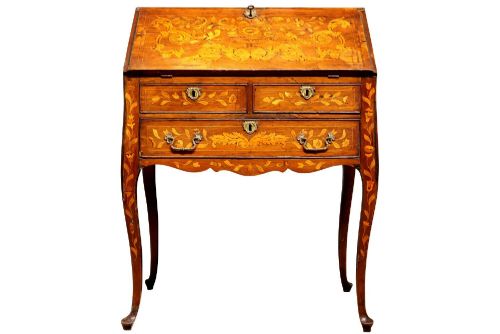
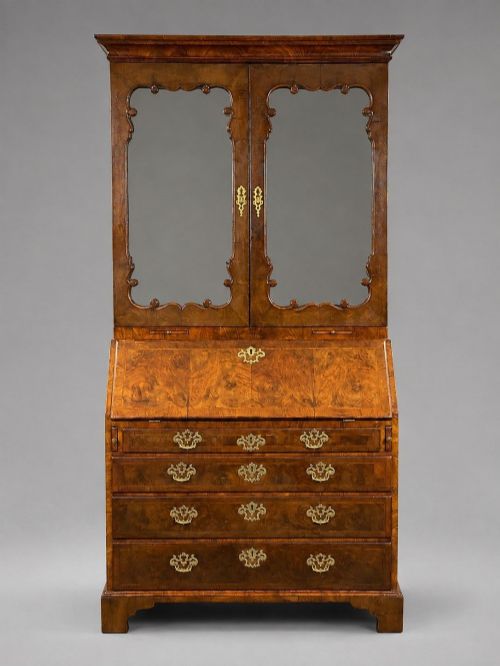
The versions met most frequently on this page span the 17th, 18th, and 19th centuries, reflecting styles from Queen Anne through to the Georgian era. Oak, mahogany, and walnut dominate the offerings, occasionally enhanced by marquetry or simpler country construction. Forms range from miniature travelling boxes to substantial bureau bookcases and standing desks.
Materials and Construction
Cabinetmakers constructed these writing pieces primarily from native and imported timbers, utilising mahogany, oak, walnut, and fruitwood. Selected woods often displayed rich figure and grain, sometimes augmented by decorative veneers or floral marquetry. Secondary timbers such as cedarwood frequently appear within internal compartments and drawer linings.
Joinery techniques relied upon dovetailed joints for drawers and solid framing for carcases, ensuring durability for daily use. Metalwork played a crucial structural and decorative role, with brass carrying handles, escutcheons, and hinges fitted to portable slopes, alongside original ironwork on earlier oak examples.
Some portable slopes contain secret compartments released only by pressing hidden wooden catches within the stationery well.
Factors of Quality
The excellence of a piece rests largely upon the selection of timber and the preservation of its original surface. Desks fashioned from heavily figured woods, such as burr walnut or flame mahogany, demonstrate superior material choice by the original maker. Furthermore, the integrity of the secondary timbers and the retention of original brass or iron hardware elevate the standing of an individual piece.
Refinement in execution distinguishes finer examples from simpler provincial work. Crisp execution of marquetry inlay, well-proportioned fall-front writing slopes, and neatly fitted interior pigeonholes indicate higher workshop standards. Conversely, extensive timber replacement or altered interiors alter the original character.
The 18th Century Desk Slope Glossary
- Bureau
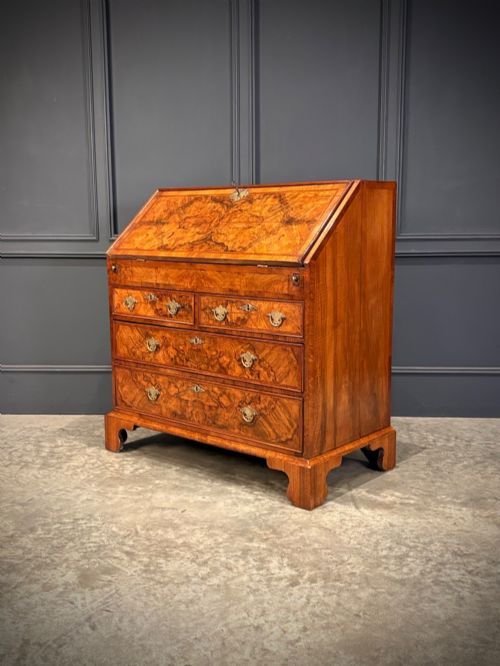
- A writing desk with a sloping lid that opens to reveal a fitted interior of pigeonholes and small drawers. Most examples in the evidence feature this characteristic form.
- Slope
- An inclined writing surface, often hinged on a portable box or forming the upper lid of a desk. It provides an ergonomic angle for handwriting.
- Marquetry
- Decorative veneer work composed of small pieces of varied wood or other materials arranged in floral or geometric patterns. Dutch pieces frequently showcase this elaborate technique.
- Escutcheon
- A protective plate surrounding a keyhole, usually fashioned from brass. These fixtures often assist in dating the furniture through their distinct period shapes.
- Pigeonhole
- A small, open compartment within the interior desk fitments used for sorting letters and documents. These mini compartments sit above small drawers behind the fall-front.
18th Century Desk Slope: Frequently Asked Questions
What is an 18th century desk slope?
An 18th century desk slope is a portable writing box or a fitted desk featuring an inclined surface designed for writing letters and storing documents.
These pieces typically open to reveal internal compartments for inkwells and paper, reflecting the writing habits of the period.
How were these writing desks used?
Owners used them for private correspondence, record keeping, and storing important papers before the widespread use of freestanding stationery cabinets.
Portable slope versions allowed travellers to carry a secure writing surface and stationery essentials on journeys.
What woods were used for these desks?
Cabinetmakers utilised a variety of native and exotic timbers depending on fashion and regional availability. Mahogany, oak, walnut, and fruitwoods appear frequently.
Finer examples incorporate decorative veneers like burr walnut or feature elaborate floral marquetry inlay across the exterior surfaces.
How do I live with an antique slope?
These pieces integrate easily into modern interiors as compact writing desks, laptop stations, or decorative accent furniture with built-in storage.
Place them away from direct heat sources and sunlight to protect the aged wood surfaces and historic finishes from drying out.