

18th Century Circular Side Table
An 18th century circular side table offers compact utility and classic proportions, anchoring a room with period character.
18th Century Circular Side Table
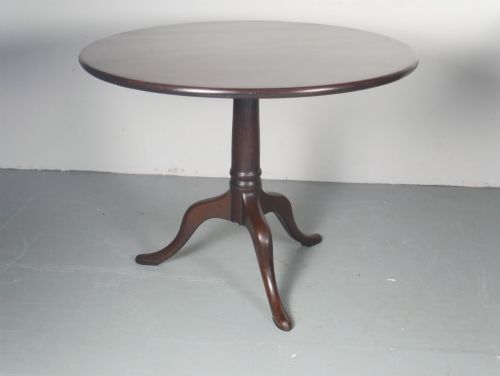
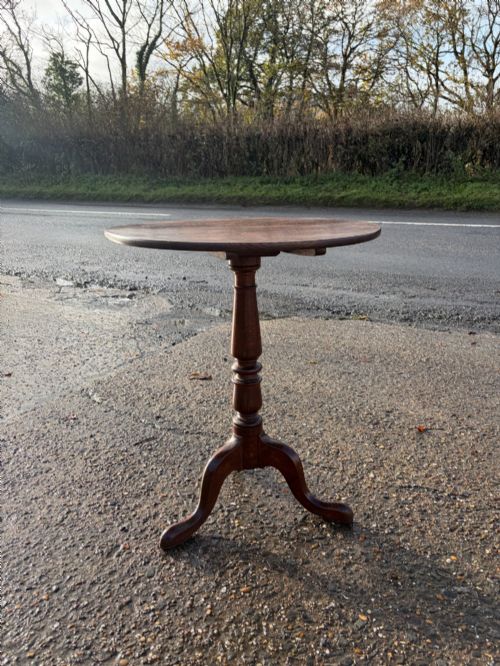
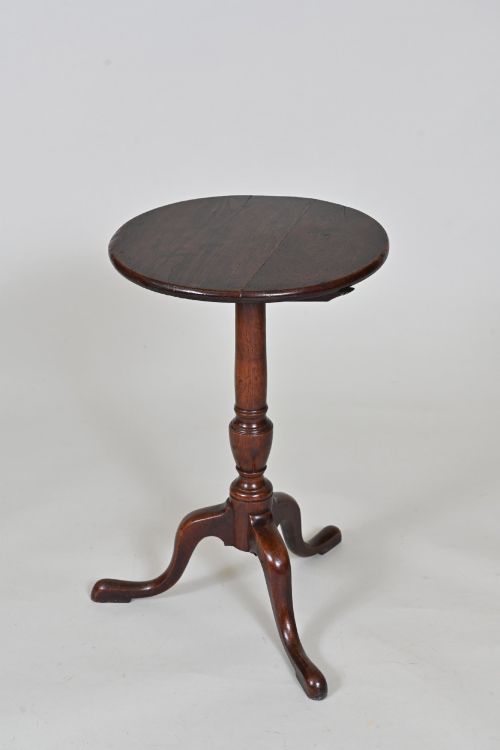
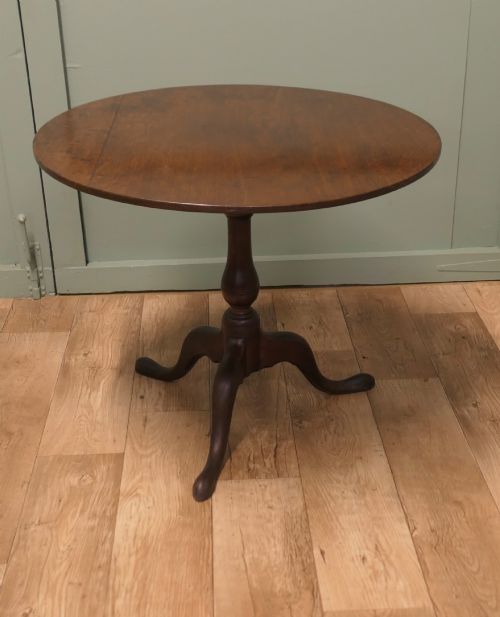
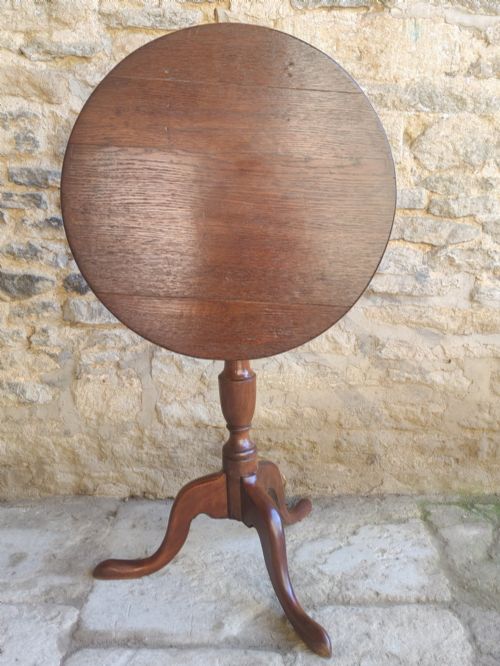
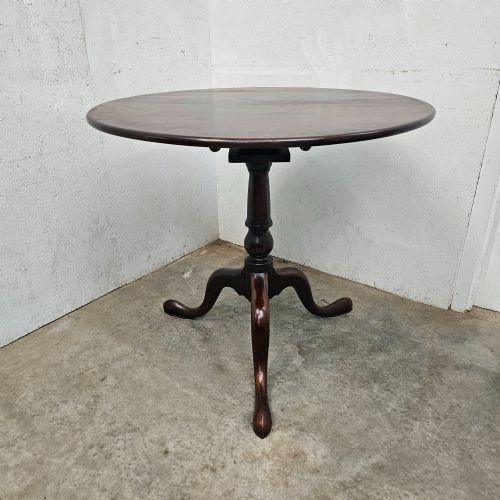
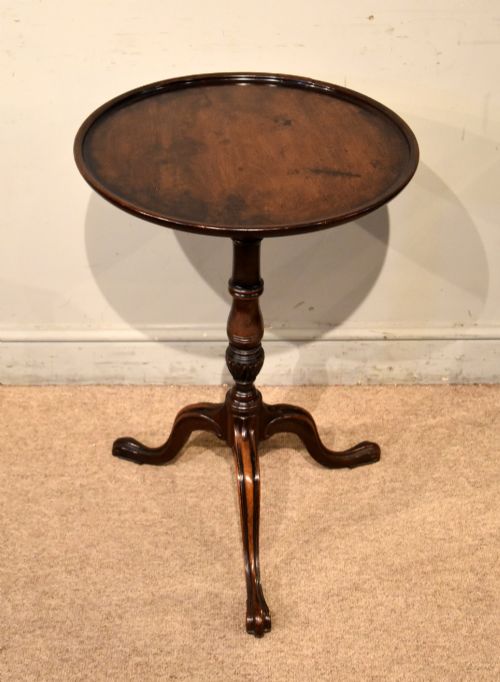
An 18th century circular side table encompasses various compact forms designed for versatile placement, most notably tripod tables, wine tables, and tilt-top lamp tables. These items emerged across the Georgian period, catering to the evolving social habits of tea drinking and entertaining.
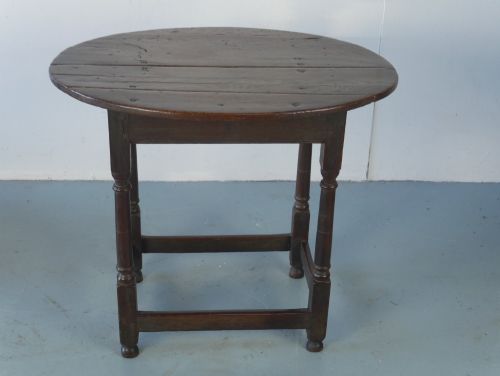
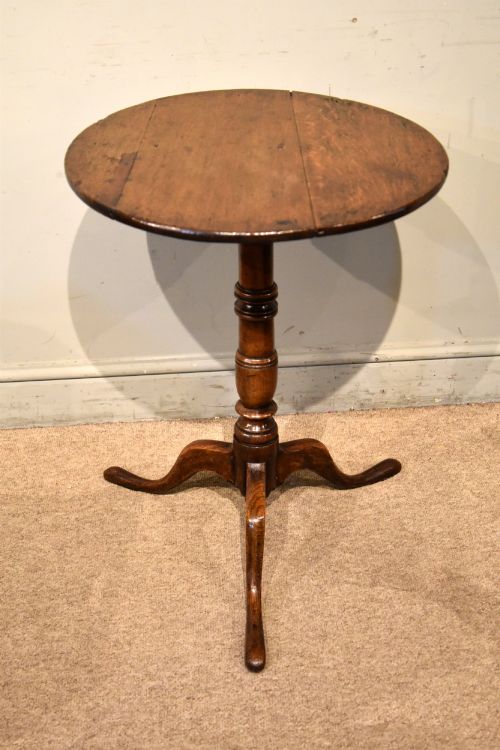
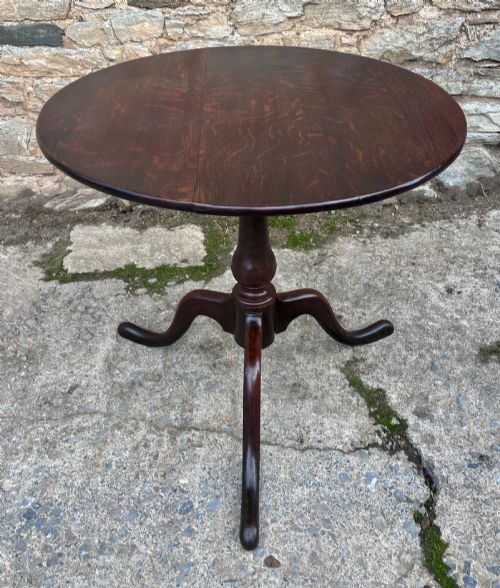
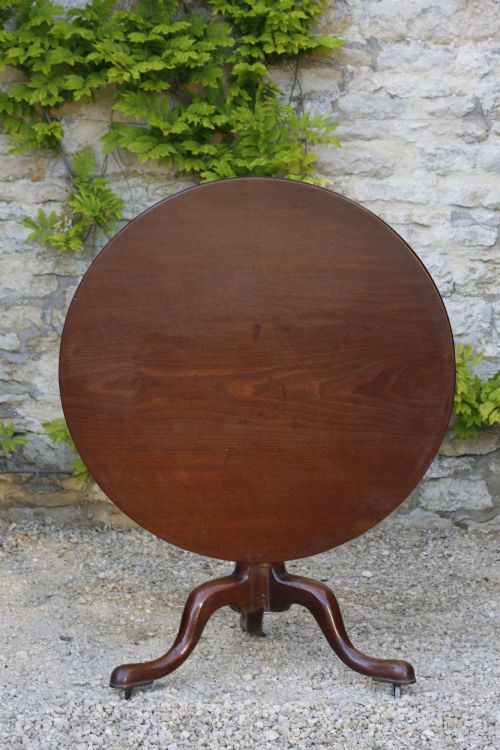
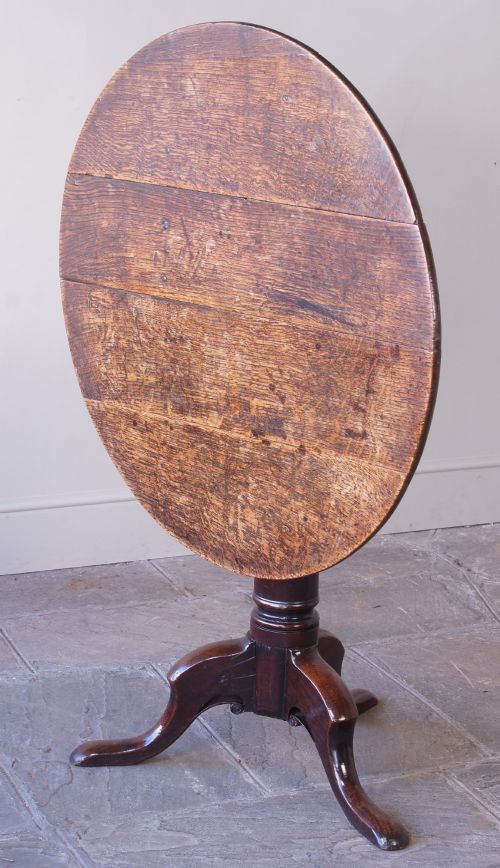
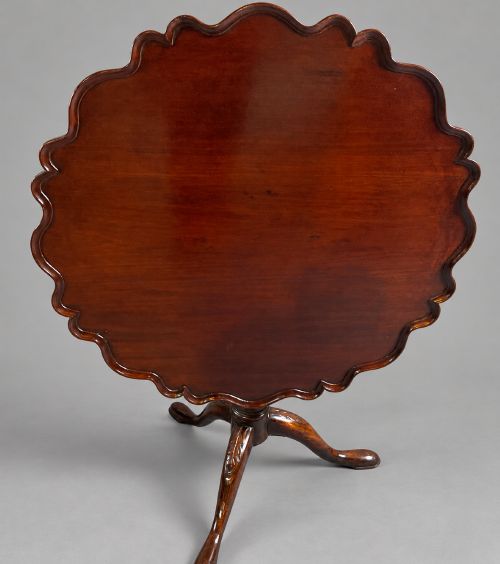
The versions most frequently met on this page are mahogany tripod tables featuring circular tops, alongside vernacular oak examples. Pieces span periods from the mid-18th century through to George III and occasionally into the early 19th century.
Makers produced these tables in both formal timbers for parlours and robust native woods for country houses. Their small scale allows them to function readily as lamp tables, occasional surfaces, or bedside stands in modern interiors.
How they were made
Cabinet makers utilised dense imported timber such as mahogany alongside domestic hardwoods like oak, elm, and yew wood. Surfaces often display figured grain, sometimes enhanced with satinwood inlay, marquetry, or painted decoration.
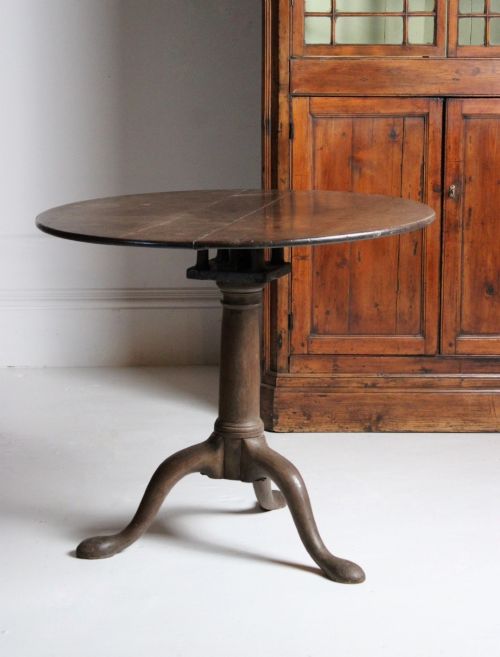
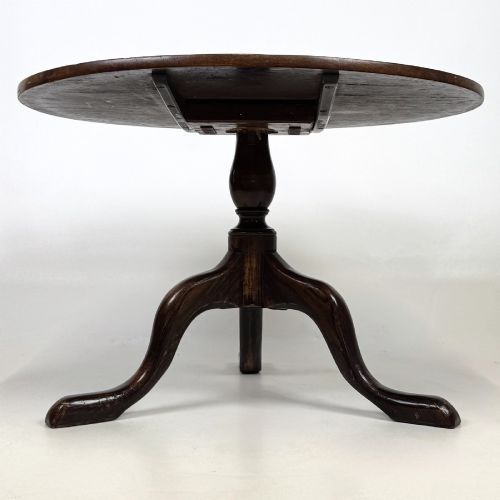
Construction techniques frequently involved a birdcage mechanism or a snap-top action allowing the circular surface to tilt vertically when not in use. Turning on the central column and shaping the tripod legs demanded precise carpentry to ensure stability.
18th Century Circular Side Table Retail Price Guide 2026
Typical asking prices for 18th century circular side table among the pieces listed under this phrase on Sellingantiques today, from the lower quarter to the upper quarter. They describe what is for sale here now, not the wider market.
Tilt-top tables were once parked flat against parlour walls like upright shields when the tea had all been drunk.
What varies in quality
The refinement of the timber selection dictates much of the distinction between pieces, with deeply figured mahogany or finely matched satinwood sitting at the upper end. Vernacular oak and elm items rely instead on sturdy construction and honest proportions rather than exotic veneers.
Execution of carved details on the tripod legs and the crispness of turning on the central column determine the overall elegance of an 18th century circular side table. Superior examples maintain balanced proportions between the top and the base without feeling heavy or clumsy.
The 18th Century Circular Side Table Glossary
- Tripod table
- A small freestanding table supported by a central pillar resting on three legs. This form became extremely popular during the Georgian era for tea and wine service.
- Tilt top
- A hinged table top that rotates to a vertical position when not in use. This mechanism saved space in smaller rooms.
- Birdcage
- A revolving wooden framework beneath the table top allowing it to rotate and tilt simultaneously. It represents a more complex piece of joinery.
- Snap top
- A spring-loaded or catch mechanism that locks a tilting table top securely in the horizontal position. It prevents the top from wobbling during use.
- Demi-lune
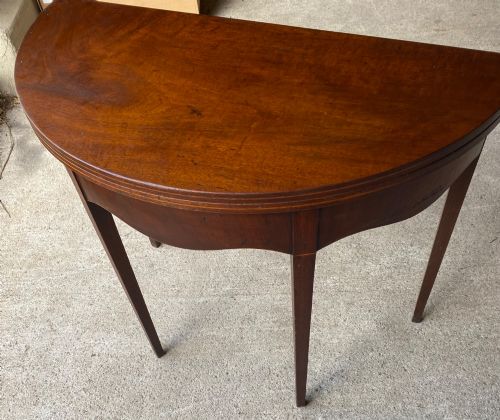
- Half-moon shaped, typically describing a console or tea table placed flat against a wall. These often feature fold-over tops or marquetry decoration.
18th Century Circular Side Table: Frequently Asked Questions
What were 18th century circular side tables used for?
These tables served multiple domestic purposes, primarily holding tea service equipment, wine decanters, or lighting such as oil lamps and candles. Their portability allowed servants to move them around the room as social gatherings required.
Today, buyers utilise them in similar ways as bedside tables, lamp stands, or decorative accents in sitting rooms where space is at a premium.
What is a birdcage mechanism?
The birdcage is a small wooden cage structure fitted between the table top and the pedestal base. It permits the top to rotate horizontally in a full circle in addition to tilting.
This feature is generally found on higher quality mahogany examples from the Georgian period.
Are these tables suitable for modern homes?
Their compact dimensions and lightweight construction make them exceptionally adaptable for contemporary living spaces. A tripod base occupies minimal floor area while providing a stable surface.
Placing one beside a sofa or in a hallway introduces period warmth without crowding the room.