

18th Century British Wall Art
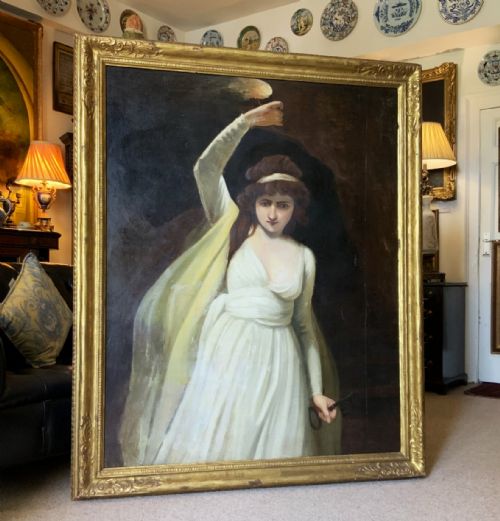
When you examine 18th century british wall art, you encounter centuries of portraiture and landscape that anchor a room with historic presence.
18th Century British Wall Art
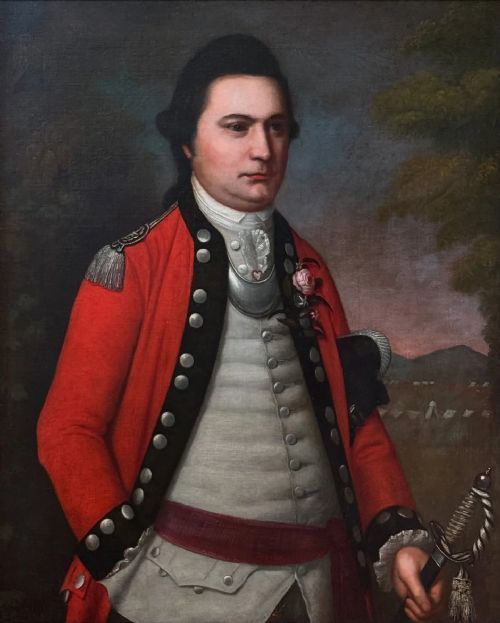
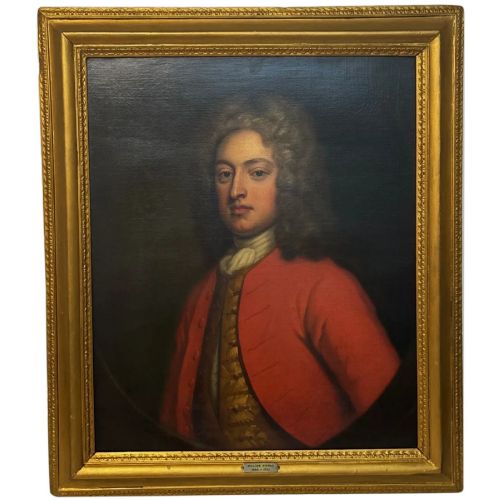
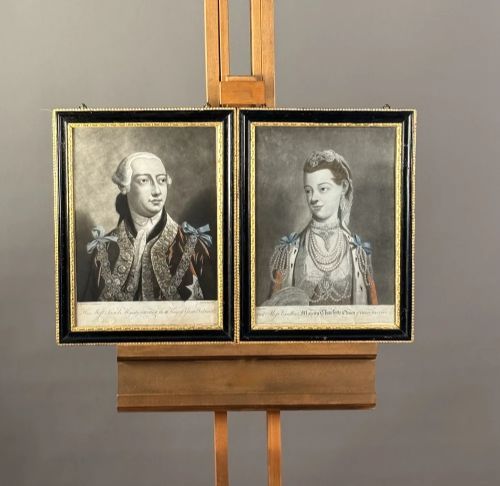
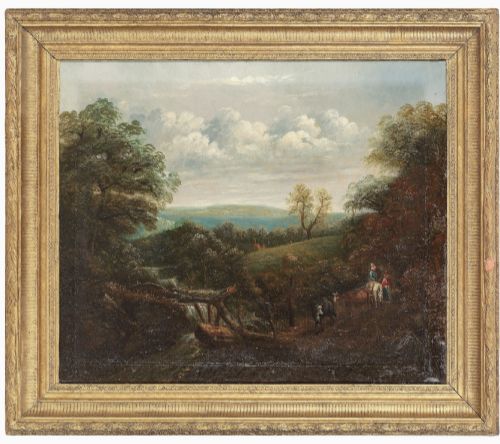
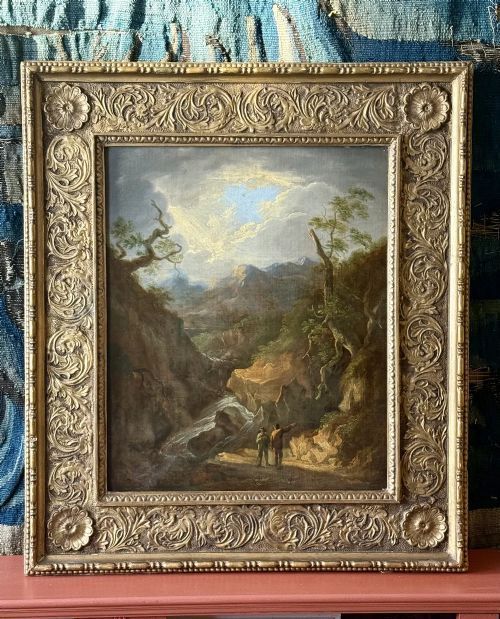
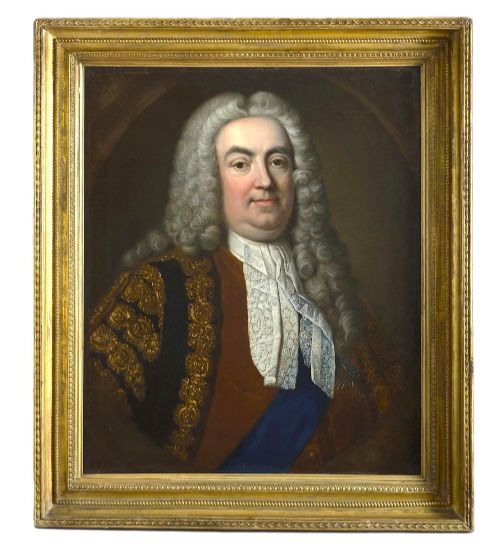
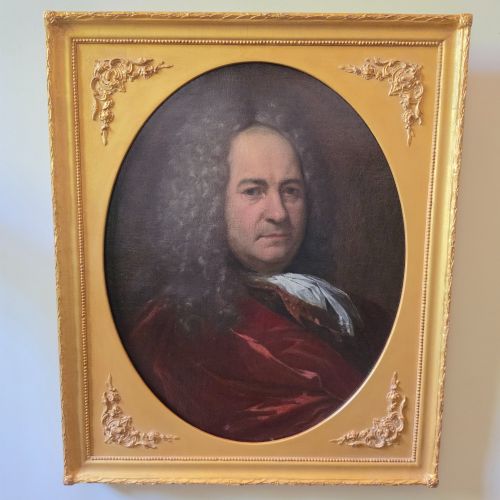
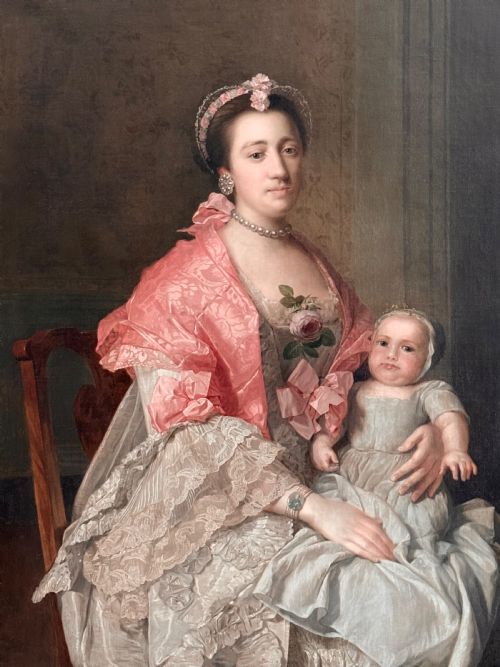
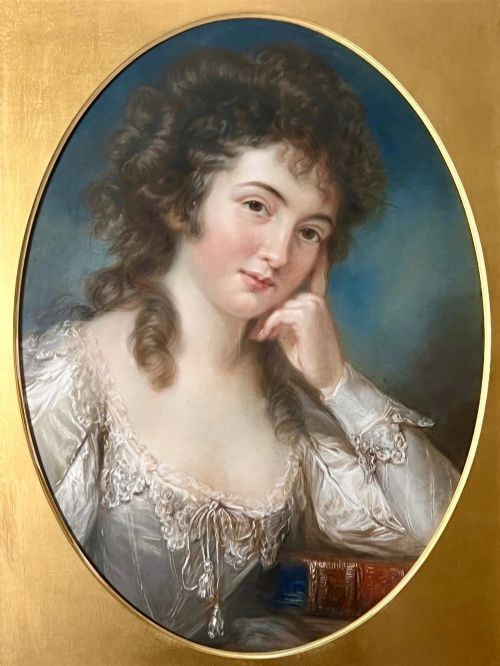
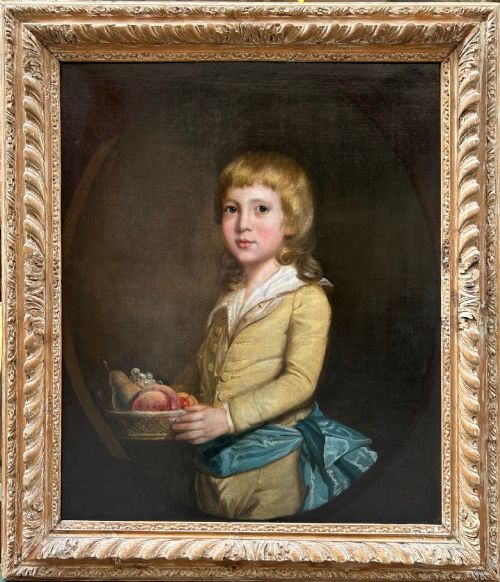
When searching for 18th century british wall art, buyers primarily encounter oil paintings on canvas alongside framed prints, engravings, and portrait miniatures. The selection spans formal aristocratic portraits, Georgian folk art, and topographical scenes that reflect the visual culture of the period.
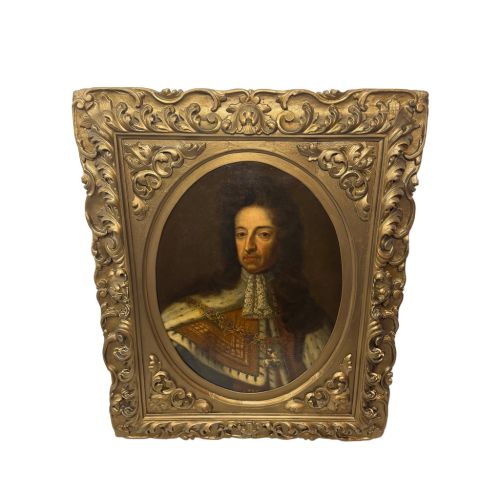
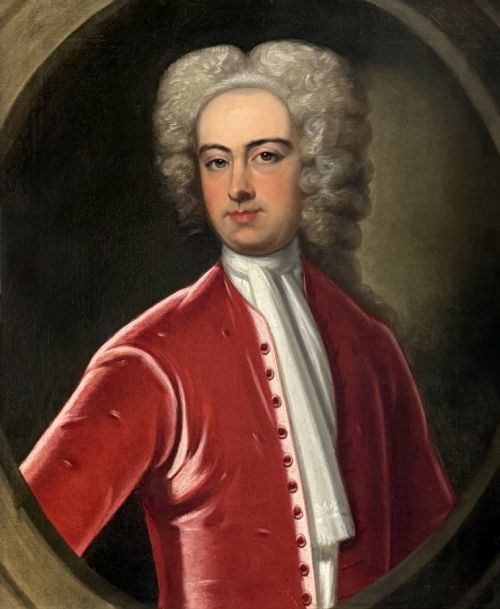
Most pieces date from the Georgian era, capturing officers, gentlefolk, and royal figures in oils or delicate mezzotints. These works were originally commissioned for country houses and town residences, bringing centuries of narrative depth to modern interiors.
How They Were Made
Painters applied oil paint to stretched canvas or wooden panels, often building rich layers of pigment to render fabrics, flesh tones, and heraldic details. Printmakers utilised copper plates to produce detailed engravings and mezzotints on paper.
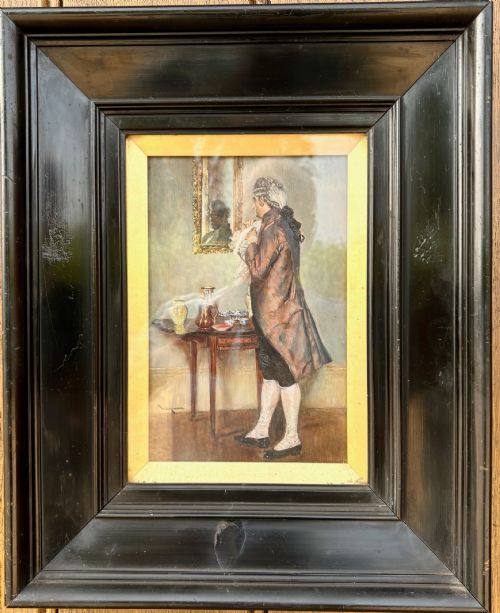
Surviving works are typically housed in their original or period frames fashioned from carved giltwood, wood, or ebonised materials. These frames protect the delicate surfaces of canvas and paper while defining the visual boundary of the artwork.
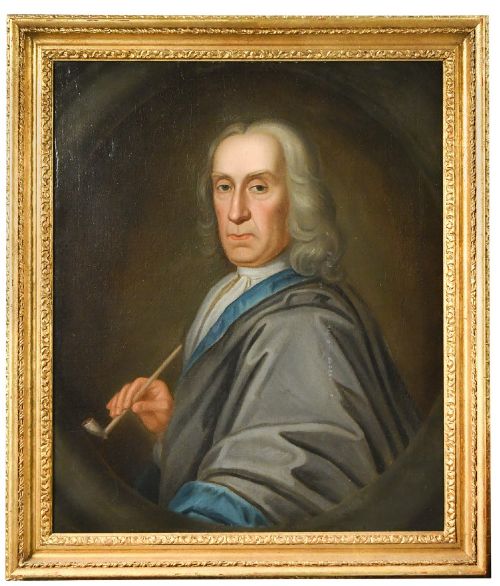
Several gentlemen are immortalised holding their favourite pipes, walking sticks, or loyal spaniels.
What Varies in Quality
The distinction between standard works and exceptional pieces lies in the anatomical precision of the brushwork and the psychological depth captured in portraits. Master hands render textiles, hands, and facial expressions with fluid confidence, whereas lesser studio pieces or naive works rely on stiffer execution.
Preservation of the original canvas, stability of the oil paint layer, and the survival of period giltwood framing significantly influence the integrity of a piece. Works retaining their untouched historic surface command greater admiration from collectors.
Sir William Beechey·Stickland Lowry·Benjamin Barker of Bath·Jean Baptiste Van Loo·Sir Allan Ramsay·John Russell·Charles Jervas·John Opie·Thomas Beach·Jeremiah Davison·Thomas Hudson·Luke Sullivan·Joshua Reynolds·Thomas Gainsborough·Thomas Murray·Enoch Seeman·Richard Cosway·Marcellus Laroon·Hans Hysing
The 18th Century British Wall Art Glossary
- Mezzotint
- A printmaking process where the copper plate is roughened to achieve rich tonal gradations and dark backgrounds. This technique allowed printmakers to replicate painted portraits with remarkable subtlety.
- Giltwood
- Wood carved and coated with a thin layer of gold leaf. It provided opulent framing for formal paintings throughout the Georgian period.
- Portrait Miniature
- A small, highly detailed painting on panel, vellum, or copper meant for intimate viewing. These portable works captured likenesses with microscopic precision.
- Engraving
- A print produced by cutting lines directly into a metal plate with a sharp tool. The resulting inked lines created crisp, durable images on paper.
- Georgian
- The period spanning the reigns of the four Georges, characterised by distinct developments in classical architecture, fine art, and interior decoration.
18th Century British Wall Art: Frequently Asked Questions
How do I identify a Georgian portrait?
Georgian portraits typically feature sitters in contemporary costume of the 18th century, ranging from velvet coats and lace cravats to silk gowns. Look for handling of oil paint on canvas that matches the portrait conventions of painters working during that century.
Many works include painted ovals or square formats with subdued earth tones and naturalistic lighting. Checking for period stretchers and historic framing materials further helps confirm the era.
What is the difference between an oil painting and a mezzotint?
An oil painting is a unique artwork created by applying pigmented oils directly onto a canvas or panel by the artist's hand. Brush texture and visible layering distinguish these direct creations from printed material.
A mezzotint is a print created from an engraved metal plate, allowing multiple impressions to be pulled from a single master plate. These works on paper reproduce famous painted portraits for wider circulation.
Where should I hang an 18th century painting?
These works suit traditional reception rooms, studies, and hallways where stable environmental conditions prevail. Avoid placing canvases in direct sunlight or near active heat sources to protect the historic oil paint and canvas.
Pairing a historic portrait with traditional wood panelling or neutral walls allows the aged giltwood frame and deep pigments to stand out. Secure hanging hardware suited to the weight of heavy wooden frames is essential.