


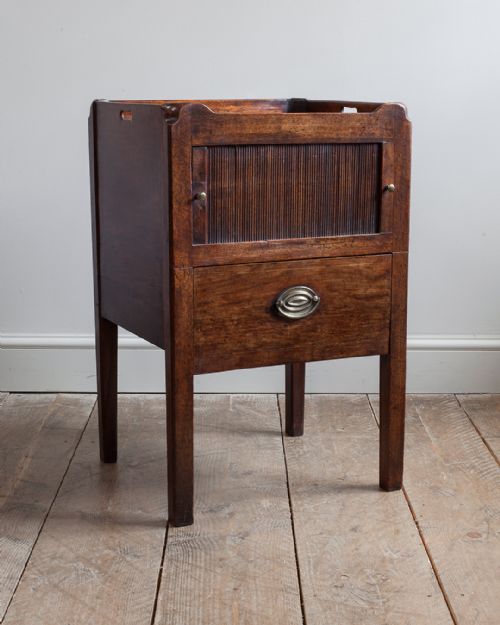

18th Century Bedside
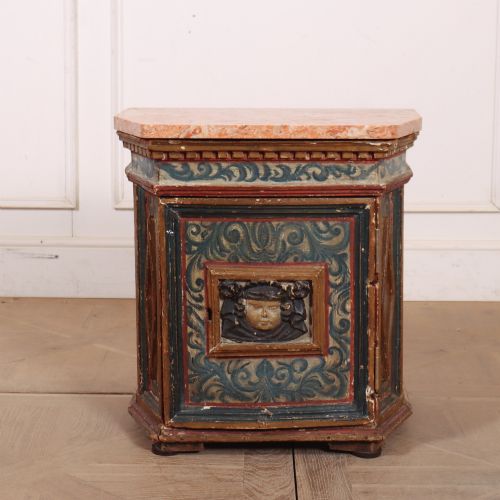
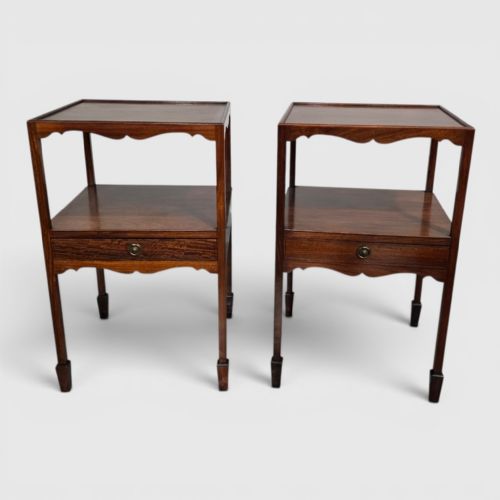
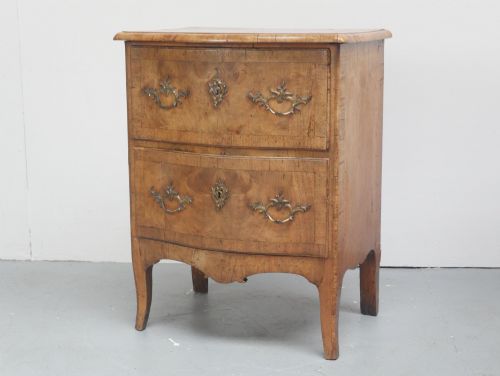
These pieces of 18th century bedside furniture offer practical small-scale storage crafted during the Georgian era, prized for integrating classical proportions beside a bed.
18th Century Bedside
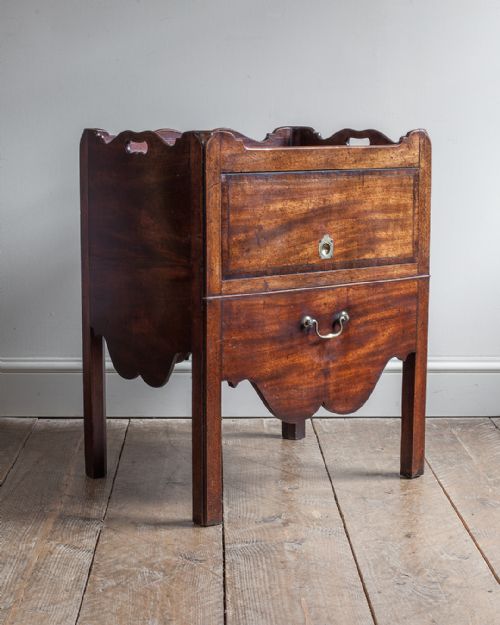
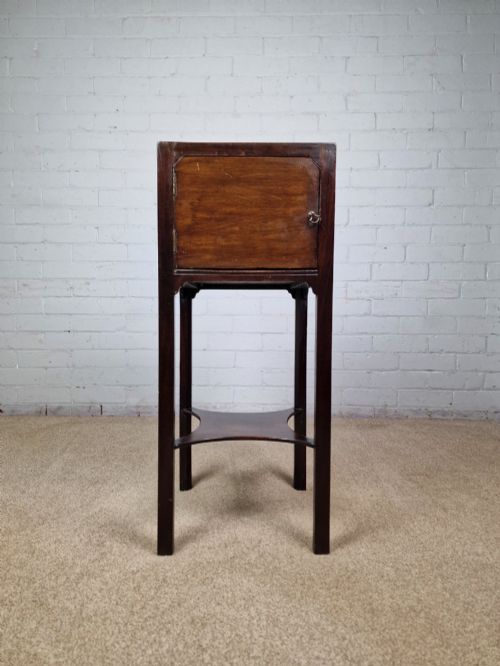
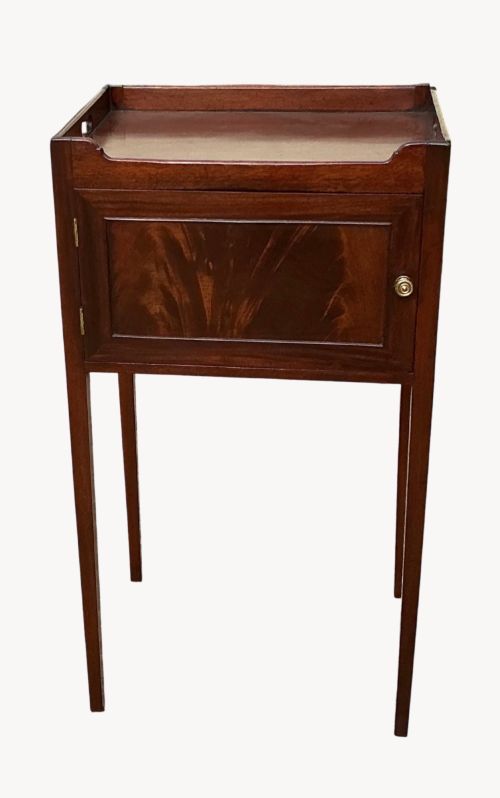
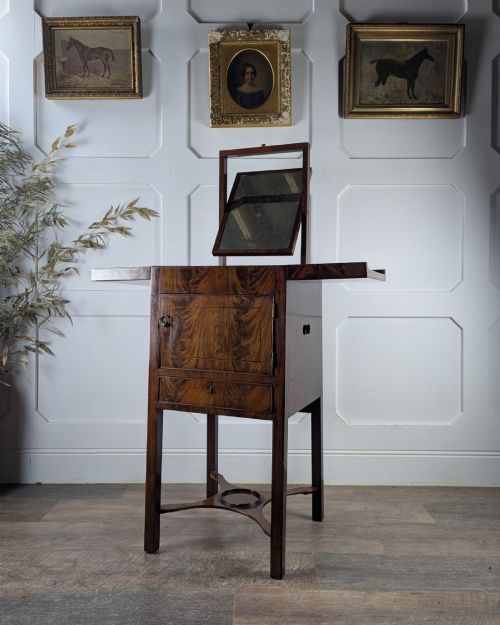
When you search for 18th century bedside pieces, you encounter compact cabinets, cupboards, commodes, and small tables designed to sit beside a sleeping berth. The most common format meeting this description is the mahogany bedside cupboard or commode dating from the Georgian period.
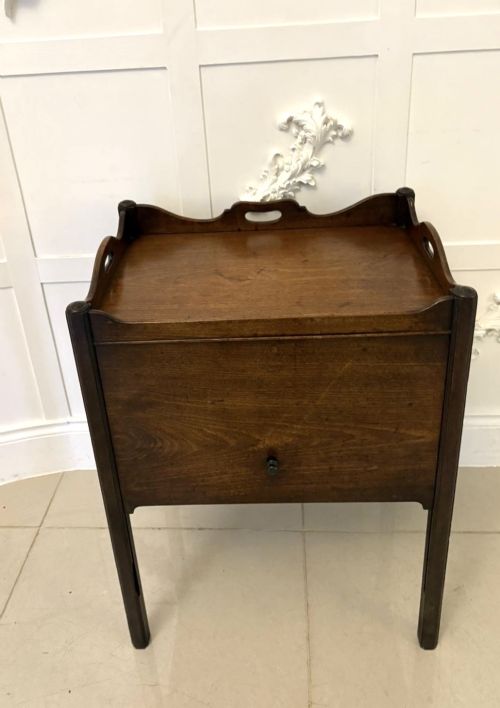
These items evolved to conceal chamber pots or hold personal items out of sight, utilising enclosed doors, pull-out slides, or tambour fronts. Variants include tray top surfaces designed to prevent items rolling off, alongside corner cupboards built to utilise tight bedroom angles.
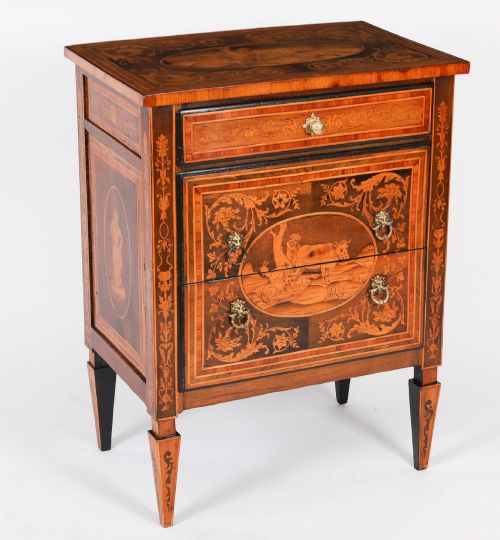
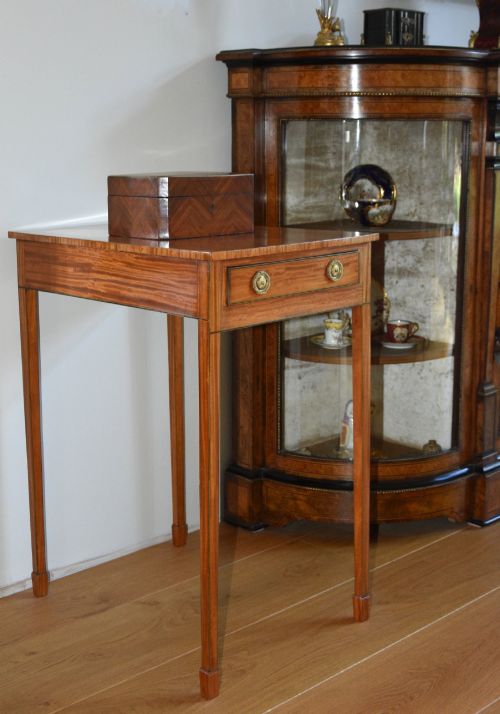
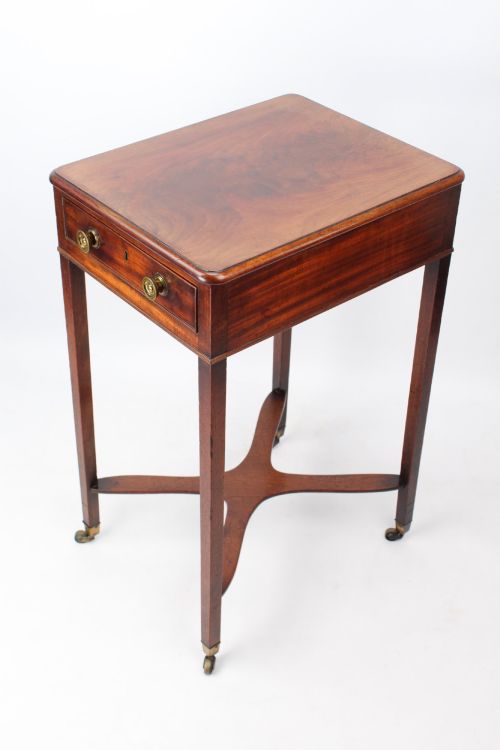
Beyond standard cupboards, the selection encompasses oak and walnut tables, washstands, and occasional small chests of drawers from the same era. While the majority originate from English workshops, continental examples in painted finishes or marquetry also appear.
Materials and Construction Techniques
Makers relied heavily on solid timber and veneers of mahogany, complemented by structural timbers such as oak and pine. Selected pieces incorporate decorative highlights including satinwood, walnut, boxwood, and ebony stringing or marquetry.
Joinery methods of the period prioritised stability in small frames, utilising dovetailed drawer construction and pegged joints. Surfaces frequently feature moulded tray tops, brass carrying handles, or tambour shutters running in grooved tracks.
Listings feature woods such as mahogany, oak, walnut, satinwood, and pine across Georgian and Victorian periods.
Determinants of Quality
Quality rests primarily in the selection of timber figures, such as flame mahogany or burr walnut, matched across visible surfaces. Superior examples display crisp hand-cut mouldings, original brass hardware, and fine dovetailing inside the drawers.
Structural integrity and the retention of original mechanisms, such as sliding trays or tambour doors, elevate an item's standing. Pieces maintaining honest patination and minimal timber replacement outrank heavily restored equivalents.
The 18th Century Bedside Glossary
- Commode
- A low cabinet or chest with doors or drawers, often built to house a chamber pot in period bedrooms. These items frequently feature enclosed lower storage beneath a tray top.
- Tambour
- A flexible shutter made of narrow vertical strips of wood glued to canvas, allowing a sliding door to curve around corners. This mechanism appears on select late period bedside cabinets.
- Tray top
- A raised moulded rim around the perimeter of a table or cabinet top designed to keep water jugs or lamps secure. It represents a distinctive feature of high-grade Georgian bedside furniture.
- Close stool
- A piece of furniture resembling a small chest or cabinet enclosing a commode seat and pan. They were disguised as domestic tables before the widespread adoption of modern plumbing.
- Marquetry
- Decorative veneer work formed by fitting pieces of various coloured woods into a pre-cut ground to create pictorial or geometric patterns. It is typical of continental European case pieces.
18th Century Bedside: Frequently Asked Questions
How were 18th century bedside cabinets used?
These small cupboards served primarily to conceal chamber pots and store nighttime essentials before indoor plumbing existed. Their enclosed compartments kept odours contained and private items out of view.
Over time, their function shifted toward holding candlesticks, pocket watches, and reading material. Today, they serve the same bedside purpose while displaying period craftsmanship.
How do I tell an original 18th century piece apart?
Authentic period pieces display period construction methods, including hand-cut dovetails, timber shrinkage patterns, and old secondary woods like oak or pine inside. Examining the backboards and drawer interiors reveals the age of the timber and tools used.
Styles such as Chippendale or Sheraton provide stylistic clues, though secondary alterations or marriage of parts require careful inspection of the joints.
Can I use a vintage bedside in a modern bedroom?
These compact pieces fit easily beside contemporary beds due to their small footprints and modest height. Their neutral wood tones pair well with modern interiors while adding textural contrast.
Enclosed cupboards provide useful hidden storage for modern electronics, chargers, and books. Their durable hardwood construction ensures they withstand daily domestic use.