
18th Century Artwork Frame
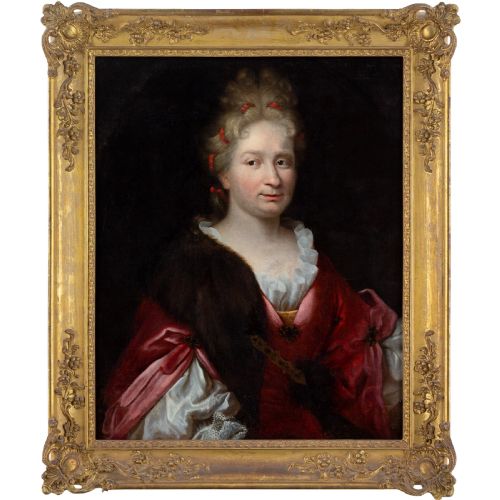
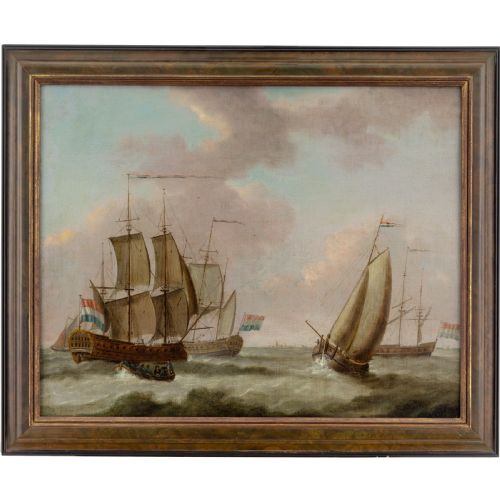
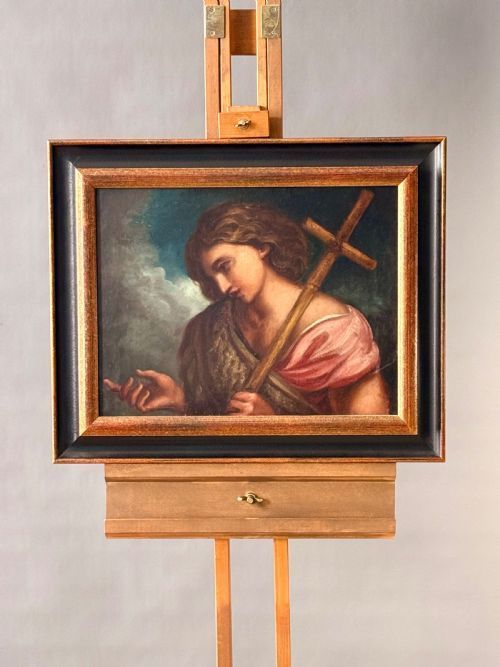
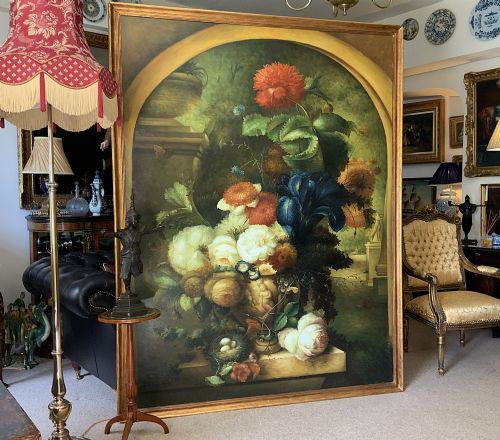
An 18th century artwork frame encloses period paintings, prints, and drawings to anchor historical portraiture and classical scenes on the wall.
18th Century Artwork Frame
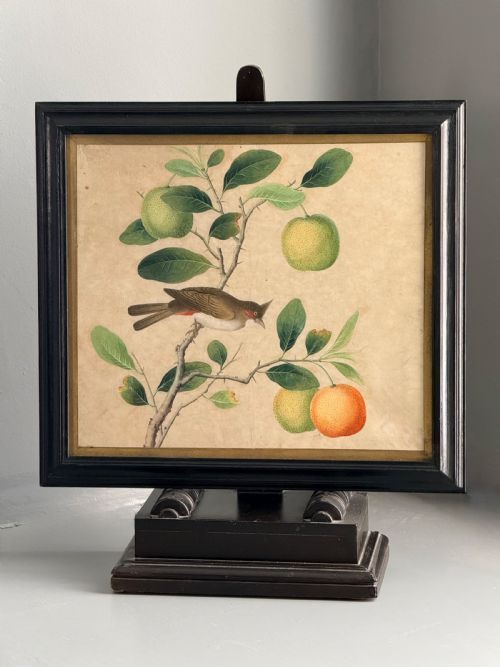
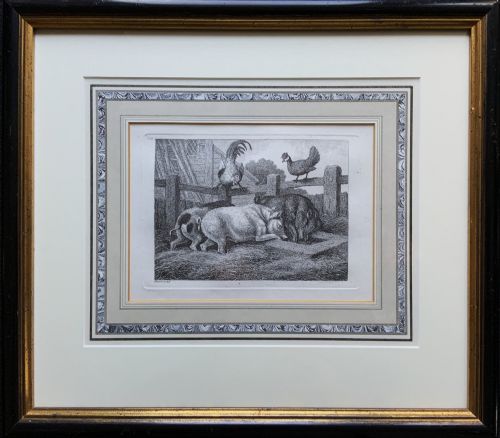
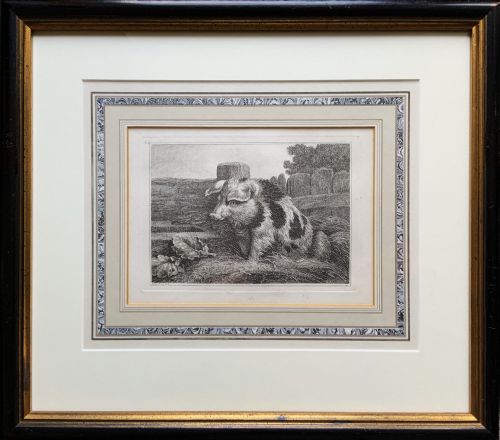
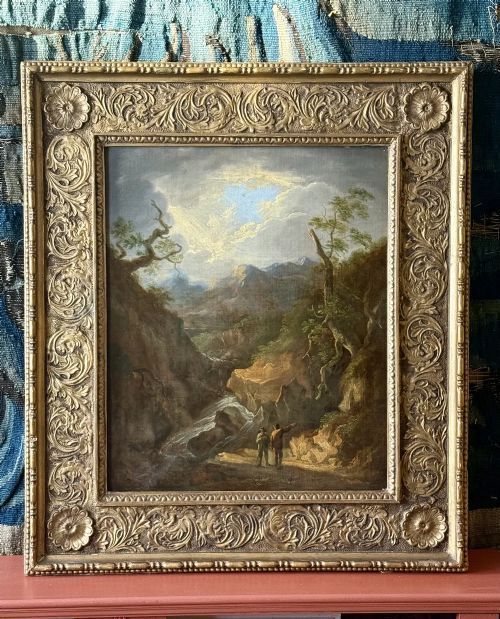
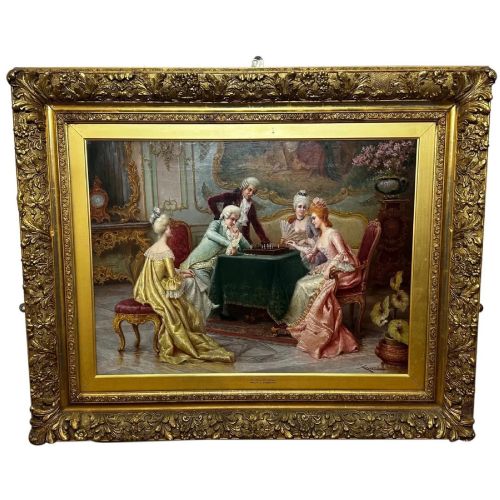
When searching for an 18th century artwork frame, buyers encounter historical frames housing oil paintings, pastels, gouache on pith paper, engravings, and mezzotints. These pieces originate predominantly from British, continental European, and Chinese export studios working within Georgian, Baroque, French Rococo, and Neoclassical frameworks.
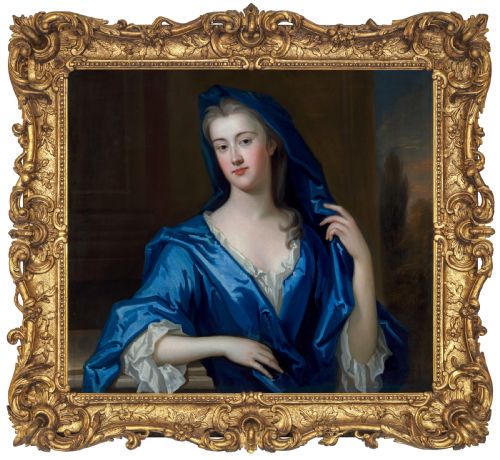
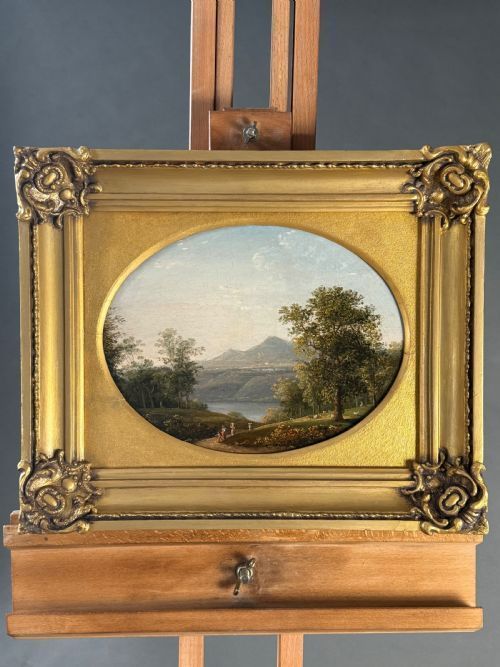
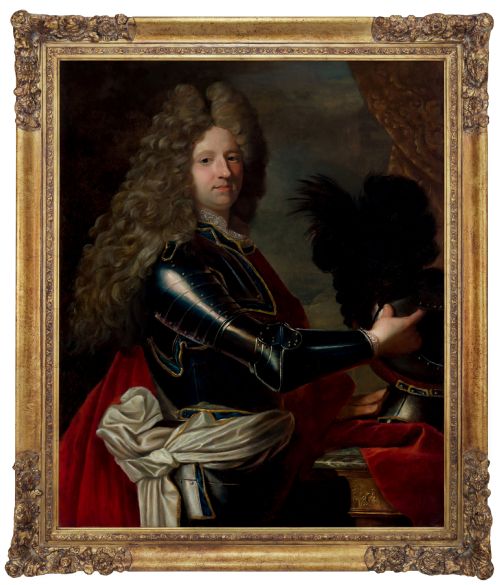
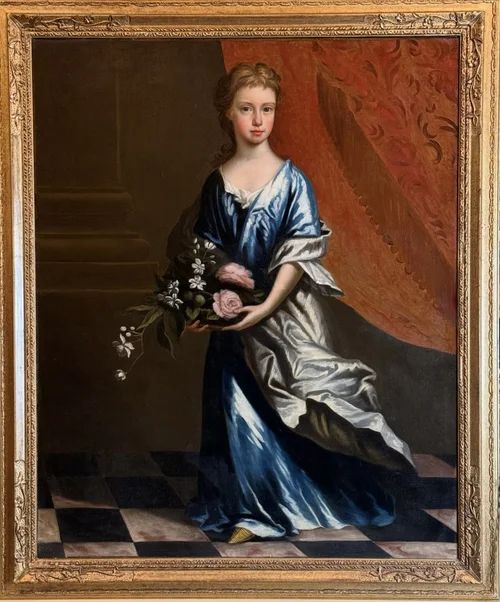
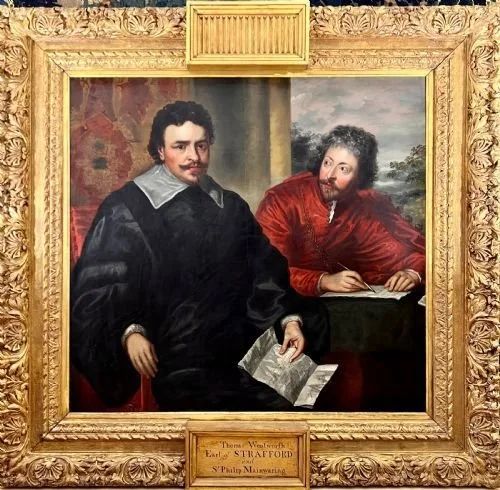
The objects displayed within these enclosures include formal portraits of nobility, classical mythological scenes, genre paintings, and anatomical studies. Many listings feature works from the 18th century proper alongside later 19th-century interpretations and copies executed in historic styles.
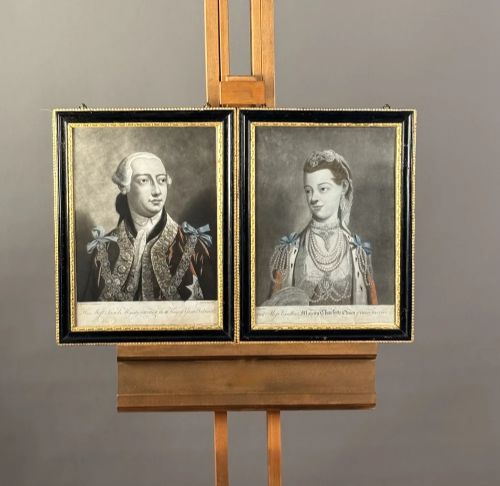
Buyers are most likely to meet framed portrait engravings and mezzotints after prominent painters such as Sir Joshua Reynolds, as well as original oil on canvas works and pastels depicting identifiable historical figures.
Materials and Construction Techniques
The physical objects combine timber structures with applied gold leaf, gesso, and glass to protect delicate works on paper, silk, and canvas. Wood and giltwood provide the foundational structure and decorative surface for the housing of fine art.
Artworks within these items utilise oil paint, watercolour, ink, and pastel applied to paper, canvas, glass, and woven silk. Techniques such as reverse glass painting and mezzotint engraving demonstrate the specialised printmaking and painting methods utilised during the Georgian period.
Materials span oil on canvas, paper, silk, glass, and gold leaf, housing subjects from classical mythology to anatomical studies.
Distinctions in Quality and Execution
The standard of execution separates workshop student copies from master works by named painters and engravers. Finely detailed brushwork in oil portraits, crisp plate impressions in mezzotints, and the depth of gilding on the surrounding frame dictate the tier of the piece.
The preservation of fragile media - such as gouache on pith paper, woven silk, and pastel - influences the integrity of the surviving object. Superior examples maintain the original relationship between the artwork and its period housing without intrusive modern restorations.
Sir Joshua Reynolds·John Simon·Michael Dahl·Edward Fisher·John Smith·George Willison·John Opie·James Watson·Jeremiah Davison·Katsukawa Shunsho·Charles Spooner·Benedetto Luti·John Russell·James Heath·Thomas Watson
The 18th Century Artwork Frame Glossary
- Mezzotint
- A printmaking process of the intaglio family where the plate is roughened uniformly to allow tonal gradation in dark areas. This technique was widely utilised in the period for translating oil paintings into popular portrait prints.
- Giltwood
- Timber coated with gold leaf over a prepared gesso ground. This material forms the decorative border of traditional picture frames.
- Pastel
- A dry medium composed of powdered pigment and a binder, worked directly onto paper. It produces a velvety surface texture frequently seen in 18th-century portraiture.
- Gouache
- An opaque water-based paint medium consisting of pigment, water, and a binding agent such as gum arabic. It yields flat, saturated colours on paper supports.
- Reverse Glass Painting
- An artistic technique where the image is painted directly onto the back of a glass panel and viewed from the front. This method creates a glossy, reflective surface finish.
18th Century Artwork Frame: Frequently Asked Questions
What periods do these pieces span?
The items encompass 18th-century originals alongside 19th-century works created in historical idioms. Stylistic influences include Georgian, Baroque, Rococo, and Neoclassical movements.
Makers and subjects frequently date from the 1700s, reflecting the aesthetics of the reigns spanning that era.
How should I hang an 18th century artwork frame?
Display these pieces away from direct sunlight and fluctuating humidity to protect vulnerable organic materials like paper, silk, and pastel. Ensure the wall structure securely supports the combined weight of the timber frame and glass.
Position the centre of the work at eye level for optimal viewing of fine detail and portraiture.
How do I identify a mezzotint engraving?
Examine the surface under magnification to look for the characteristic velvety tonal areas achieved by roughening the copper printing plate. These prints often feature named sitters alongside the attribution to the publisher and engraver.
They are commonly preserved behind glass within period frames.
What is Chinese Export art in this context?
Chinese Export pieces represent items produced in China specifically for Western markets during the period. They combine traditional Asian materials, such as pith paper, with European artistic subjects and formats.
These works illustrate cross-cultural exchange in fine art production.