




18th Century Art Painting
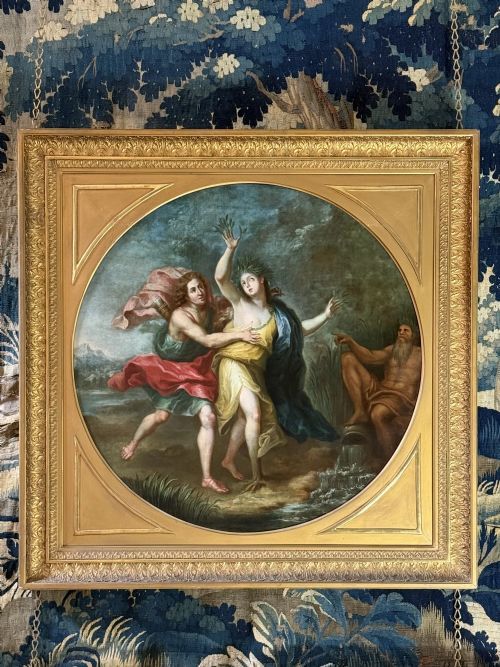
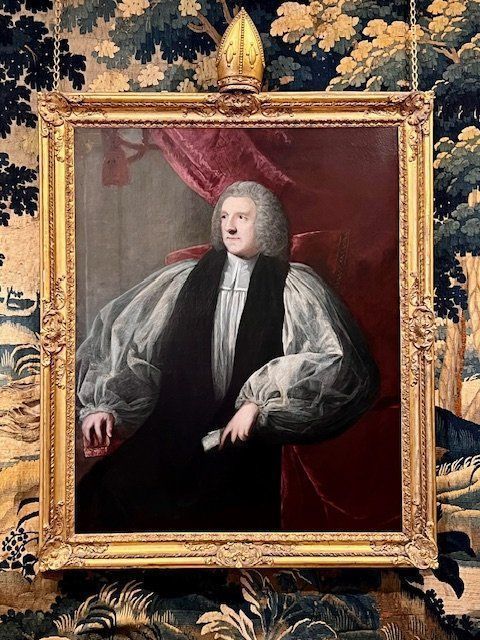
Selecting an 18th century art painting brings centuries of portraiture, classical mythology, and religious subjects directly into a modern room.
18th Century Art Painting
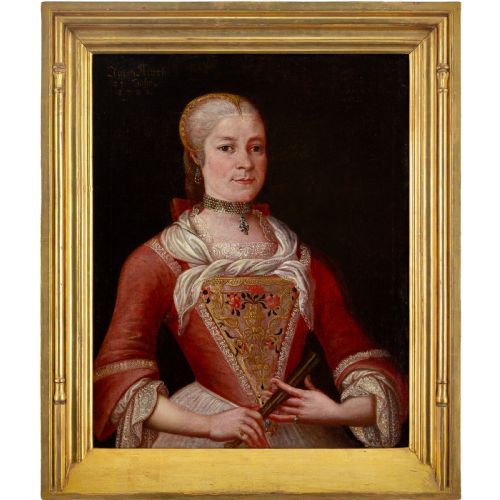
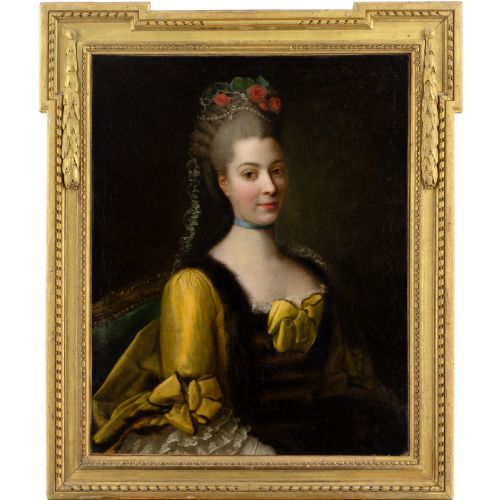
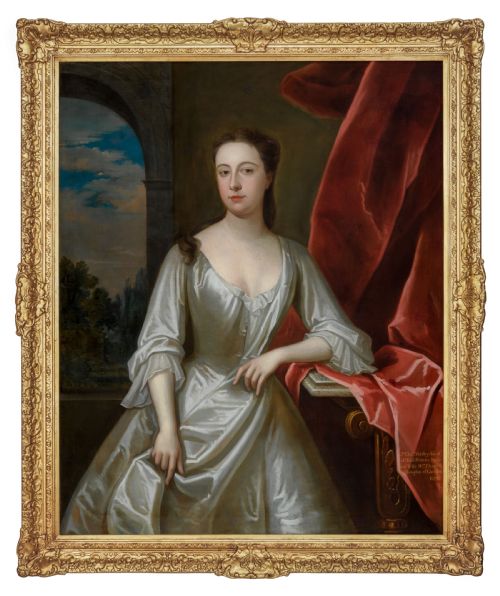
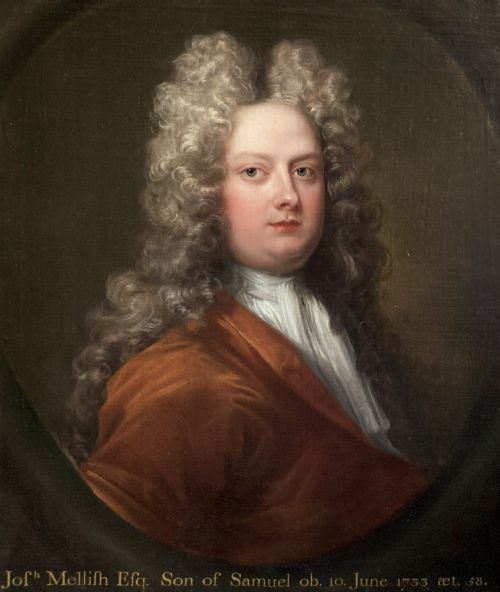
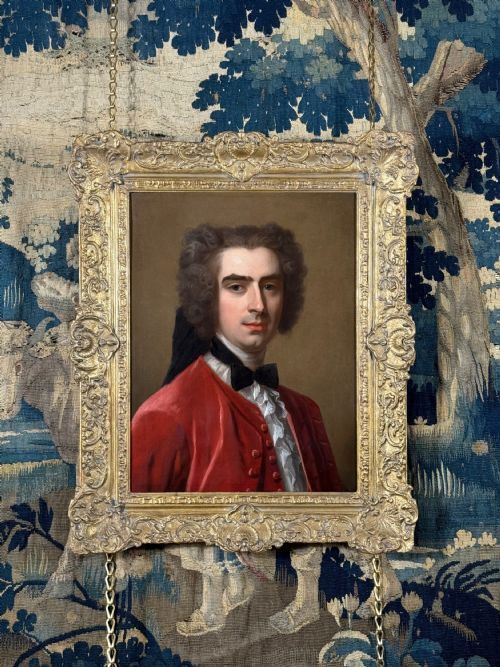
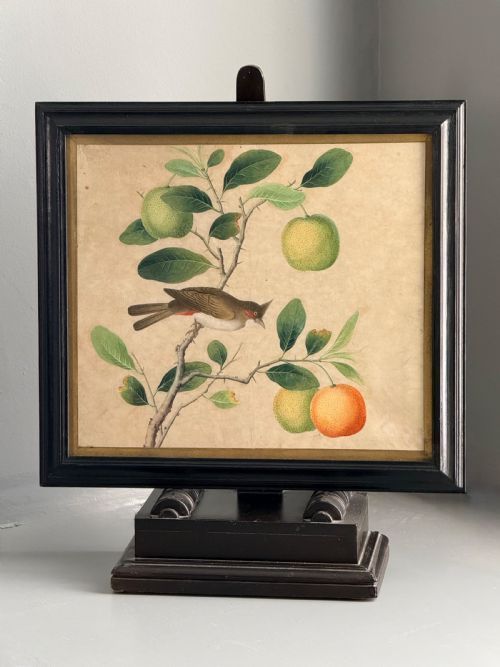
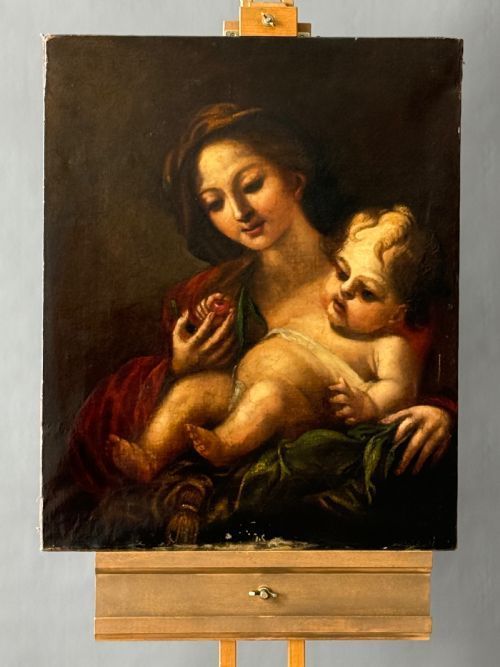
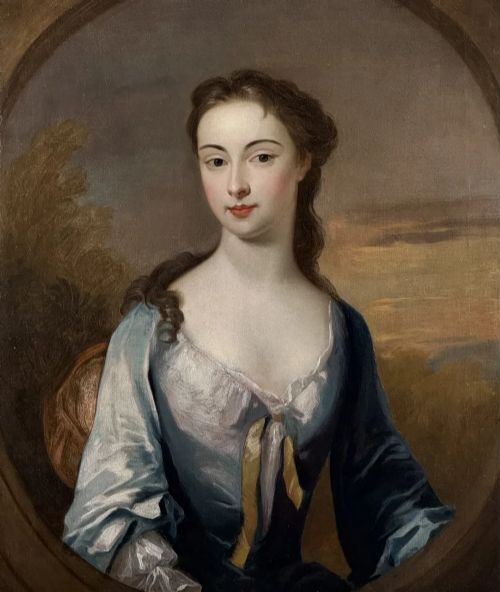
An 18th century art painting encompasses oil on canvas works, portrait miniatures, reverse glass mezzotints, and gouache on pith paper. Buyers exploring this category encounter formal sitters, classical deities, and devotional scenes.
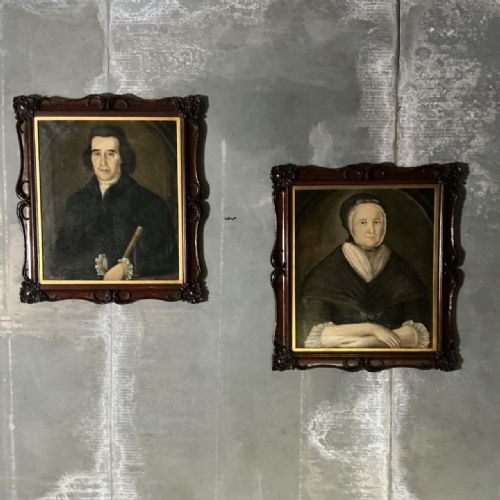
The selections span grand aristocratic portraiture down to regional depictions of country girls, officers, and merchants. Many examples reflect the prevailing aesthetic currents of Georgian, Rococo, and Baroque styles.
Beyond standard oils, the evidence records works executed in pastel, enamel, and watercolour on paper. Some pieces represent direct interpretations or copies after masters such as Raphael, Leonardo Da Vinci, and Francois Boucher.
Materials and construction
Pigments were suspended in oil and applied to stretched canvas panels, or layered carefully onto wooden supports and paper. Painters worked with ground minerals and organic colourants, building deep glazes that preserved luminosity over generations.
Framing often involved carved and gilded wood, known as giltwood, using thin sheets of gold leaf applied to prepared mouldings. Alternative techniques included reverse painting and mezzotint printing on glass surfaces.
Miniaturists utilised specialised enamel or ivory grounds contained within protective housings, while gouache works employed opaque watercolours on delicate pith paper substrates.
Listings feature works spanning the 17th century through the 20th century, executed in oil, pastel, gouache, and enamel on canvas, wood, glass, and paper.
What separates the finest examples
Skill in draftsmanship and handling of anatomy determines the success of a portrait or figurative composition. Superior hands capture subtle shifts in light across fabric folds, flesh tones, and facial expressions with confidence.
The integrity of the original surface, including the stability of the paint layer and the preservation of early canvas tensions, influences the visual impact. Works that retain their original giltwood frames or contemporary mountings offer greater historical completeness.
Sir Godfrey Kneller·Charles Jervas·Sir Joshua Reynolds·Jean-Baptiste Van Loo·James Sharples·John Opie·Jeremiah Davison·Michael Dahl·Thomas Murray·Lemuel Francis Abbott·Stickland Lowry·Charles Spooner·Hendrik Willem Schweickhardt·Charles Shirreff·Benedetto Luti·John Wootton·Thomas Hudson·Martin Archer Shee·David Martin·Francis Sartorius·Johan Horner
The 18th Century Art Painting Glossary
- Mezzotint
- A printmaking process where the copper plate is roughened to achieve rich tonal gradations. In reverse glass examples, the printed image is transferred and hand-coloured behind glass.
- Giltwood
- Timber decorated with thin gold leaf applied over a prepared gesso ground. These frames frequently display intricate carved ornamentation characteristic of the period.
- Enamel portrait
- A miniature painting fused onto a metal base under high heat. This technique ensured the colours remained permanent and impervious to fading.
- Gouache
- An opaque water-based medium utilising ground pigments mixed with a binding agent. It provides flat, saturated areas of colour distinct from translucent watercolour washes.
18th Century Art Painting: Frequently Asked Questions
How do I identify an original 18th century painting?
Examine the canvas weave, stretcher construction, and pigment composition under magnification to check for age-related craquelure and period-appropriate materials.
Compare the stylistic conventions of brushwork, costume, and hair styling with documented examples from the same decade.
What subjects are most common in these paintings?
Portraiture dominates the category, depicting nobility, military officers, merchants, and children alongside domestic companions.
Religious compositions, mythological scenes involving classical deities, and landscapes with livestock also appear frequently.
How should I care for an old oil painting?
Keep the artwork away from direct sunlight, heating vents, and damp environments to prevent canvas warping and pigment degradation.
Avoid using commercial cleaning agents on the painted surface and consult a professional conservator for any dust removal or restoration.
What is a portrait miniature?
Portrait miniatures are small-scale paintings executed on ivory, vellum, or enamel, often designed to be worn or carried as personal tokens.
Artists achieved remarkable detail using fine brushes, frequently housing these works in protective metal frames with glass covers.