






18th Century Architectural Salvage
These fragments of older buildings bring tangible history into modern rooms through 18th century architectural salvage.
18th Century Architectural Salvage
When searching for 18th century architectural salvage, buyers encounter structural and decorative elements recovered from historic buildings across Britain and Europe. The selection spans utilitarian items and ornamental carvings designed to integrate into period interiors.
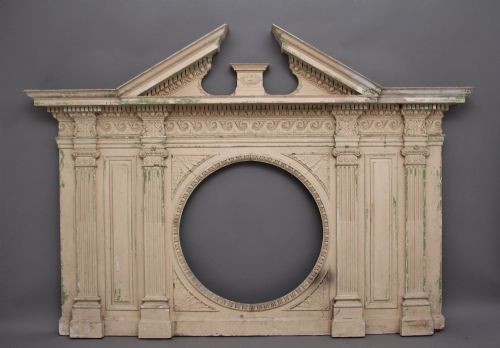
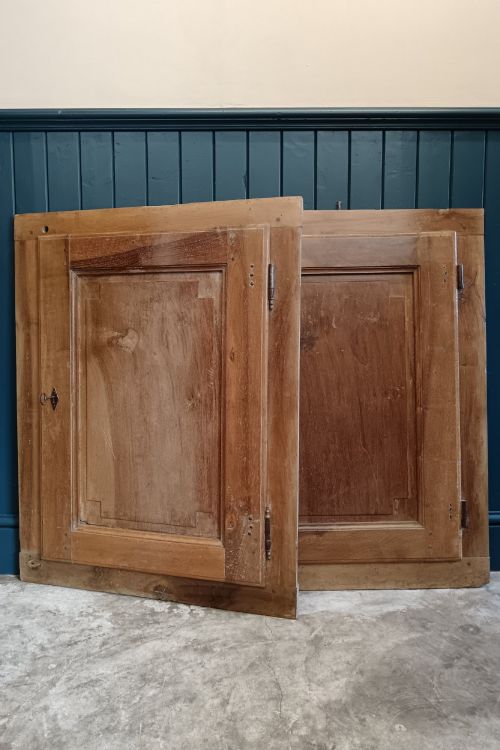
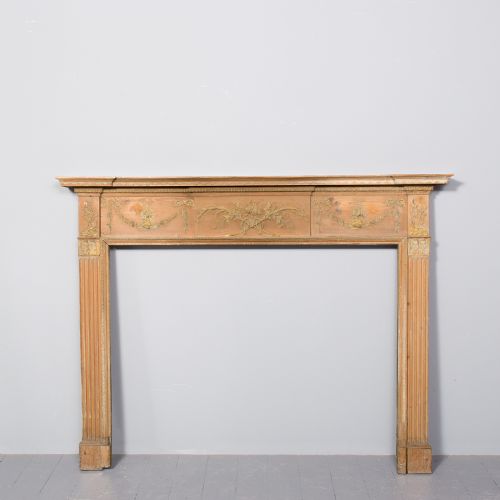
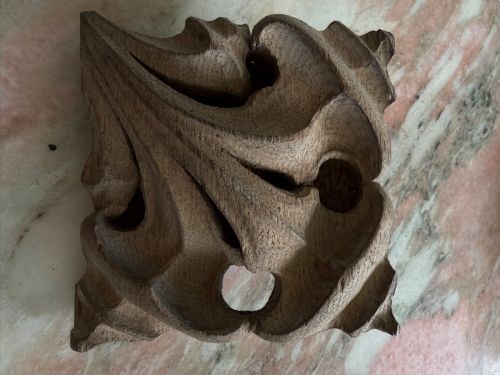
Most pieces date from the Georgian era or the wider 18th century, with pine and oak forming the bulk of the woodwork. Decorative carved panels, ceiling bosses, and fireplace surrounds dominate the selection alongside stone corbels and iron fittings.
How these pieces were made
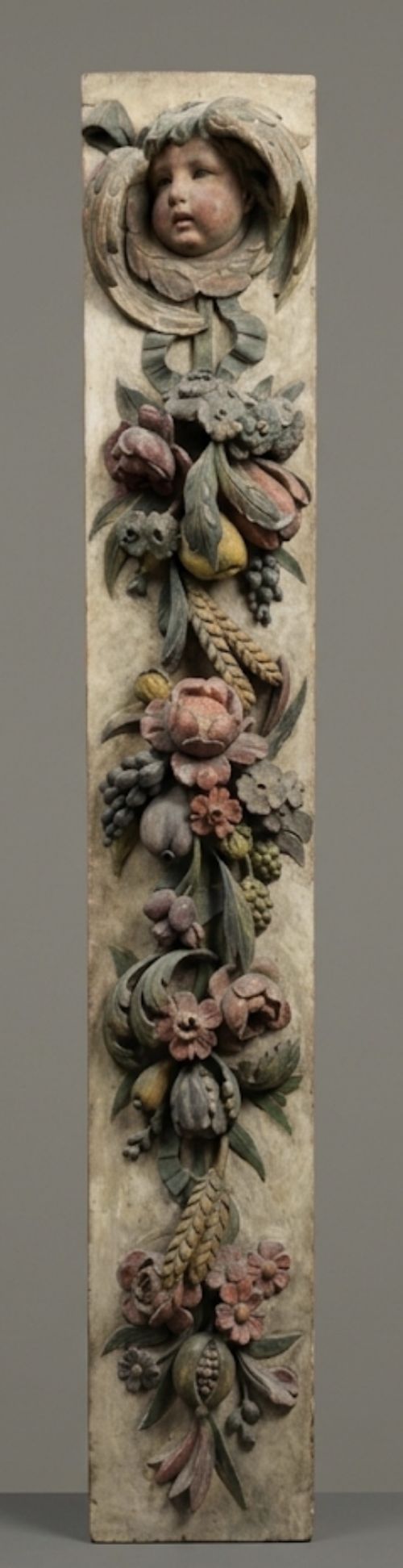
Carpenters and masons shaped oak, pine, walnut, and sandstone using hand tools, producing deep relief carvings and structural elements with visible tool marks. Surface treatments include gesso, paint, silver leaf, and polychrome finishes applied directly to the timber or stone.
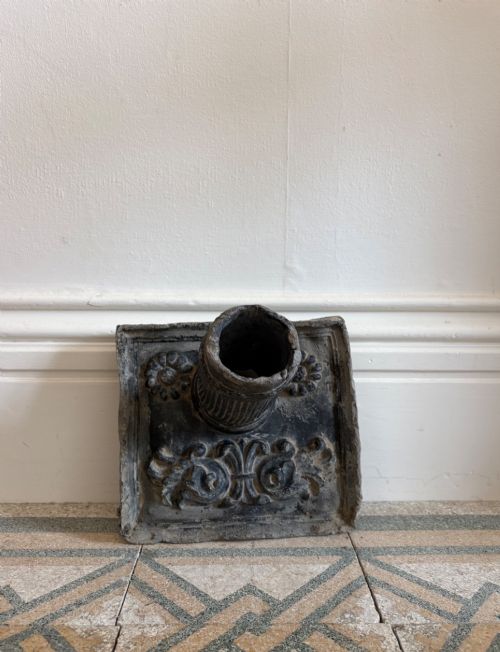
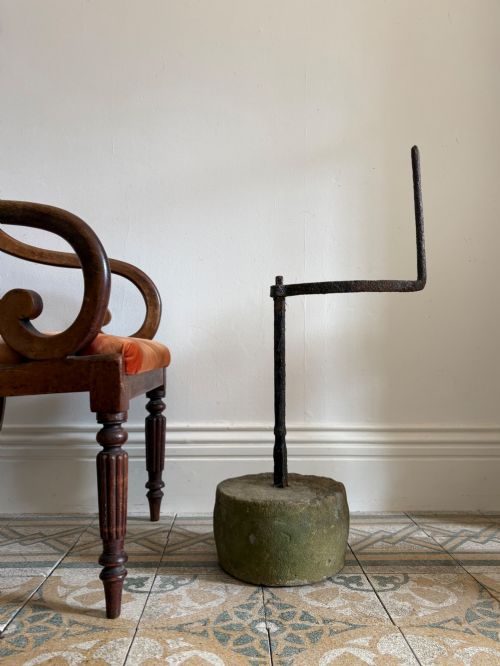
Metal components rely on forged wrought iron and cast bronze, seen in items such as anchors, water pump hoppers, door locks, and fireplace friezes. These methods reflect the heavy reliance on manual labour and traditional joinery techniques of the period.
Listings feature structural and decorative salvage from the 18th century, spanning oak, sandstone, wrought iron, and gesso.
What varies in quality
The depth and crispness of the hand carving separate utilitarian items from masterworks of interior decoration. Surviving original surface treatments, such as polychrome paint or gilding, elevate the standing of a carved wooden panel or bracket.
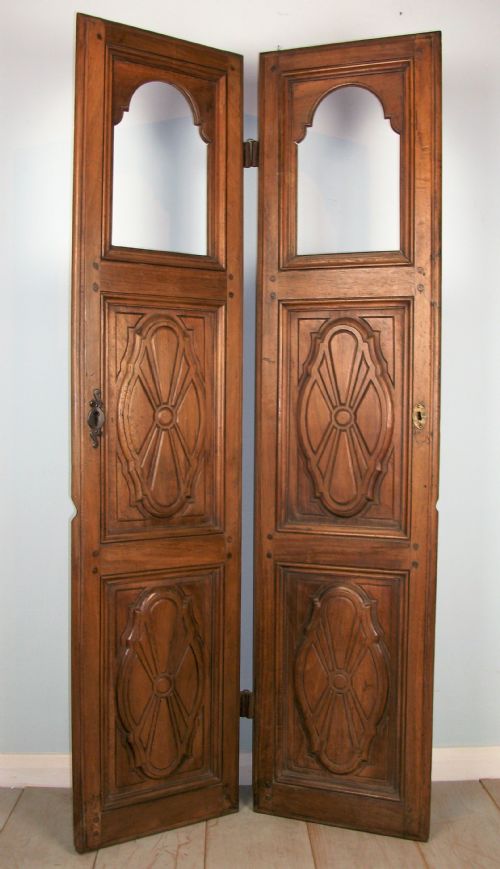
Completeness alters the character of architectural fragments, as paired doors or matching sets of finials carry greater architectural presence than single items. The integrity of the underlying timber or stone substrate dictates the strength of the piece.
The 18th Century Architectural Salvage Glossary
- Corbel
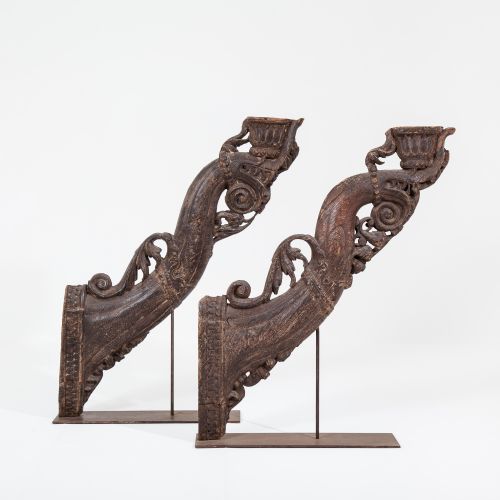
- A structural stone or wooden bracket projecting from a wall to support a weight above it. Examples often feature elaborate scrollwork or carved figurative details.
- Ceiling Boss
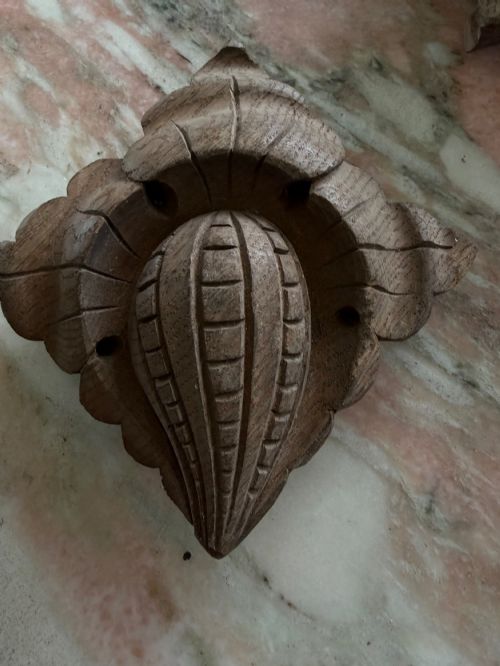
- A decorative projecting block at the intersection of ribs in a ceiling vault. They frequently take the form of carved oak foliage, roses, or heraldic motifs.
- Gesso
- A plaster mixture applied to wood surfaces as a base for painting or gilding. This technique allowed carvers to create sharp relief details before applying gold leaf.
- Finial
- An ornamental crowning detail placed at the apex of a gable, spire, or piece of furniture. They appear in carved wood and stone across European architecture.
- Box Lock
- A self-contained mechanical door lock enclosed within a wooden or metal box fitted to the surface of a door. Georgian versions often include working keys and brass mechanisms.
18th Century Architectural Salvage: Frequently Asked Questions
How are antique fireplace surrounds installed?
Stone and pine fireplace surrounds require careful anchoring to structural walls using appropriate fixings for the weight of the material. Specialists often align the hearth and surround to ensure proper clearance for modern or period inserts.
Surrounds made from marble, stone, or carved wood need stable backing to support mantelpieces and overmantels safely. Proper levelling during fitting ensures the architectural proportions remain balanced within the room.
Can antique stone corbels support weight?
Sandstone and stone corbels possess inherent load-bearing strength due to their original structural function in masonry buildings. Their capacity depends upon the depth of the wall insertion and the soundness of the stone.
When repurposed as interior shelf brackets or decorative supports, they must be anchored securely into wall studs or masonry. Consulting a builder ensures the mounting method matches the weight of the stone.
How do I care for painted wooden carvings?
Painted and gilded wooden panels require stable indoor humidity levels to prevent the timber from warping or the gesso from cracking. Dusting should be done gently with a dry, soft brush without using liquid cleaners.
Avoiding direct sunlight protects polychrome pigments and gold leaf from fading over time. Environmental stability preserves the historic surface layers found on 18th-century woodwork.
What is the difference between an overmantel and a mantelpiece?
A mantelpiece forms the frame surrounding the fireplace opening, incorporating the jambs and the horizontal shelf above. It provides the primary architectural border for the hearth.
An overmantel sits strictly above the mantel shelf, often taking the form of a framed panel, mirror, or decorative carving. Together they create a unified focal point on the chimney breast.