


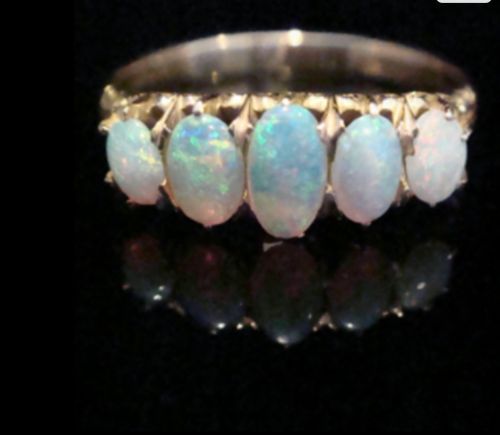
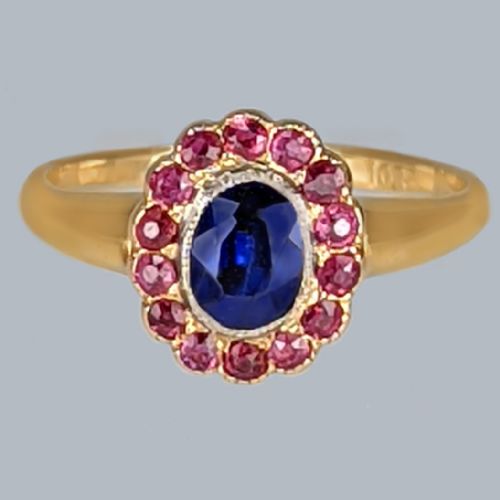


18ct Gold Gem Ring
Selecting an 18ct gold gem ring brings together lasting precious metal and colourful stones spanning multiple historic periods.
18ct Gold Gem Ring
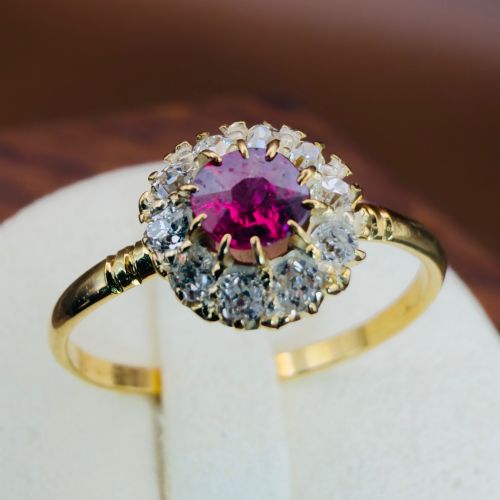
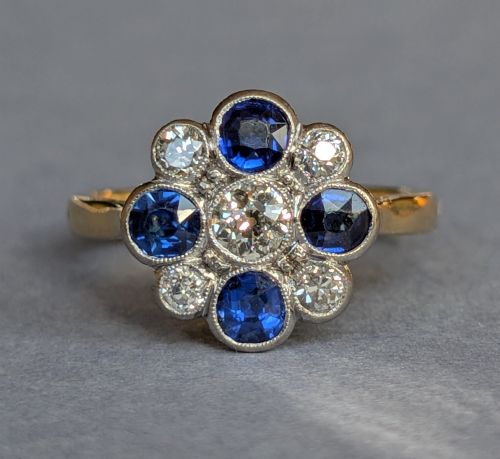
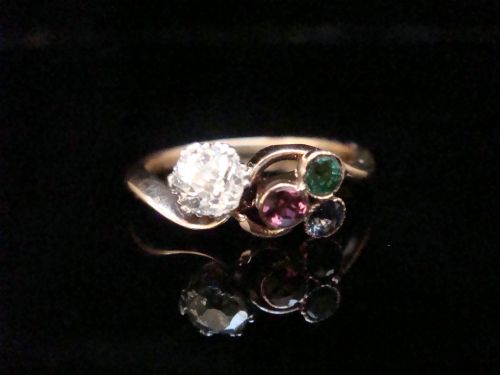
An 18ct gold gem ring encompasses various historical periods, ranging from the Georgian and Victorian eras through Edwardian times and into mid-century twentieth-century design. These pieces take forms such as multi-stone clusters, simple solitaires, trilogy arrangements, and decorative animal motifs.
Buyers browsing this selection encounter rings set with traditional precious stones like diamonds, rubies, sapphires, and emeralds, alongside opals, amethysts, garnets, and spinels. Yellow gold, white gold, and rose gold dominate the metalwork, frequently paired with platinum.
Cluster configurations and diamond solitaires appear most frequently across both current stock and archive records. These enduring designs reflect the preferences of past makers who utilised durable alloys to secure central gems and smaller accent stones.
Materials and Construction
Goldsmiths constructed these bands primarily using 18ct gold, combining it with platinum settings in many Edwardian and Art Deco examples to provide a secure, bright white frame for diamonds. Stones received various cuts including old European, old cut, princess, oval, pear, and cushion shapes.
Mounting techniques ranged from delicate claw settings in cluster designs to flush rubover styles and starburst gypsy mountings. Artisans integrated supporting gems like smaller diamonds and calibrated rubies or sapphires to frame central stones.
Among the menagerie of surviving designs, spirited panther and leopard motifs lurk in solid gold alongside traditional floral clusters.
Quality Variations
The standard of an 18ct gold gem ring depends on the weight, clarity, and natural origin of the primary stones, alongside the precision of the metalwork. Pieces accompanied by independent gemological reports offer verified details regarding stone treatments and provenance.
Execution of intricate details, such as symmetrical cluster layouts, well-matched accent stones, and robust claw or platinum settings, separates standard production from finer examples. The crispness of hand-engraved shoulders and hallmarks further indicates superior workshop standards.
The 18ct Gold Gem Ring Glossary
- Cluster ring
- A design featuring a prominent central stone surrounded by a border of smaller gems. This configuration maximises visual presence and colour contrast.
- Old cut
- A diamond facet arrangement typical of antique jewellery predating modern brilliant cutting standards. These stones exhibit smaller tables and higher crowns.
- Toi et Moi
- French for you and me, denoting a ring style featuring two main stones set side by side. It symbolises a close union between two individuals.
- Gypsy ring
- A band where stones are flush-set directly into the thick metal surface rather than held by raised claws. This style was popular during the Victorian period.
- Trilogy ring
- A mounting holding three stones in a row, often interpreted to represent the past, present, and future. Diamonds and coloured gems frequently alternate in these pieces.
18ct Gold Gem Ring: Frequently Asked Questions
How do I care for an antique gold ring?
Clean these pieces gently with warm soapy water and a soft brush, avoiding harsh chemical dips that damage softer gems like opals and emeralds.
Store each ring separately in a lined box to prevent harder diamonds from scratching neighbouring gold shanks or softer stones.
Can these rings be resized easily?
Most 18ct gold bands allow for professional resizing by a skilled jeweller who can match the alloy and preserve any interior hallmarks.
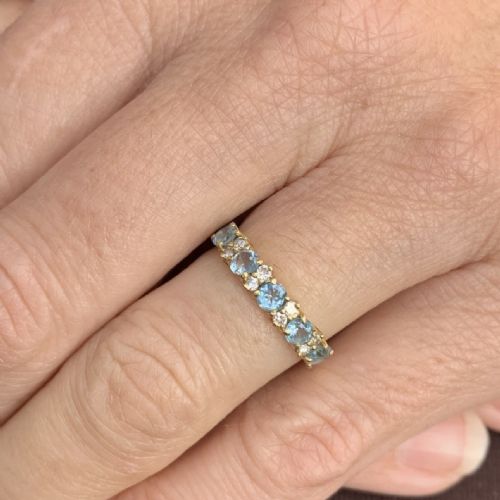
Designs featuring continuous gemstones around the band, such as half-eternity rings, present greater sizing challenges than standard solitaires or clusters.
What does 18ct gold mean?
An 18ct gold designation indicates that the metal alloy contains seventy-five percent pure gold mixed with other metals to provide structural strength.
Different alloy mixtures create yellow, white, or rose gold colour variations while maintaining the same proportional gold content.
How can I tell the period of a ring?
Stylistic cues such as platinum-topped Edwardian settings, geometric Art Deco lines, or Victorian gypsy mounts offer immediate visual clues to a piece's age.
Official hallmarks stamped inside the shank often provide specific town marks, date letters, and maker details to confirm the exact manufacturing era.