

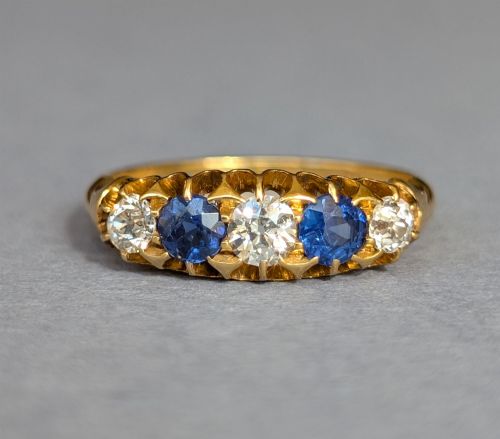
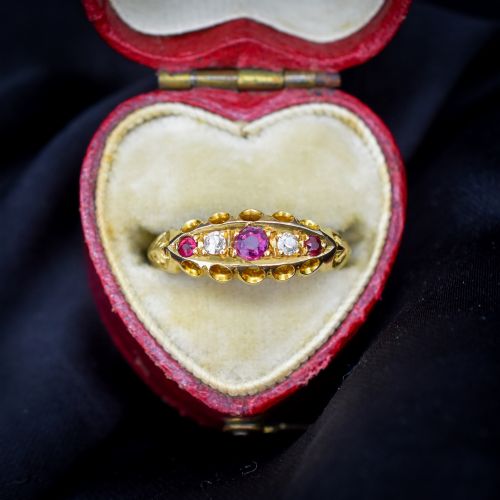
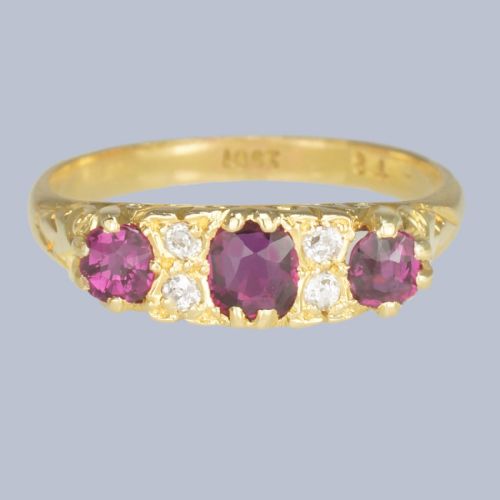
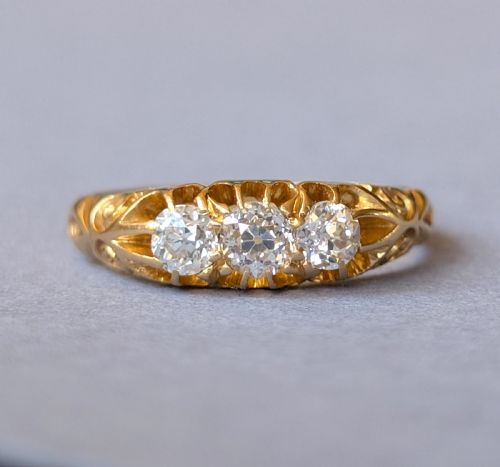
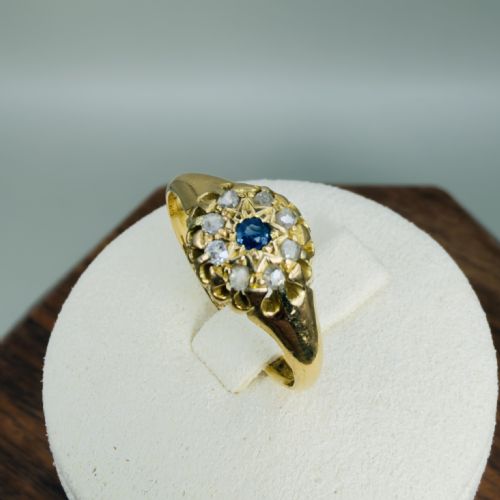
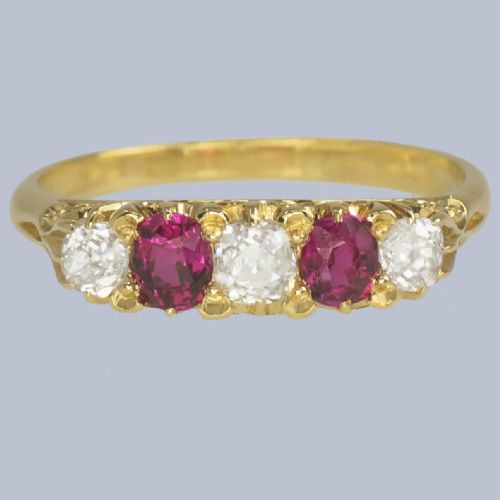
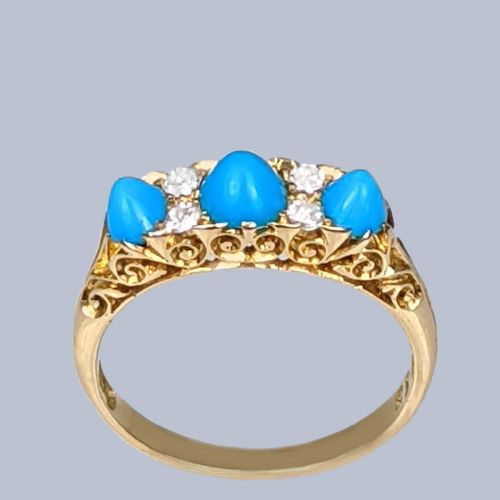
18ct Gold Carved Ring
These pieces combine durable metal with gemstones and intaglios, making an 18ct gold carved ring a practical choice for daily wear.
18ct Gold Carved Ring
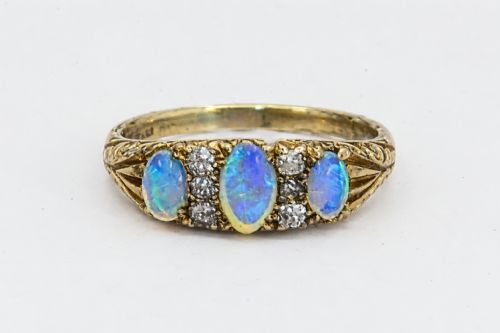
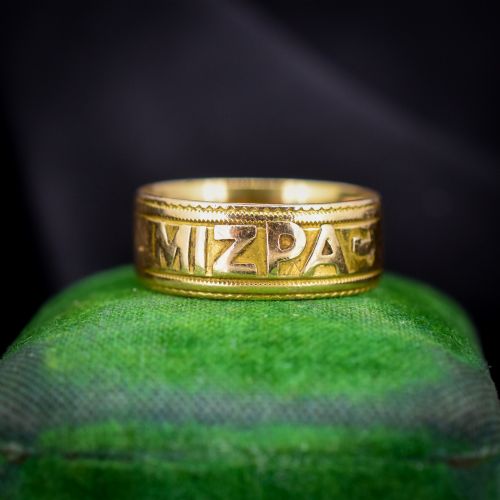
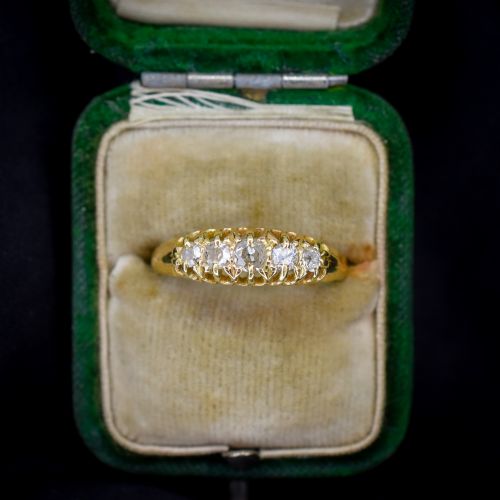
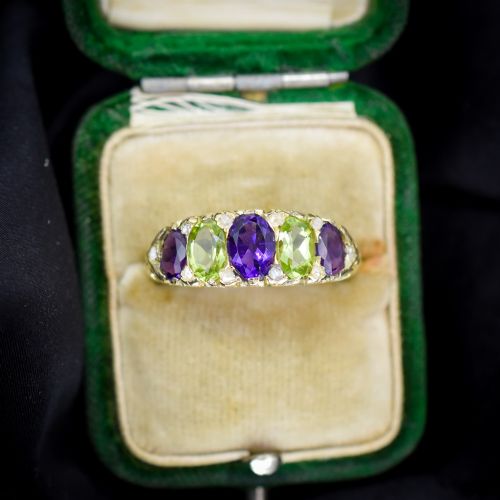
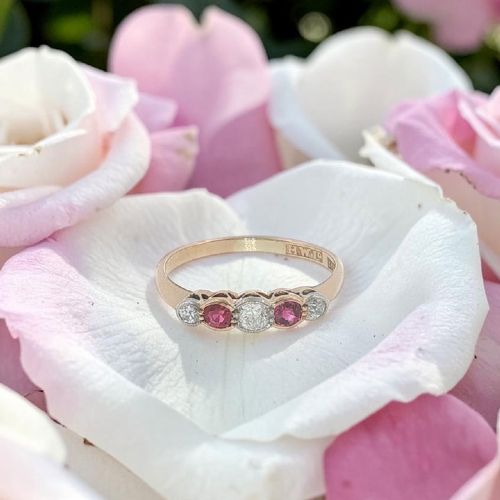
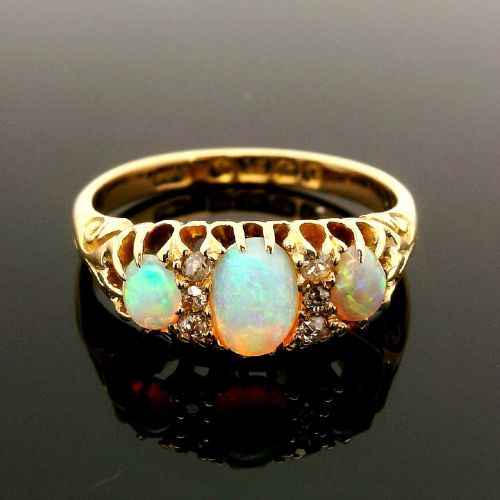
An 18ct gold carved ring brings together precious metal and detailed stonework, encompassing forms from Victorian cameos to Edwardian boat shapes. Gems such as opal, diamond, ruby, and sapphire frequently accompany the metalwork across late nineteenth and early twentieth century examples.
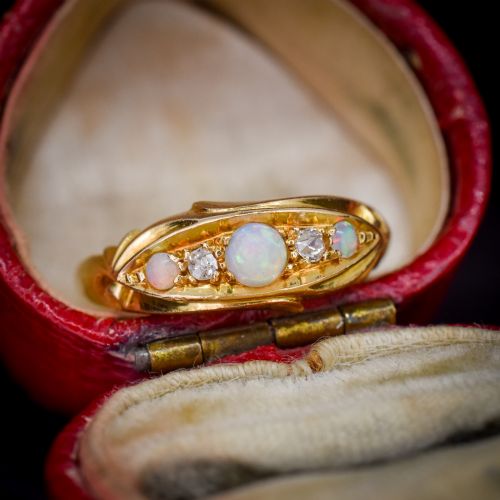
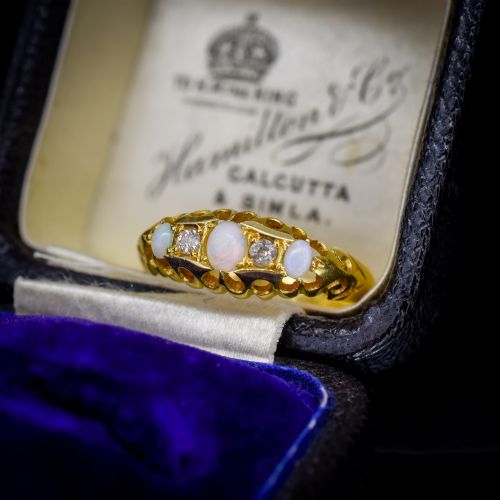
The most common versions met here span the Victorian and Edwardian eras, often featuring boat profiles or five-stone arrangements alongside carved hardstones and cameos. Workshops in Birmingham and Chesterhallmarked many of these surviving items during the late Victorian and early twentieth periods.
Materials and construction
Craftsmen used 18ct gold and 18ct yellow gold as the primary metal base for mounting gems and carved hardstones. Stones like diamond, ruby, sapphire, opal, and turquoise were set securely into the heavy gold bands using traditional claw, star, and gypsy settings.
Carved elements involve meticulous hand-working of materials such as onyx, sardonyx, and various hardstones into cameos and intaglios. Goldsmiths combined these detailed reliefs with old cut diamonds and coloured gemstones, securing them within robust gold structures.
Materials recorded across the inventory include turquoise, pearl, ruby, opal, and yellow gold set into traditional boat and cluster formations.
What separates examples
Gemstone selection and matching also influence the standard of the piece, particularly when old cut diamonds and natural opals are arranged in boat or multi-stone settings. The precision of the gold fabrication and the legibility of Birmingham or Chester hallmarks add historical weight.
The 18ct Gold Carved Ring Glossary
- Boat ring
- A ring setting shaped like a navette or boat curve, popular in Edwardian and late Victorian jewellery. This outline typically houses a central row of gems flanked by smaller stones.
- Gypsy ring
- A band style where gemstones are flush-set directly into the thick gold metal. This technique creates a smooth exterior surface across the finger.
- Intaglio
- A gemstone carved with a recessed design, contrasting with the raised relief of a cameo. George III and Victorian examples utilised hardstones for this technique.
- Old cut diamond
- A hand-faceted diamond cut before modern machine standards, often featuring a smaller table and a higher crown. These stones appear frequently in nineteenth-century and Edwardian settings.
- Trilogy ring
- A ring featuring three primary gemstones set in a row, often symbolizing past, present, and future. Diamonds, rubies, sapphires, and opals frequently populate these three-stone layouts.
18ct Gold Carved Ring: Frequently Asked Questions
How do I care for an opal in an 18ct gold ring?
Opals contain natural water content and require gentle cleaning with a soft cloth rather than harsh chemical dips. Avoid exposing the stone to sudden temperature changes or heavy impacts.
Store the ring separately from harder gems like diamonds to prevent surface scratches on the softer opal face.
What does a Birmingham hallmark indicate on these rings?
A Birmingham assay mark confirms the gold purity standard and points to the geographic origin of the testing office. It often helps date the piece alongside accompanying date letters.
Chester was another common assay office that stamped British jewellery during the Victorian and Edwardian eras.
How do I tell an Edwardian ring from a Victorian one?
Victorian rings often display heavier gold work, gypsy settings, and deeper coloured stones like garnets and rich rubies. Design motifs frequently leaned toward sentimental styles and heavy cluster arrangements.
Edwardian pieces generally favor lighter lacy aesthetics, platinum-topped gold, and brighter combinations of diamonds and opals within boat shapes.
Can I resize an antique 18ct gold carved ring?
Most solid 18ct gold bands can be adjusted by a skilled jeweler who understands antique settings. The process requires care to protect side carvings, flush settings, or delicate claw work.
Intricate gallery work or stones set all the way around the band may limit how much the ring can be altered.