


18ct Diamond Ring
An 18ct diamond ring brings together high-carat gold and precious stones in forms spanning the Victorian era to the mid-century.
18ct Diamond Ring
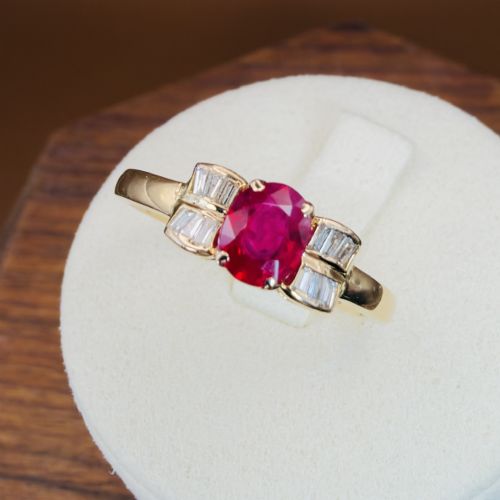
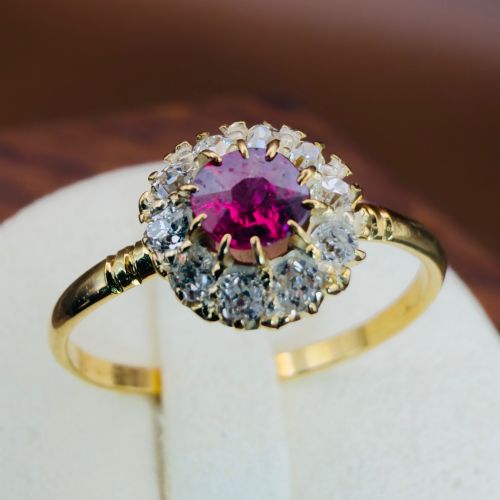
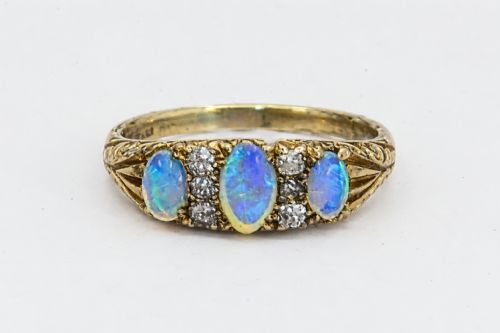
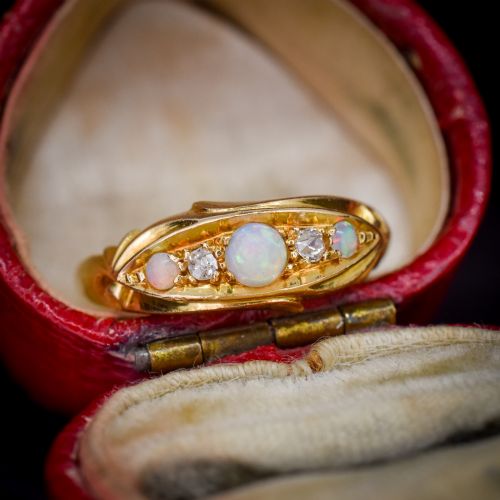
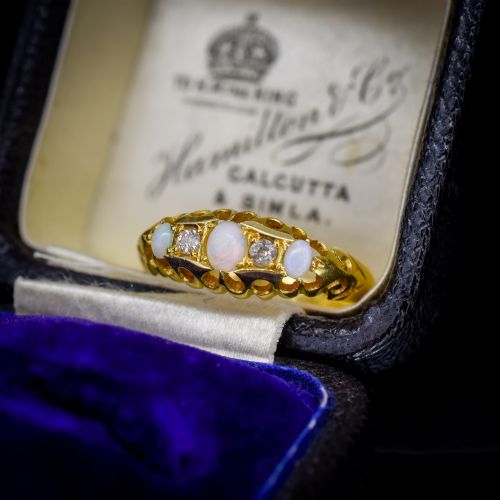
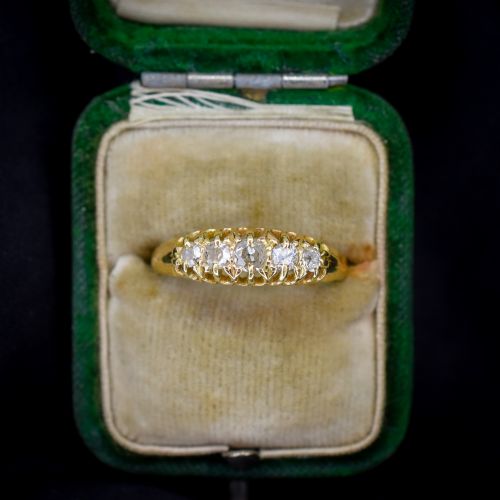
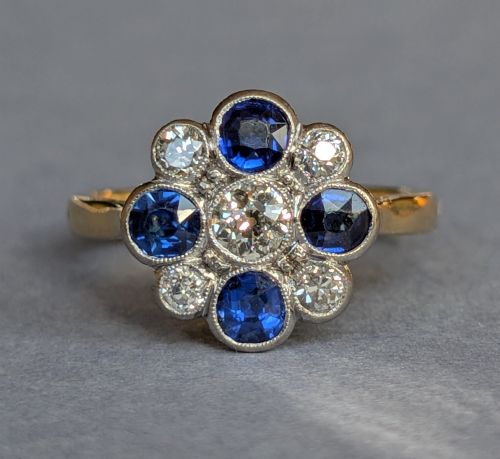
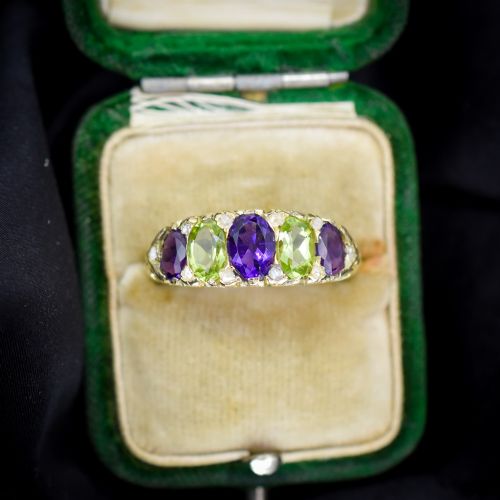
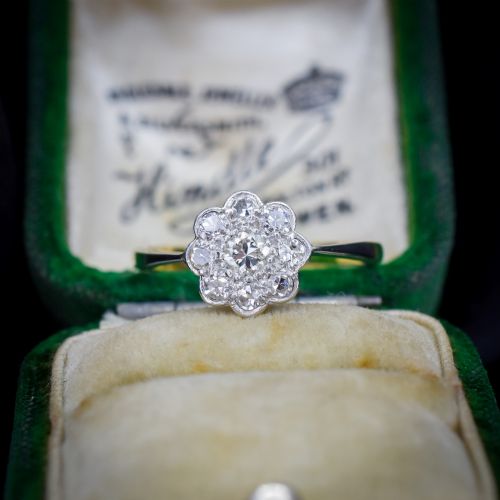
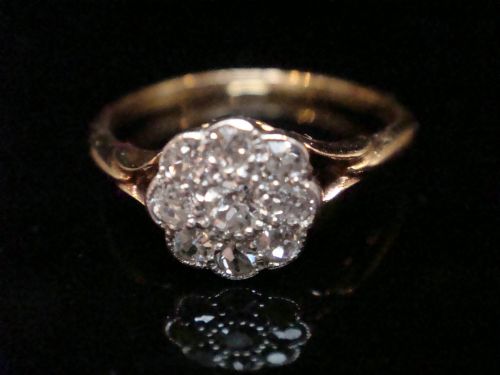
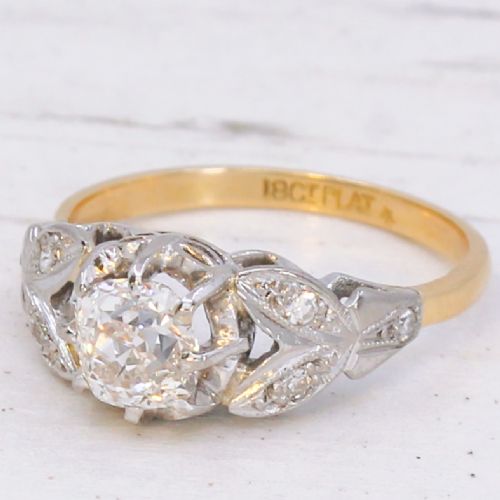
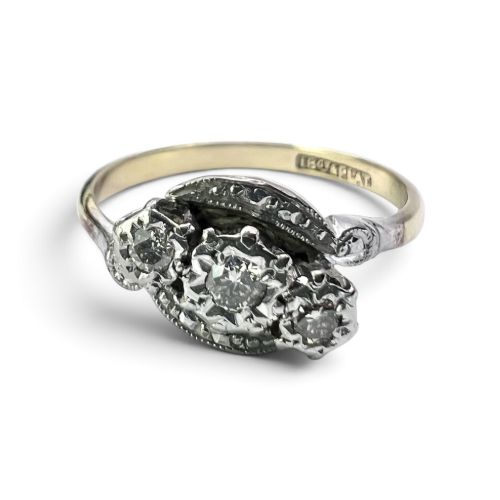
An 18ct diamond ring is a piece of fine jewellery designed for the hand, combining durable high-purity gold with diamonds and frequently accented by coloured gemstones. Buyers seeking this category encounter numerous surviving examples from the Victorian, Edwardian, and Art Deco periods, alongside later mid-century and vintage designs. The most prevalent versions on this page are antique multi-stone configurations such as five-stone bands, boat rings, and daisy clusters originating around the turn of the twentieth century.
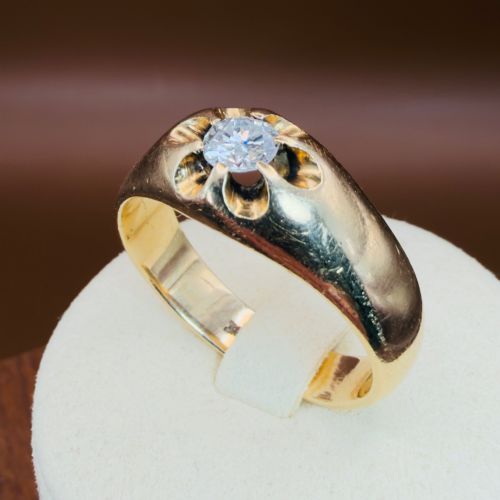
Designs range from delicate Edwardian platinum-topped mountings to substantial gypsy settings and geometric Art Deco shapes. Alongside solitaire and trilogy engagement rings, buyers find dress rings incorporating opals, rubies, sapphires, and emeralds set alongside old-cut diamonds. These pieces reflect the evolving aesthetic priorities of their respective decades, transitioning from ornate floral motifs to clean geometric lines.
How they were made
The construction of these rings relies heavily on 18ct yellow gold, 18ct white gold, and platinum. Craftsmen frequently combined metals during the Edwardian and Art Deco periods, mounting diamonds in platinum-topped settings over gold bands to maximise the white reflection of the stones while retaining a warm golden shank. Stones were hand-cut into old European, old mine, or early brilliant facets, then secured using claw, bezel, or flush gypsy settings.
Goldsmiths utilised techniques such as millegrain edging, where tiny beads of metal decorate the perimeters of stone settings, and pierced openwork galleries to allow light to pass through the diamonds. Shank bands were often cast or forged from solid 18ct gold, sometimes hallmarked with assay office stamps indicating origins in Birmingham or Chester.
Materials paired with 18ct gold include platinum, old-cut diamonds, sapphires, rubies, and natural opals.
What varies in quality
The distinction between ordinary examples and exceptional pieces rests upon the proportions and matching of the set stones, the crispness of hand-carved detailing like millegrain, and the structural integrity of the metalwork. Superior examples display well-matched old-cut diamonds with balanced colour and clarity, securely held within robust settings that show minimal wear to the prongs or gallery walls. Lesser pieces may suffer from uneven stone replacement, excessive thinning of the gold band from decades of resizing, or worn-down decorative texturing.
Maker attention also dictates value, particularly in works associated with named high-end London or European houses compared to standard provincial workshop production. The integration of desirable secondary gemstones, such as natural unheated Burmese rubies or cornflower sapphires, significantly elevates the desirability of a multi-stone cluster or trilogy configuration.
Kutchinsky
The 18ct Diamond Ring Glossary
- Boat ring
- A ring featuring a curved, boat-shaped face that typically tapers towards the ends, popular during the late Victorian and Edwardian periods. This silhouette often houses a central diamond flanked by smaller stones or opals.
- Old-cut diamond
- A hand-faceted diamond cut prior to the standardisation of the modern brilliant cut in the early twentieth century. These stones possess smaller tables, higher crowns, and larger culets that produce a distinctive candlelit sparkle.
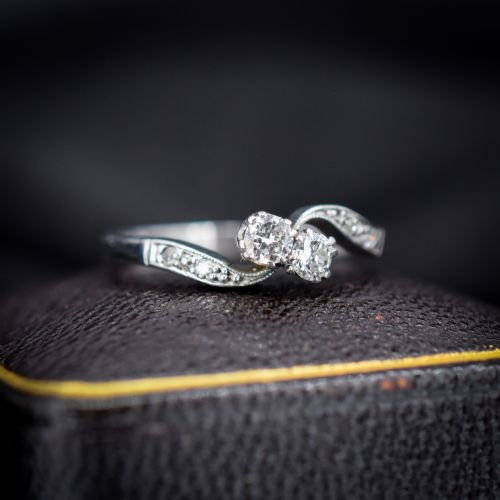
- Toi et Moi
- A two-stone ring style representing two souls entwined, usually featuring two diamonds or a combination of a diamond and a coloured gemstone sitting side by side in a twist configuration.
- Gypsy ring
- A style where the stones are flush-set directly into a thick, tapered gold band rather than raised in traditional claws. This design was favoured by both men and women for everyday wear in the late nineteenth and early twentieth centuries.
- Navette
- A boat-shaped or marquise-oriented ring design featuring an elongated pointed silhouette. The geometry allows for complex clusters of diamonds and contrasting gemstones arranged along a central axis.
18ct Diamond Ring: Frequently Asked Questions
How do I care for an antique 18ct gold ring?
An 18ct gold ring requires gentle cleaning with warm soapy water and a soft brush to remove everyday oils and debris from beneath the stone settings. Avoid harsh chemical dips, particularly if the piece contains softer gems such as opals or pearls which absorb moisture and react poorly to solvents.
Periodic inspection by a jeweller ensures that the claws holding the diamonds remain secure and that the band has not thinned dangerously through decades of wear. Storing the piece individually in a lined box prevents the gold and stones from scratching against other items.
What is the difference between old-cut and modern diamonds?
Old-cut diamonds were shaped by hand before modern machinery standardised facet angles and proportions in the twentieth century. They typically feature smaller table facets, higher crowns, and deeper pavilions that create a softer, more atmospheric return of light.
Modern brilliant-cut stones are engineered for maximum mathematical brilliance and direct white light return. The organic hand-finished charm and unique facet symmetry of an old-cut diamond define the character of Edwardian and Victorian rings.
How can I tell the period of a ring?
Dating a ring involves examining the mounting style, the cut of the diamonds, and any legible hallmarks stamped inside the shank. For instance, Edwardian pieces frequently combine platinum-topped gold with delicate millegrain work, while Art Deco designs favour geometric symmetry and calibré-cut coloured stones.
Assay office marks and date letters stamped into the interior of the band provide definitive clues to the year of manufacture. Combining these physical attributes with stylistic evidence allows collectors to place a piece within its correct historical decade.