



1890s Jewellery
When you handle 1890s antique jewellery, you hold pieces that capture the ornate, gemstone-rich transition from late Victorian tradition to early Art Nouveau curves.
1890s Jewellery
1890s antique jewellery encompasses a distinct span of late Victorian and early Art Nouveau adornment, ranging from everyday personal items to grand evening wear. You will frequently encounter rings, brooches, watch chains, and pendants carrying the hallmarks of this transitional decade.
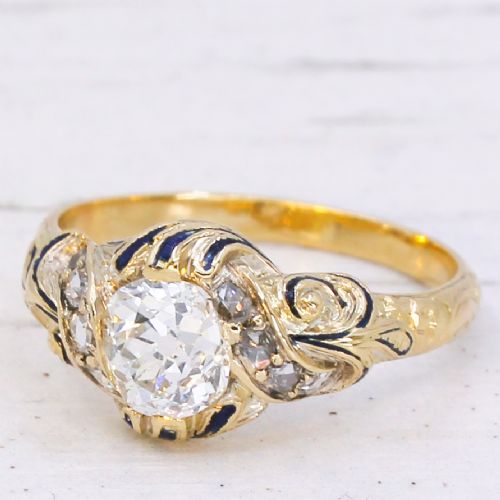
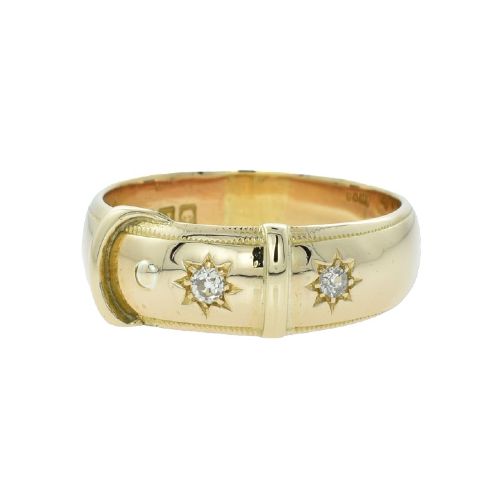
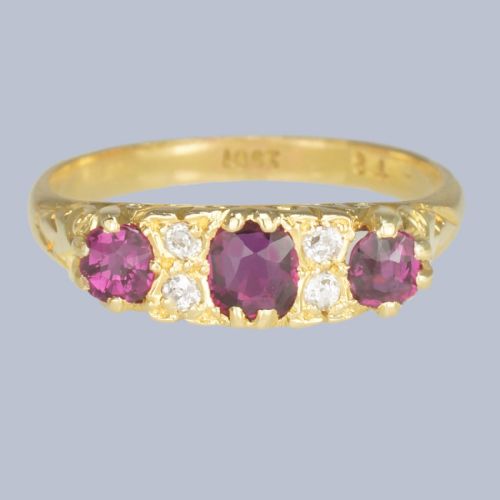
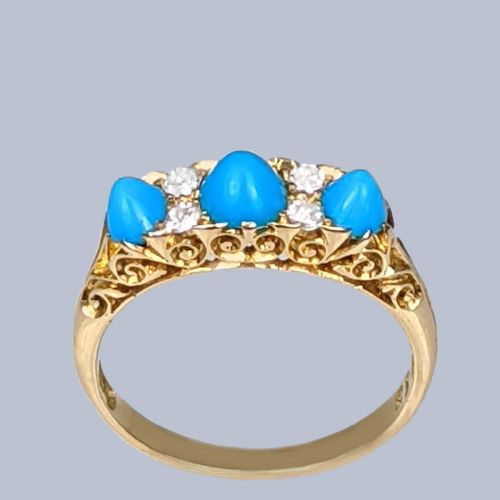
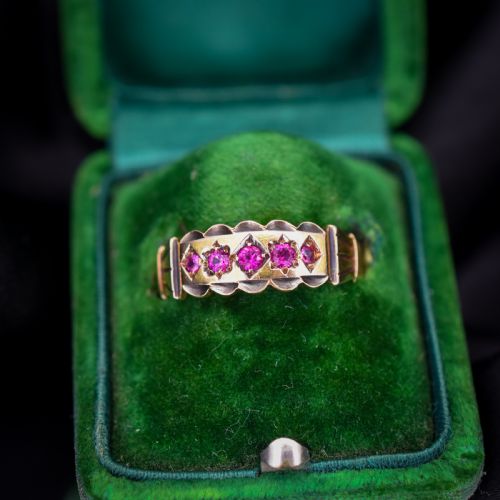
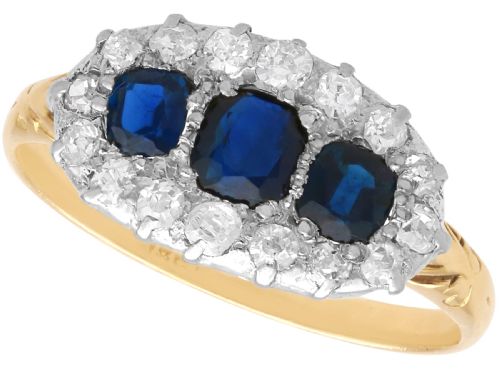
The objects on this page showcase a heavy reliance on rich groupings of gemstones, including diamonds, rubies, sapphires, and opals. These stones are typically set into yellow gold of varying purities alongside silver settings for diamonds.
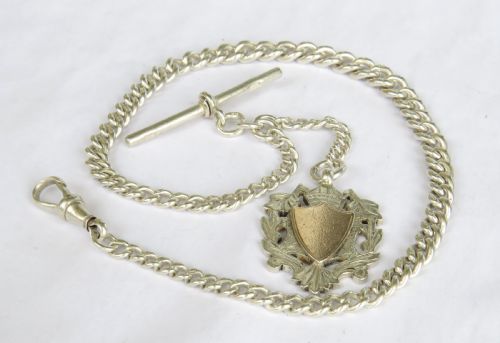
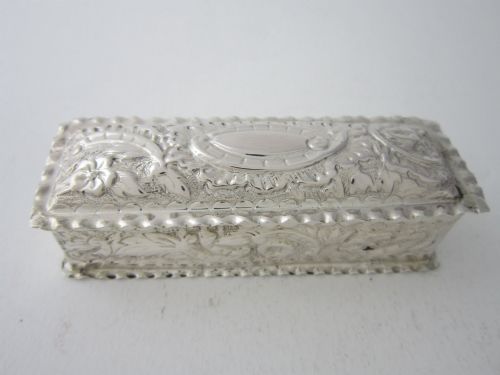
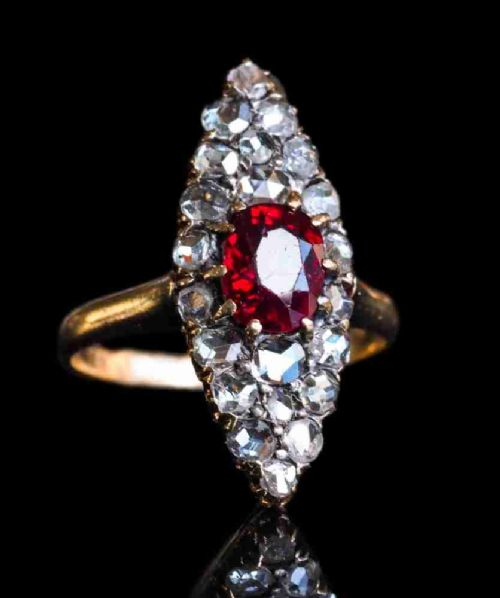
Forms stretch from practical pocket watch albert chains and trinket boxes to decorative drop earrings, necklaces, and intricate navette or boat rings. Each category reflects the specific social rituals and aesthetic preferences of the closing nineteenth century.
How 1890s antique jewellery was made
Craftsmen of this decade relied heavily on 18ct, 15ct, and 9ct gold, often combining yellow gold bodies with silver top-settings for diamonds to brighten the stones. This method of mixing metals is a physical hallmark of the period's manufacturing technique.
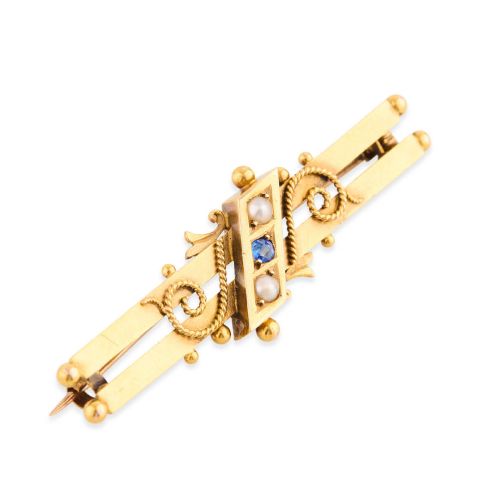
Gemstones such as old-cut diamonds, rubies, sapphires, pearls, and opals were hand-set into complex configurations like navette, boat, and cluster designs. Goldsmiths utilised chasing, hollow-forming, and link assembly to construct gate link bracelets and articulated watch chains.
Mandolin-shaped brooch designs offered late Victorians a charming way to wear their musical passions pinned to a lapel.
What varies in quality
Quality rests upon the weight and purity of the gold, the natural origins and matching of the gemstones, and the crispness of the hand-finishing on elements like engraved bands and granulation. Substantial stone weights and unheated or Burmese rubies elevate a piece considerably.
The structural integrity of delicate settings, such as claw-set stones in multi-gem rings or hinged elements in lockets and trinket boxes, dictates the standard. Masterful execution ensures that intricate elements like seed pearl clusters and Trombone watch chains remain secure through decades of wear.
The 1890s Jewellery Glossary
- Navette
- A boat-shaped ring design with a pointed oval outline that stretches along the finger. This silhouette was exceptionally popular for multi-stone diamond and ruby clusters during the final decade of the nineteenth century.
- Old-cut diamond
- A hand-faceted diamond shape predating modern brilliant cuts, characterised by a smaller table, higher crown, and open culet. These stones catch candlelight with a softer, broader flash than modern stones.
- Albert chain
- A pocket watch chain designed to be secured through a waistcoat buttonhole, often complete with a T-bar and dog clips. Examples from this era frequently feature trombone links or patterned silver work.
- Trinket box
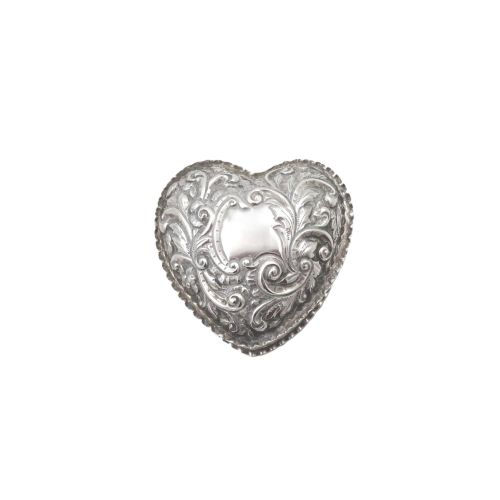
- A small, decorative container fashioned from sterling silver or metal, often lined with velvet and embossed with floral or heart motifs. They sat upon dressing tables to hold rings and small personal accessories.
1890s Jewellery: Frequently Asked Questions
How do I identify 1890s jewellery?
Look for specific hallmarks, transitional design motifs that blend late Victorian heaviness with early Art Nouveau curves, and distinctive gemstone cuts like the old-cut diamond.
Examining the construction methods, such as silver-topped gold settings, will also help align the piece with this specific decade.
What metals were used in the 1890s?
Jewellery from this era predominantly utilised 18ct and 15ct yellow gold, alongside 9ct gold and sterling silver. Silver was frequently employed as a top layer over gold to enhance the brilliance of diamonds.
Rose gold variations also appear, reflecting the warm metal tones favoured by Victorian and turn-of-the-century goldsmiths.
How should I care for antique rings?
Protect delicate seed pearls and soft stones like opals by avoiding harsh chemical cleaners, ultrasonic baths, and prolonged immersion in water. Store them individually to prevent scratching from harder gems like diamonds and sapphires.
Have the claw settings and mounts checked periodically by a specialist to ensure the stones remain secure.