



1888 Victorian Silver
These 1888 victorian silver pieces bring late nineteenth-century craftsmanship into your home through functional objects and decorative items.
1888 Victorian Silver
When you search for 1888 victorian silver, you encounter a diverse selection of small domestic objects, tableware, and personal accessories dating precisely to that single year. The pieces available reflect the varied output of English workshops during the late Victorian period, spanning functional items and decorative showpieces alike.
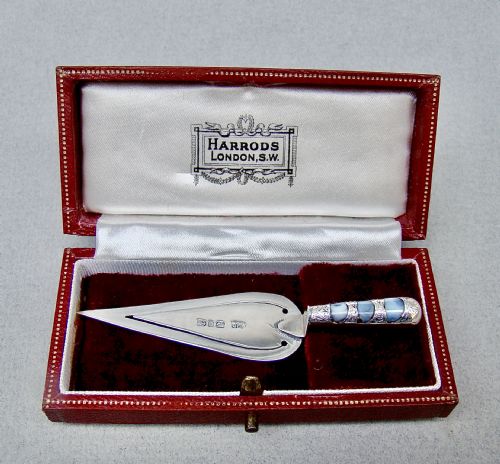
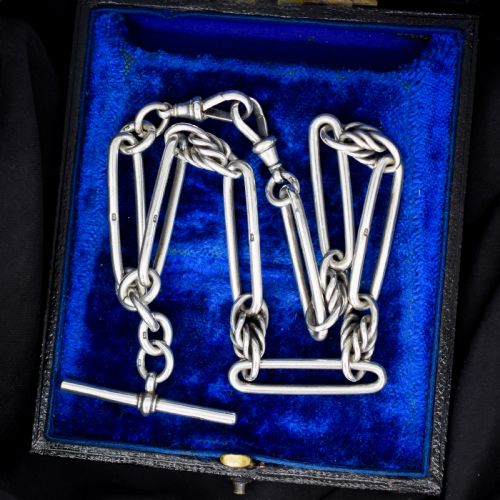
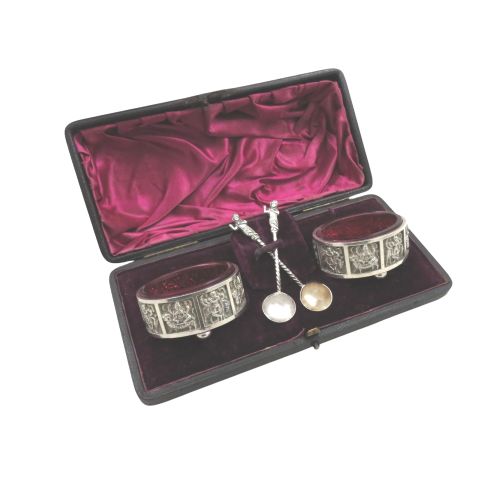
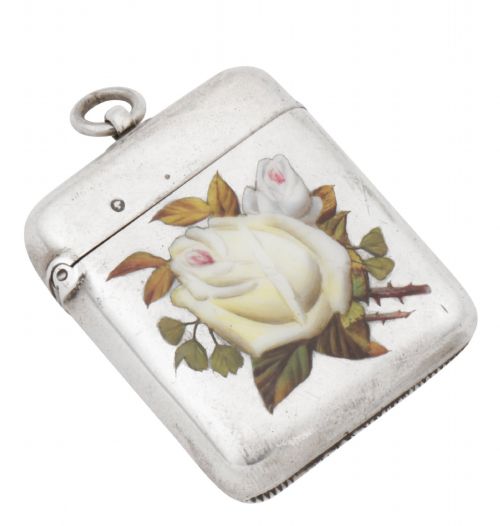
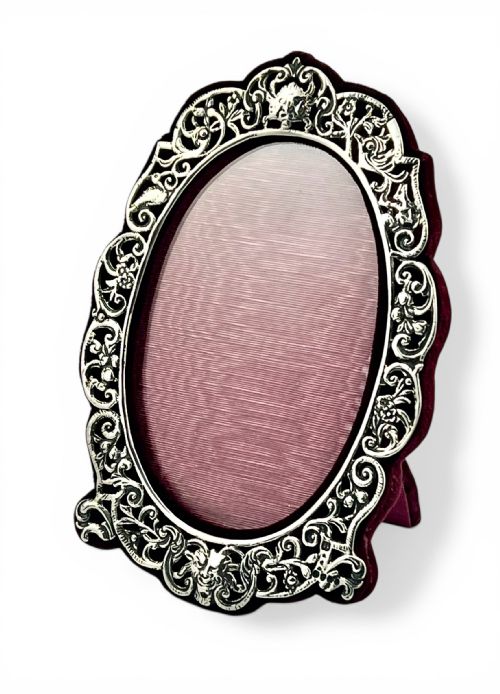
You are most likely to meet smaller silver articles such as vesta cases, bookmarks, salt cellars, and watch chains alongside picture frames and small bowls. These items frequently bear hallmarks indicating manufacture in cities including Birmingham, Sheffield, London, and Chester.
The selection also encompasses silver-plated novelty pieces, ceramic items housed in metal caddies, and objects incorporating secondary materials like agate, velvet, leather, and glass. Each piece illustrates the versatile application of silver and mixed media typical of the era.
Materials and methods
Makers utilised sterling silver and silver plate as the primary metallic foundations for these items, often shaping them through casting, hammering, and engraving. Sterling silver pieces carry official hallmarks that verify their standard and origin, while plated alternatives offer durable shine over base metal.
Artisans frequently combined silver with organic and inorganic elements, setting agate stones into bookmarks, lining cases with velvet and leather, or applying painted enamel to metal surfaces. Ceramic bodies also appear paired with metal caddies, demonstrating integrated manufacturing techniques.
Gilt highlights and coloured glass components add visual depth to smaller accessories such as scent bottles and chalices. These varied methods show how Victorian craftsmen blended structural metalwork with decorative arts.
Assay marks on these items point directly to regional centres including Birmingham, Sheffield, London, and Chester.
Distinctions in quality
The standard of execution in 1888 victorian silver depends heavily on the crispness of the hand-engraving and the precision of applied decoration, such as painted enamel roses or chased Hindu deities. Finer examples display sharp, well-defined motifs that retain their intended detail without excessive wear.
Material selection also dictates the standing of a piece, with solid sterling silver items generally holding more intrinsic weight than silver-plated goods, though specialist novelty items in plate achieve high regard through mechanical complexity. The inclusion of decorative hardstones like agate or original fitted cases elevates the overall integrity of an object.
Joseph Moore·William Neale·Laurence Emanuel·Elkington
The 1888 Victorian Silver Glossary
- Hallmark
- An official stamp applied to precious metals indicating the maker, assay office, and year of manufacture. For pieces from this era, the date letter corresponds to the year 1888.
- Vesta Case
- A small pocket container designed to hold matches and keep them dry. These often feature detailed engravings or enamel decorations.
- Chalice
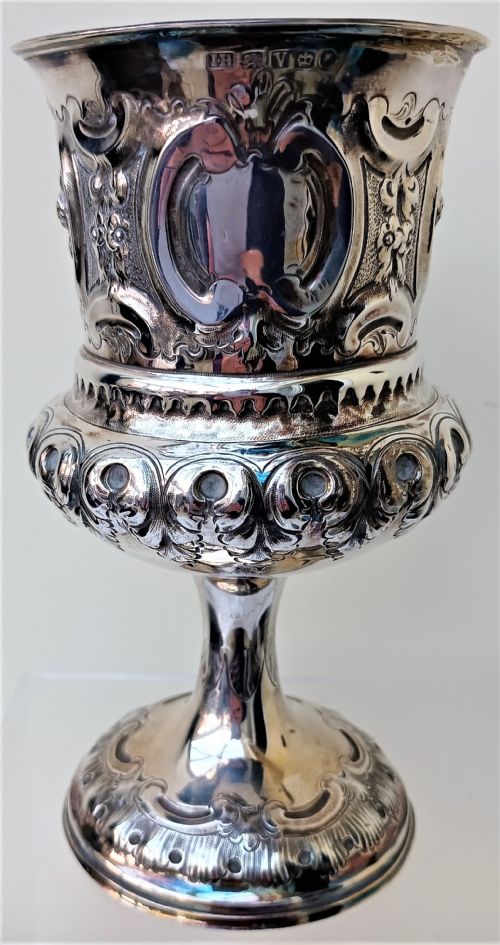
- A stemmed drinking vessel or goblet formed from metal. In this period, they served decorative or commemorative functions.
- Trombone Chain
- A specific link style used in watch chains and necklaces characterised by alternating long and short oval links. This pattern provides both flexibility and visual rhythm.
- Assay Office
- A designated body responsible for testing the purity of precious metal items and stamping them with official hallmarks. Prominent offices include those in Birmingham, Sheffield, London, and Chester.
1888 Victorian Silver: Frequently Asked Questions
How do I identify silver from 1888?
You identify pieces from this year by examining the hallmarks stamped directly onto the metal surface. These official marks typically include a date letter specific to 1888 alongside the assay office symbol and maker's mark.
Additional context sometimes appears in the form of registration numbers or retailer inscriptions, though the assay marks remain the primary definitive guide to age.
What objects were made in 1888?
Makers produced a wide array of functional and decorative items in this year, ranging from small personal accessories like watch chains and vesta cases to tableware including salt cellars, bowls, and entree dishes.
Unusual novelty items such as table gongs, novelty caddies, and decorative bookmarks also featured in production, showing the broad scope of Victorian silversmithing.
How should I clean silver items?
You should clean solid silver items gently using a soft microfibre cloth and a mild, non-abrasive silver polish formulated to remove tarnish without harming the metal. Avoid aggressive scrubbing that might wear down delicate engravings or chased details.
For pieces incorporating enamel, velvet, leather, or agate, keep moisture and polish away from the non-metal sections to prevent staining or structural damage.
Did they use mixed materials?
Victorian silversmiths frequently combined sterling silver and silver plate with a variety of other materials to enhance the utility and appearance of their work. Common pairings include glass scent bottles, ceramic bodies in metal caddies, and stones like agate set into bookmarks.
Organic materials such as leather and velvet also appear as linings in presentation cases and structural elements within personal accessories.