

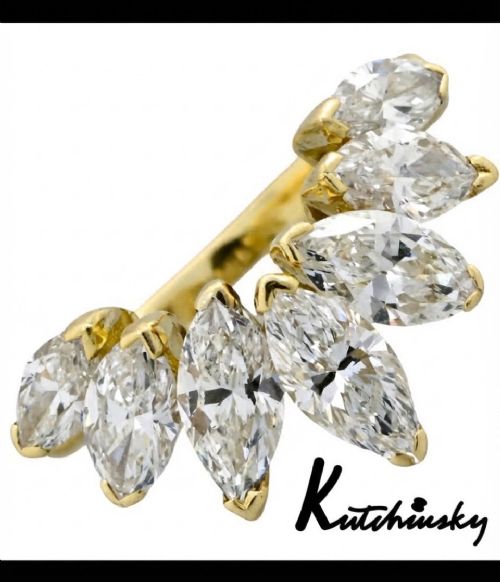
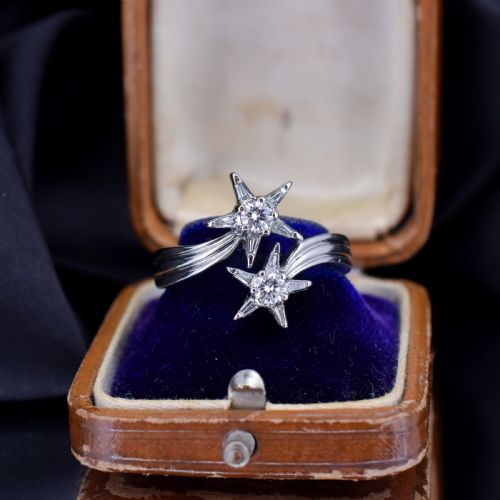
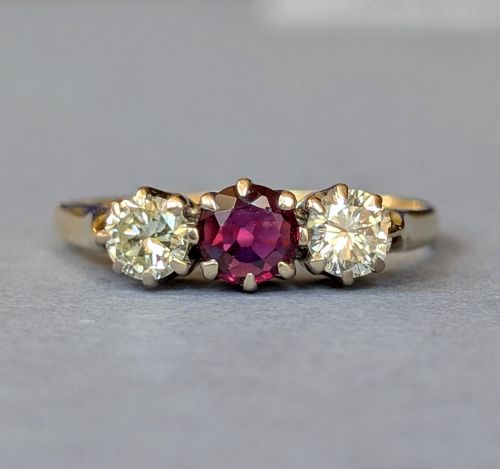
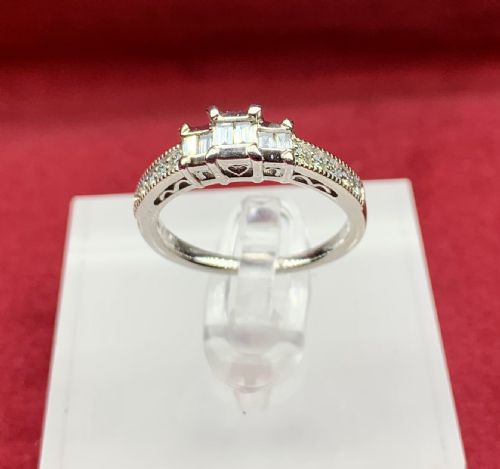


18 Carat Gold Dress Ring
An 18 carat gold dress ring brings together precious stones and enduring metal across Victorian, Edwardian, and mid-century designs.
18 Carat Gold Dress Ring
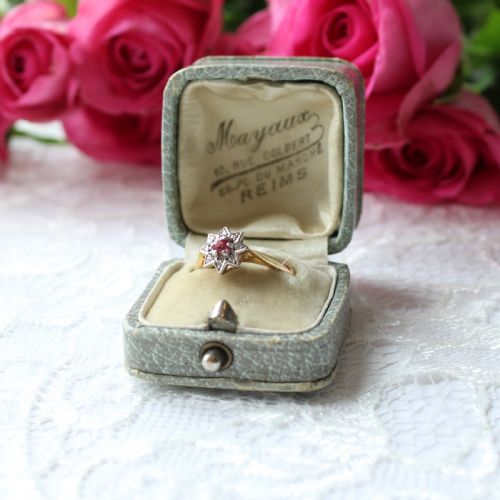
An 18 carat gold dress ring is a decorative band intended primarily for ornamental wear, often featuring precious and semi-precious stones set in yellow or white gold. These rings emerge from diverse periods including the Victorian, Edwardian, Art Deco, and mid-century eras, reflecting changing aesthetic preferences over time.
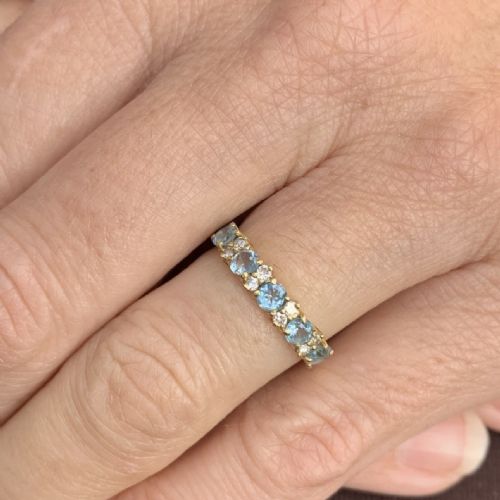
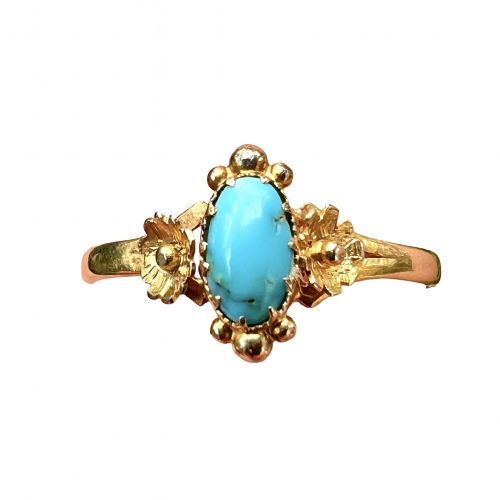
The pieces appearing on this page take various forms, from cluster and multi-stone configurations to gypsy settings and boat rings. Sapphires, diamonds, rubies, turquoise, and aquamarine frequently anchor these designs, paired alongside platinum details in certain twentieth-century examples.
Materials and Techniques
The foundation of these pieces relies upon 18ct yellow and white gold, sometimes complemented by platinum mounts, particularly in Art Deco and mid-century pieces. Gemstones such as diamonds, sapphires, and rubies are secured via claw, bezel, or star settings.
Craftsmen of the nineteenth and twentieth centuries employed techniques ranging from gypsy flush settings to intricate cluster arrangements, often incorporating hand-cut stones like old European cuts or baguettes.
Several rings utilise gypsy settings originally designed to prevent stones from catching on heavy Victorian fabrics.
Evaluating the Range
Quality within these rings depends upon the precision of the stone setting and the clarity and saturation of the accompanying gems, such as rubies, sapphires, and opals. Heavier metal weight and crisp, legible hallmarks, including Chester assay marks, denote superior construction.
Artistic execution also separates standard production from finer examples, visible in balanced cluster proportions, careful claw work, and the integration of desirable design movements like Arts and Crafts or Art Nouveau.
Kutchinsky
The 18 Carat Gold Dress Ring Glossary
- Gypsy ring
- A style where stones are flush-set directly into the thick band of the ring, popular during the Victorian and Edwardian periods. This technique creates a smooth, continuous surface along the finger.
- Cluster ring
- A design featuring a central gemstone surrounded by a border of smaller stones, frequently diamonds. This arrangement maximises visual impact and sparkle.
- Trilogy ring
- A three-stone ring traditionally symbolising the past, present, and future, commonly set with diamonds or a mix of diamonds and coloured stones.
- Old cut
- A diamond cutting style prevalent before modern brilliant cuts, characterised by high crowns, smaller tables, and open culets that produce a softer, candlelight glow.
- Half eternity ring
- A band set with a single continuous line of gemstones across the upper half of the hoop. It provides the appearance of an eternity ring while maintaining comfort on the underside of the finger.
18 Carat Gold Dress Ring: Frequently Asked Questions
How do I care for my 18 carat gold dress ring?
Clean your ring using warm soapy water and a soft brush, avoiding harsh chemicals that might harm softer gems like turquoise or opal.
Store the piece separately in a fabric-lined box to prevent harder stones such as diamonds from scratching the gold mount.
Can I wear an antique dress ring daily?
Many Victorian and mid-century rings tolerate everyday wear if handled with reasonable care during manual tasks.
Inspect the settings periodically to ensure the claws securely hold the diamonds, sapphires, or rubies in place.
How do I identify the period of my ring?
Examine the hallmark stamps inside the band, which often indicate the assay office, metal purity, and date letter corresponding to British registration codes.
Design motifs such as boat shapes, starbursts, or platinum-topped shoulders also point towards Victorian, Edwardian, or Art Deco origins.
What is the difference between yellow and white 18ct gold?
Yellow 18ct gold contains a traditional alloy mixture of gold with silver and copper, yielding a warm hue.
White 18ct gold alloys the yellow metal with white metals like palladium or silver to produce a silvery tone, which frequently pairs with platinum in mid-century and Art Deco settings.