




17th Century Walnut Armchair
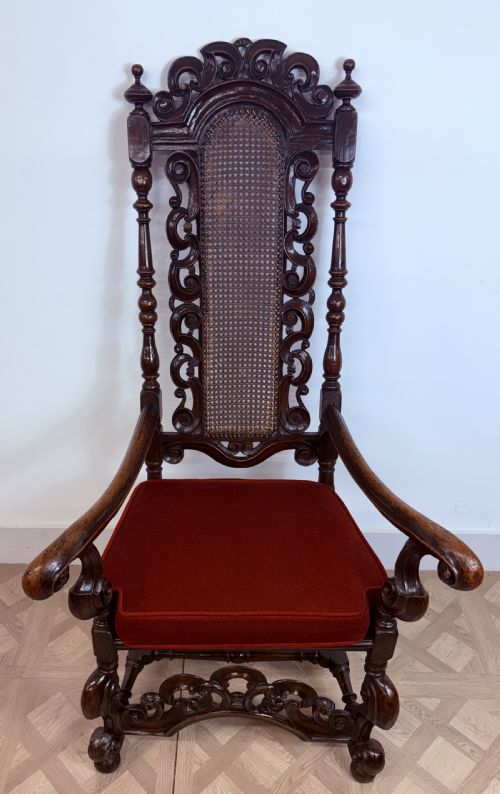
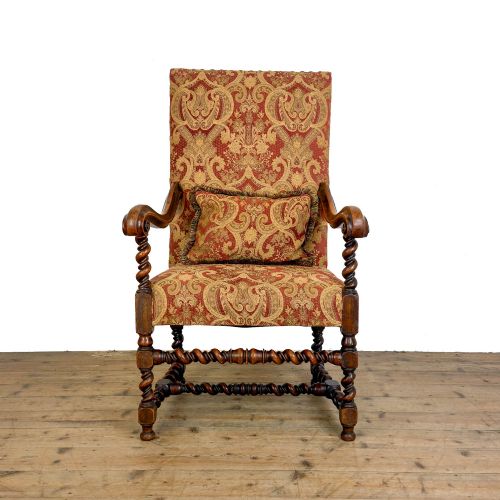
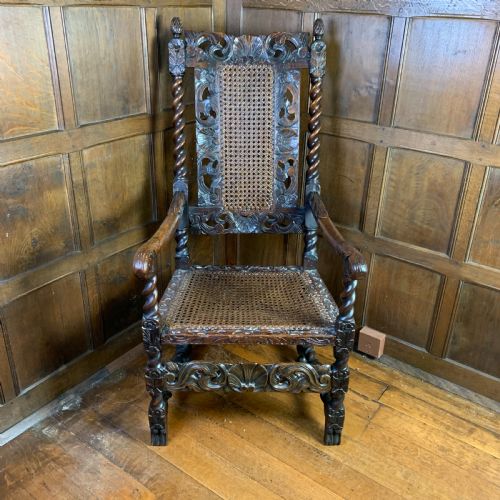
A 17th century walnut armchair brings immediate gravity to a room, offering rich timber frames and period textiles that anchor a space.
17th Century Walnut Armchair
When you search for a 17th century walnut armchair, you are looking at substantial seating built from a dense, dark timber that develops a deep patina over generations. The selection spans authentic period pieces from the seventeen hundreds alongside later revival interpretations.
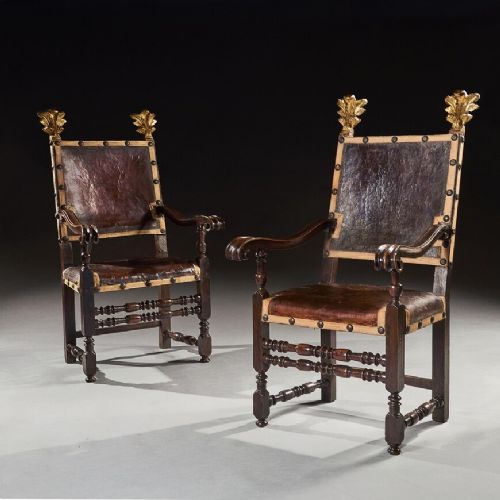
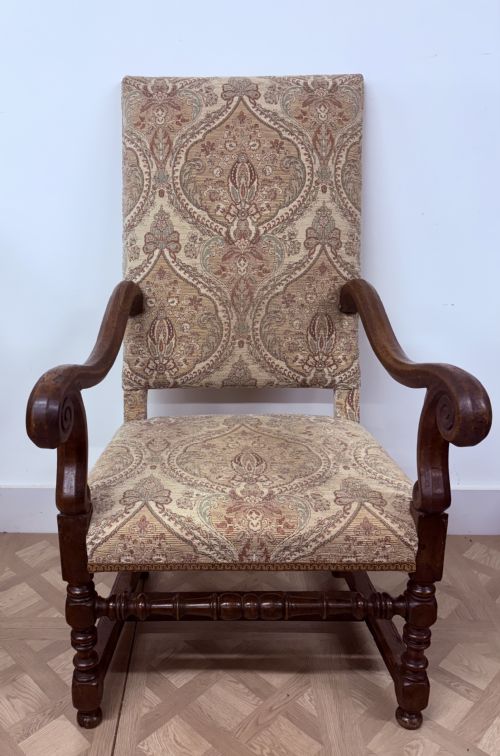
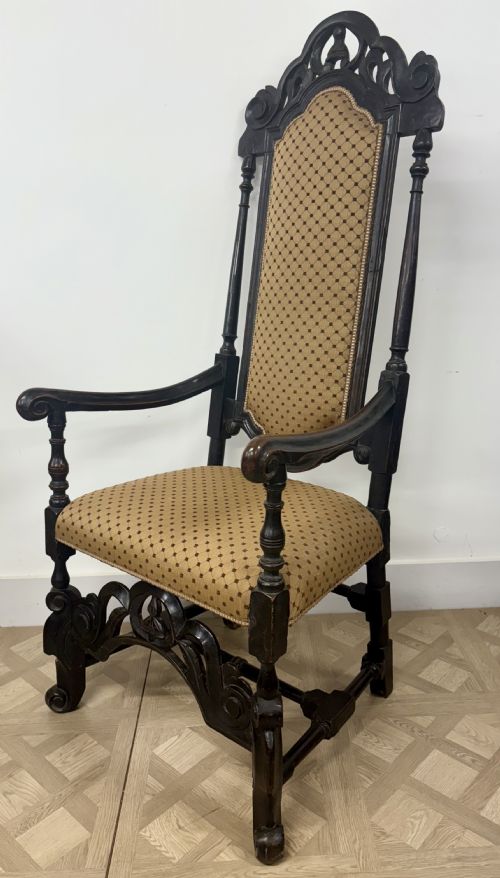
You will encounter English, French, Spanish, Italian, and Dutch origins across the listings, each displaying distinct regional carving traditions. Forms range from high-back scroll arm chairs to low elbow chairs upholstered in leather or fabric.
Materials and construction methods
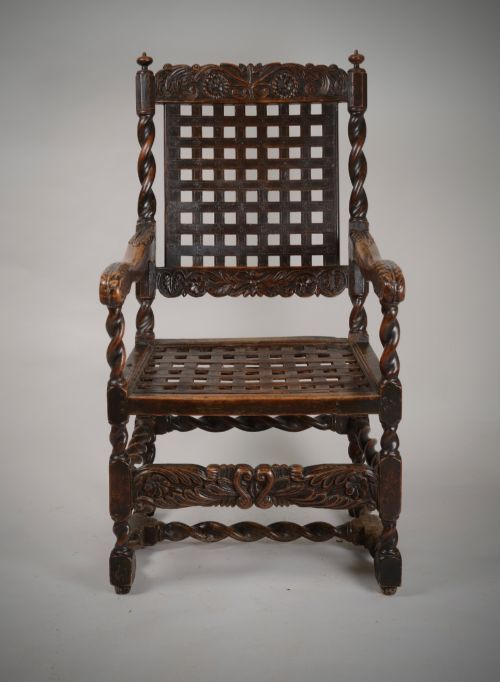
These armchairs rely primarily on solid walnut frames joined by mortise and tenon construction, frequently enriched with elaborate hand carving. Artisans integrated supporting elements like cane panels, brass fittings, and textile fringe to finish the seating.
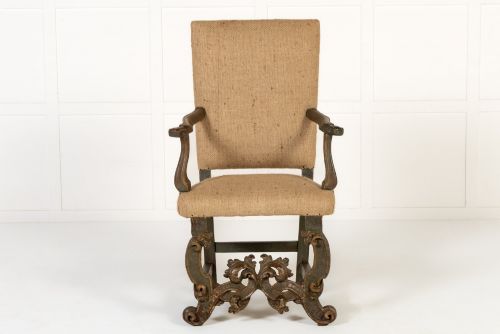
Upholstery methods varied from stretched leather secured with brass nails to luxurious velvet, fabric, and pink linen. Select pieces display surface decoration including parcel-gilt accents, gold leaf, and polychrome paint.
Early conversation chairs were deliberately shaped narrow so ladies wearing wide farthingale skirts could sit down without crushing their garments.
Assessing quality in early seating
Quality rests in the crispness of the hand carving and the structural integrity of the walnut frame. Pieces that retain their original timber surfaces without excessive later intervention command greater attention.
The harmony between the carved frame and the secondary materials, such as period textiles or leather, dictates the overall character. The integration of original elements elevates an example above heavily restored counterparts.
The 17th Century Walnut Armchair Glossary
- Carolean
- Pertaining to the reign of Charles II, marked by rich carving and scrolling woodwork. This style defines many English armchairs from the later seventeenth century.
- Cane
- Woven rattan material utilised for seat and back panels. It offers a lighter texture against heavy walnut frames.
- Parcel-gilt
- Partially gilded with gold leaf to highlight specific carved details. This treatment adds subtle metallic contrast to the dark timber.
- Elbow chair
- An alternative historical term for an armchair. It describes seating fitted with defined arm supports.
17th Century Walnut Armchair: Frequently Asked Questions
How do I date a walnut armchair?
Dating relies on examining the joinery methods, tool marks, and wear patterns visible on the timber frame. Stylistic cues such as scroll arms or turned legs further align the piece with specific reigns and decades.
Comparison with documented examples from the same region helps narrow the period of manufacture. Secondary materials like cane or upholstery also provide clues to the age of the construction.
Were these chairs used at dining tables?
Seventeenth-century armchairs typically served as status furniture rather than routine dining seats. They were placed in halls and parlours to denote the rank of the sitter.
Only heads of households or honoured guests used the armchairs, while others sat on simpler stools or joined chairs. Their solid walnut construction was meant to impress visitors rather than provide casual dining comfort.
How should I care for antique walnut?
Maintain walnut frames by keeping them away from direct sunlight and abrupt changes in room temperature. Environmental stability prevents the timber from drying out or splitting.
Apply a microcrystalline wax occasionally to nourish the surface and protect the historic patina. Avoid modern liquid polishes that can seep into open grain or damage aged finishes.