

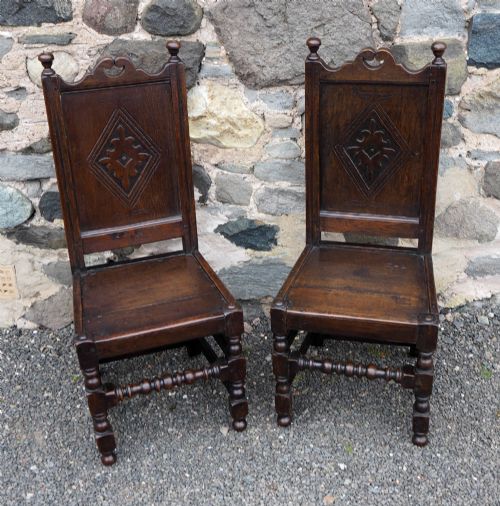

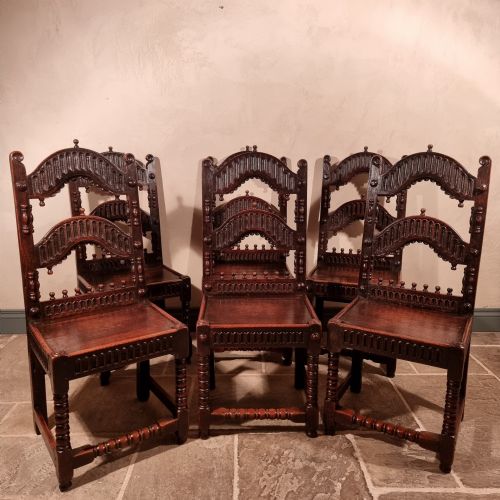


17th Century Turned Chair
A 17th century turned chair offers solid timber construction and historic joinery, bringing authentic seventeenth-century character into a modern interior.
17th Century Turned Chair
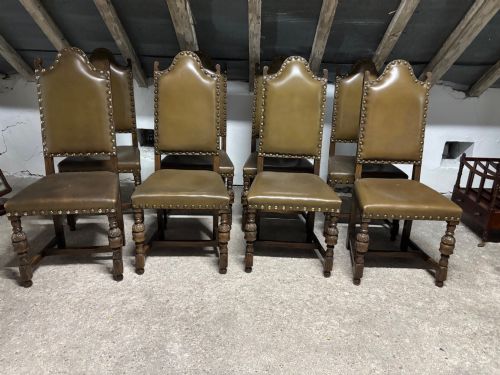
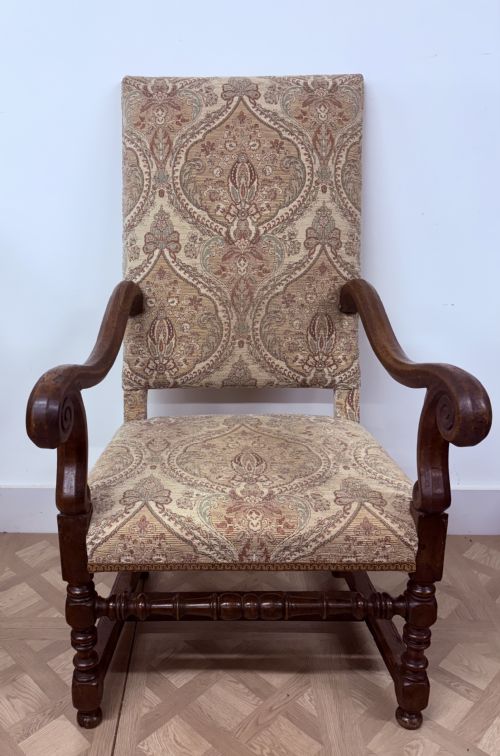
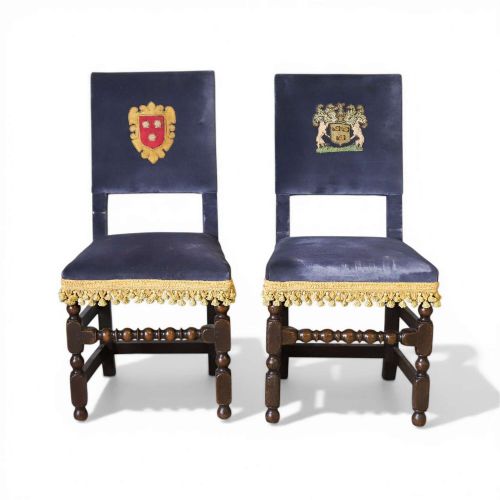
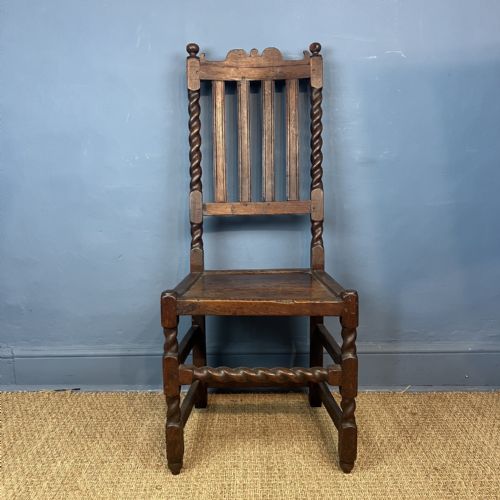
A 17th century turned chair is defined by structural framing shaped on a lathe, creating repeating patterns of balusters and spindles across the uprights, stretchers, and rails. These seating forms span armchairs, side chairs, and backstools produced in English, Scottish, and regional provincial workshops.
The selection on this page includes period examples alongside revival pieces from the nineteenth and early twentieth centuries. Original items sit alongside later interpretations that adopt the seventeenth-century vernacular.
Regional variations emerge across the listings, identifying distinct styles such as Yorkshire and Derbyshire forms alongside Lancashire and South Yorkshire backstools. These regional pieces reflect local turning traditions and specific timber supplies.
Materials and Construction
Makers relied primarily on native timbers, predominantly oak, walnut, ash, and laburnum, shaped by hand tools and pole lathes. Turners used seasoned hardwoods to ensure the stability of slender spindles and load-bearing legs.
Joinery depended on pegged mortise and tenon joints alongside box stretchers to brace the heavy frames. Caning, velvet, leather, and upholstery fabric appear on seats and backs where survival of original textiles or secondary seating surfaces permits.
Listings feature oak, walnut, ash, and laburnum timbers across periods spanning the seventeenth century to the twentieth-century revival movements.
Quality and Preservation
Quality rests in the crispness of the lathe work and the integrity of the original timber frame rather than applied surface decoration. The depth of the turnings and the balance of the structural proportions distinguish finer examples.
The extent of historic timber replacement and the survival of original surfaces govern the condition of each piece. Minimal intervention in the framing preserves the integrity of the construction.
The 17th Century Turned Chair Glossary
- Backstool
- An upholstered or solid-backed chair without arms, common in seventeenth-century domestic inventories. These pieces served as flexible seating around dining tables and parlours.
- Turned chair
- A seat constructed almost entirely from members shaped on a lathe rather than squared with a saw. The technique creates rhythmic profiles of rings and coves along the structural posts.
- Wainscot chair
- A heavy wooden armchair constructed with panelled backs and solid wooden seats. These items represent the more formal and costly seating of the period.
- Carolean
- Pertaining to the reign of King Charles II, marked by lavish walnut frames, scrolling foliage, and open cresting rails. This style succeeded the plainer Commonwealth period.
- Farthingale chair
- A wide, armless upholstered chair designed to accommodate the wide hoop skirts fashionable in the early seventeenth century. These low seats provided comfort for contemporary female attire.
17th Century Turned Chair: Frequently Asked Questions
How do I spot a genuine 17th century turned chair?
Examine the timber shrinkage, tool marks left by hand-turning, and the construction methods used in the joints. Pegs should show signs of age and manual shaping rather than modern uniformity.
Compare the framing proportions and wood patination against documented examples from the same region. Consistent wear patterns across high-touch areas help confirm period authenticity.
Where were turned chairs placed in a 17th-century home?
These chairs were reserved for the head of the household or important guests, typically positioned near the hearth or at the head of the dining table. Lesser chairs and joint stools served other family members and daily tasks.
As domestic comfort evolved, lighter side chairs and backstools multiplied in parlours and chambers. Their sturdy frames allowed them to be moved easily across flagstone and boarded floors.
Can I use an antique turned chair daily?
Most seventeenth-century and revival chairs handle careful everyday use if the joints remain tight and stable. Avoid placing them in direct sunlight or near heat sources that dry out old timber.
Periodic inspection of the stretchers and leg joints prevents unexpected movement during sitting. Professional conservation keeps the antique framing secure for modern weight.
What is the difference between a Carolean chair and a Jacobean chair?
Jacobean chairs date from the earlier seventeenth century and feature strict rectilinear forms, geometric mouldings, and sombre oak construction. They project a heavier, more austere architectural presence.
Carolean chairs reflect the restoration period under Charles II, introducing dynamic scrollwork, turned walnut stretchers, and cane panels. These later designs embrace continental baroque influences and lighter carving.