


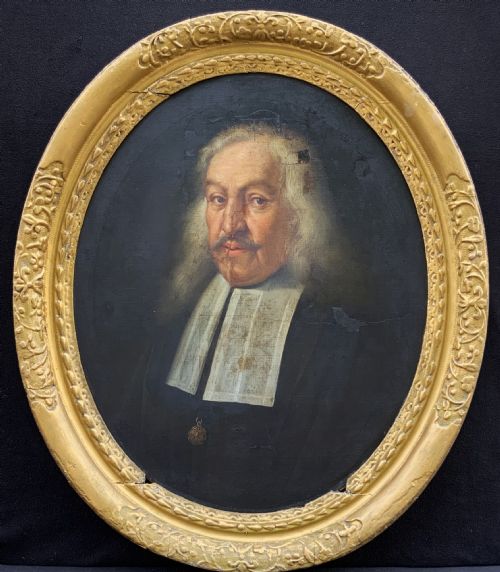

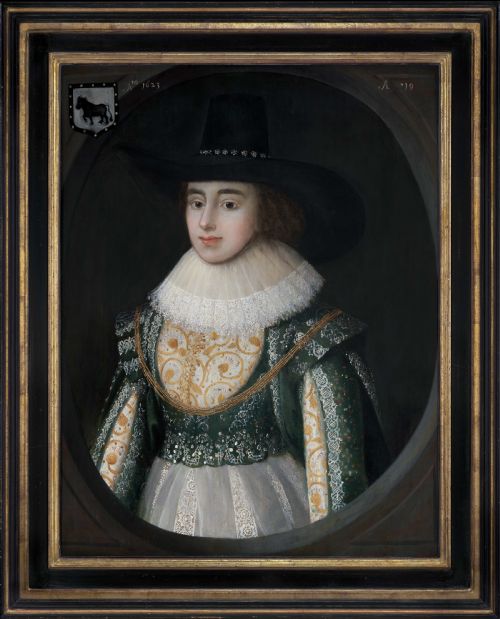
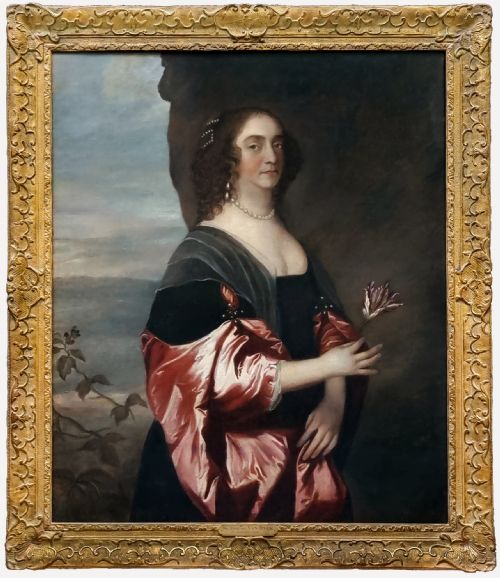
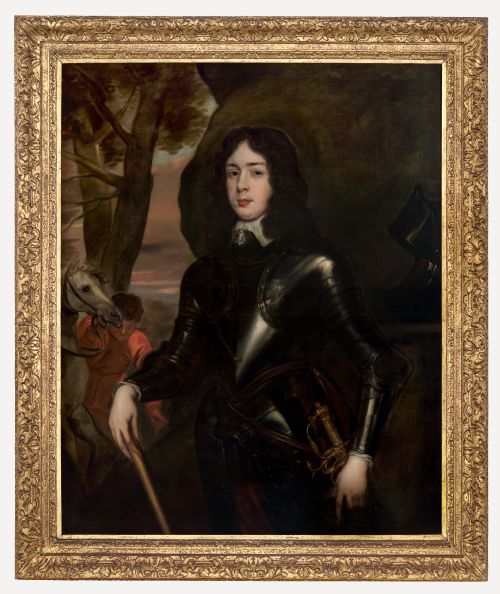
17th Century Style Painting
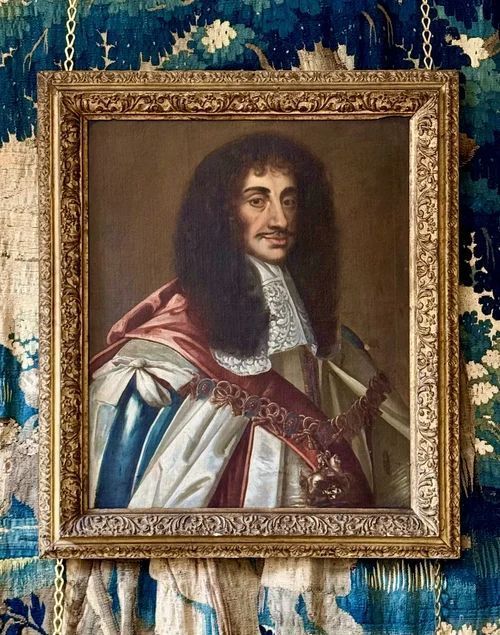
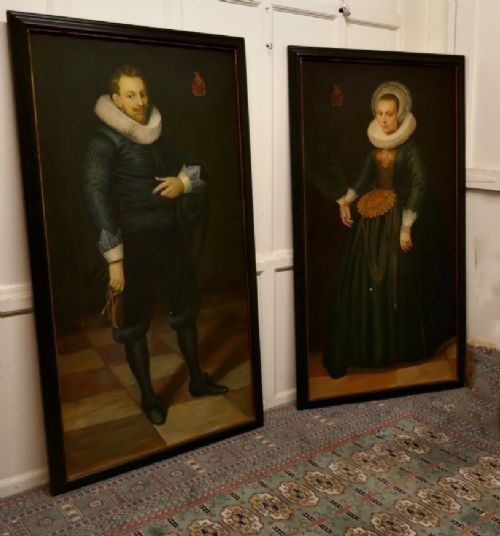
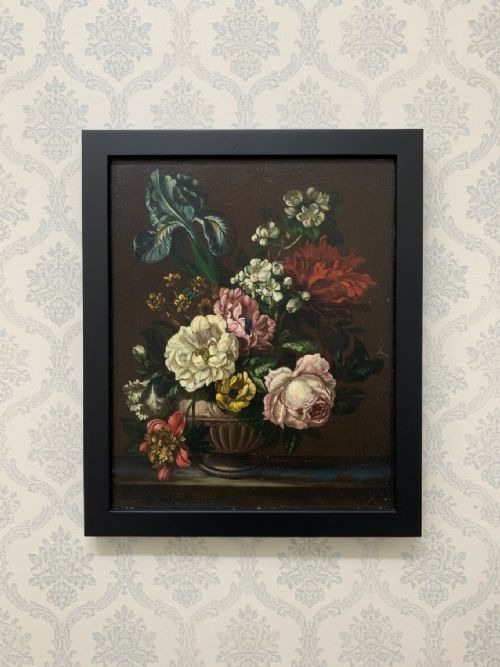
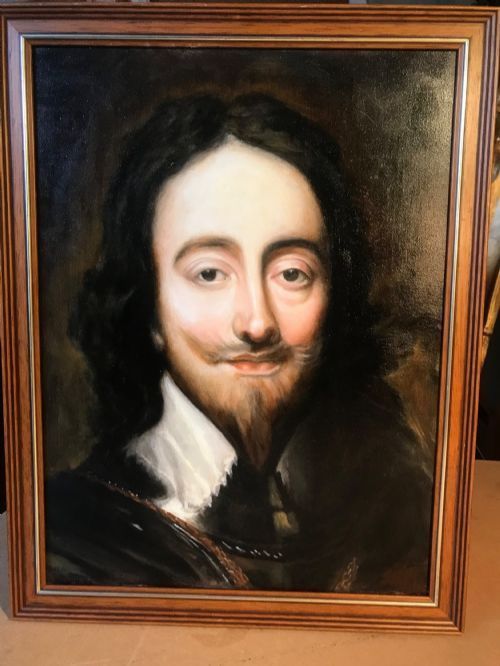
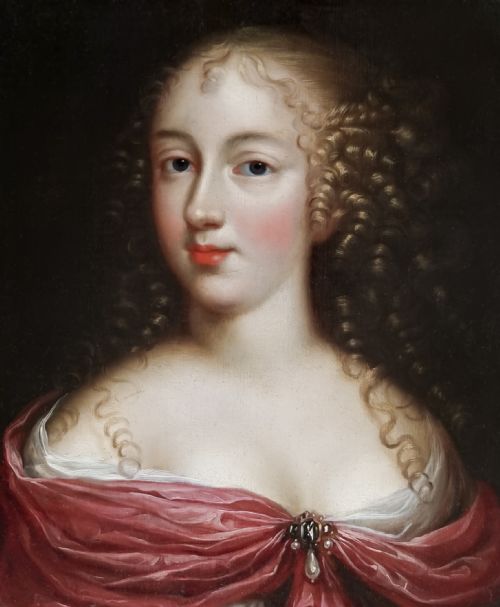
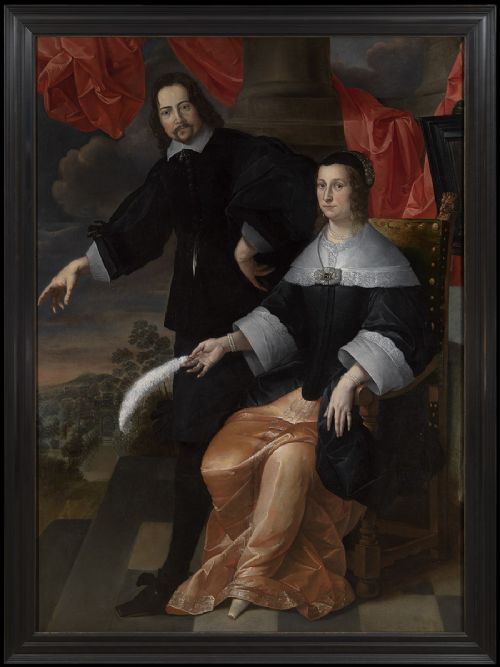
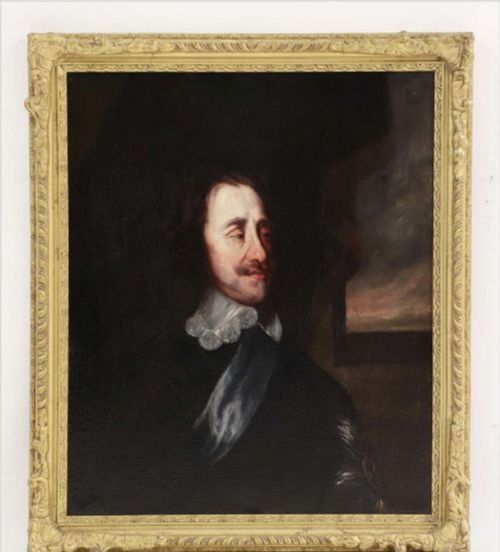
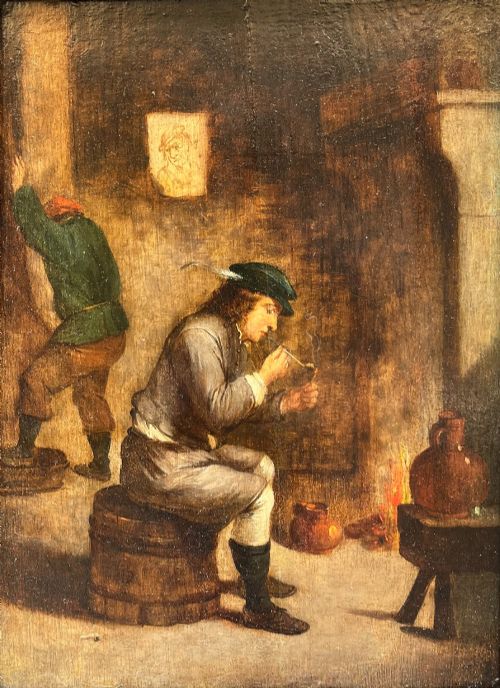
These 17th century style painting works bring heavy Dutch Golden Age and Flemish Baroque drama into a room.
17th Century Style Painting
A 17th century style painting covers oil paintings and fine art pieces spanning periods from the actual seventeenth century up through Regency times, 1800, 1920, and 1950. Buyers examining this page will most commonly meet oil paintings executed on wood panels or canvas supports.
The subjects on offer range from Dutch school still lifes and winter scenes to nocturnal portraits after Godfried Schalcken, village fete landscapes after David Teniers II, and works after Peter Paul Rubens. Archive pieces also demonstrate Spanish Baroque watercolour portraits and primitive nobleman portraits from the nineteen sixties.
Attributions connect individual pieces directly to historical figures like Simon Pietersz Verelst, whilst other works carry the stamp of studio output or follower styles such as the manner of Jan Fyt. These pieces suit collectors seeking dark, moody atmospheres and classical composition.
Materials and construction
The physical build relies heavily on oil paint applied to traditional supports of wood panels or canvas stretched across timber frames. Many pieces incorporate gilt elements within their framing to enhance the visual weight of the work.
Panel paintings utilise prepared wooden blocks, whereas later or alternative examples employ canvas surfaces for the oil medium. Frames constructed from timber give these works their structural borders.
17th Century Style Painting Retail Price Guide 2026
Typical asking prices for 17th century style painting among the pieces listed under this phrase on Sellingantiques today, from the lower quarter to the upper quarter. They describe what is for sale here now, not the wider market.
Listings feature works spanning the seventeenth century through to the nineteen fifties, utilising oil paint, wood panels, and gilt timber frames.
Assessing quality and execution
Quality separates through the subtlety of brushwork in fine art oil paintings and the fidelity of the composition to its Flemish Baroque or Dutch Golden Age inspiration. Works attributed directly to period hands or established studio circles carry deeper historical resonance than later interpretive pieces.
The handling of oil paint on panel versus canvas shows varying degrees of depth, particularly in nocturnal scenes and detailed still lifes featuring flowers and birds nests. Superior framing in gilt timber further elevates the presentation of the artwork.
Godfried Schalcken·Simon Pietersz Verelst·David Teniers II·Peter Paul Rubens·Jan Fyt
The 17th Century Style Painting Glossary
- Oil on canvas
- Pigment mixed with drying oil applied to a woven fabric stretched across a wooden support. This method became dominant for larger formats across multiple centuries.
- Wood panel
- A rigid flat wooden surface used as a base for painting before canvas gained widespread use. Panel supports appear frequently in early Dutch and Flemish works.
- Dutch Golden Age
- A period of notable artistic achievement in the Netherlands during the seventeenth century. Painters from this era focused on landscapes, still lifes, and domestic scenes.
- Flemish Baroque
- A style characterised by theatricality, dynamic movement, and rich colour palettes. Artists working in this tradition produced energetic religious and genre scenes.
- Gilt
- A thin layer of gold applied to the surface of a timber frame or decorative object. This finish adds reflective highlights that frame the dark tones of classical canvases.
17th Century Style Painting: Frequently Asked Questions
What is a 17th century style painting?
These works are oil paintings and fine art pieces created either during the seventeenth century or in later periods imitating that aesthetic. They typically depict Dutch and Flemish subjects including still lifes, portraits, and landscapes.
Buyers find everything from period works attributed to specific masters to twentieth century interpretations of baroque styles. Each piece captures the dark, dramatic lighting typical of the era.
How should I hang these paintings?
Hang these heavy oil paintings on sturdy walls using proper fixings suited to timber frames and gilt mouldings. Ensure the placement avoids direct sunlight to protect the oil paint and canvas.
Pairing these dark canvases with traditional wall colours enhances their moody atmosphere. Adequate accent lighting brings out the fine details in still lifes and nocturnal portraits.
Are these works painted on wood?
Many of these pieces utilise wood panels as a rigid support for the oil paint rather than woven canvas. Panel paintings often date to earlier periods or closely mimic traditional Northern European methods.
Canvas supports also appear frequently across the selection, especially in larger formats. Both materials require stable indoor humidity levels to prevent warping or cracking.
How do I spot a copy versus original?
Distinguishing works involves examining the handling of oil paint, the ageing of the wood panel or canvas, and any listed attributions. Pieces created after artists like Peter Paul Rubens or Godfried Schalcken are often later tributes rather than primary works by the master.
Archival records and stylistic markers help place a painting within the seventeenth century or later revival periods such as Regency or nineteen twenty. Close inspection of brush technique reveals the confidence of the execution.