
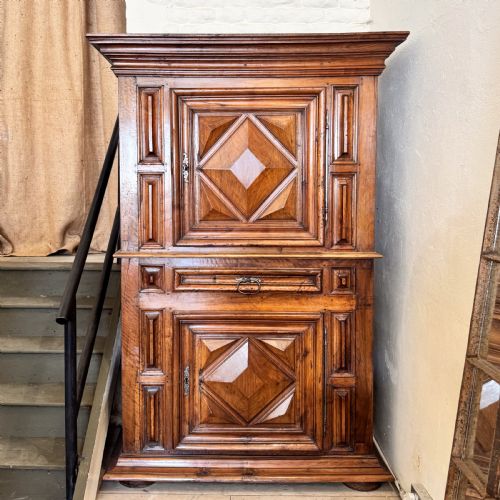

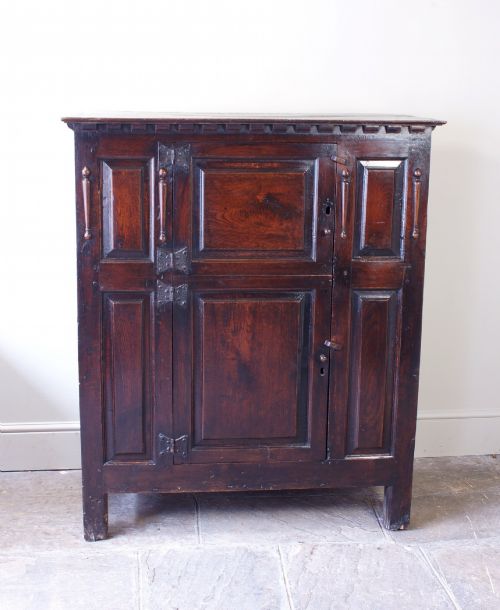


17th Century Storage Cupboard
A 17th century storage cupboard brings dense grain, architectural panels, and centuries of heavy use straight into a modern room.
17th Century Storage Cupboard
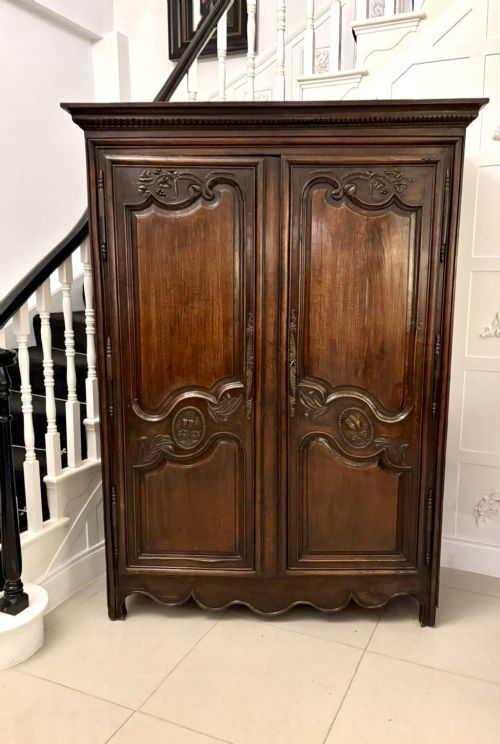
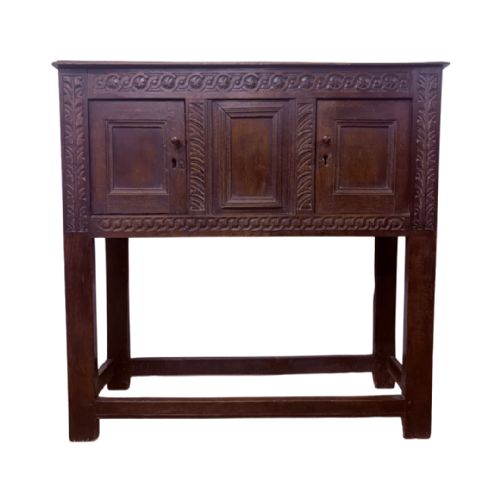
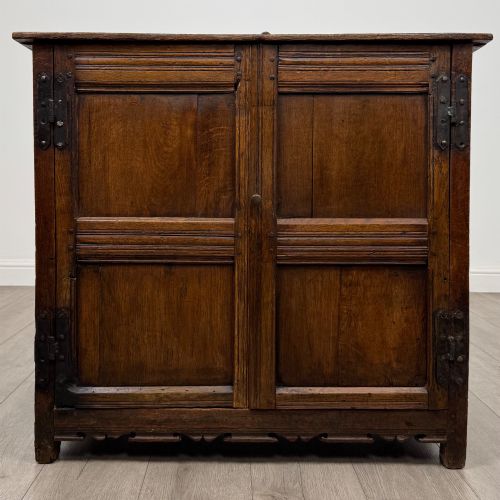
A 17th century storage cupboard encompasses heavy timber forms designed for domestic storage, ranging from court cupboards and hutches to armoires and cabinets on stands. Buyers seeking this phrase find vernacular case pieces intended for holding linen, food, or valuables in period homes.
The pieces on this page span genuine 17th century originals alongside later revival interpretations and associated styles like Jacobean, William and Mary, and French Provincial. English joined oak examples and continental walnut or olive wood variations dominate the forms available.
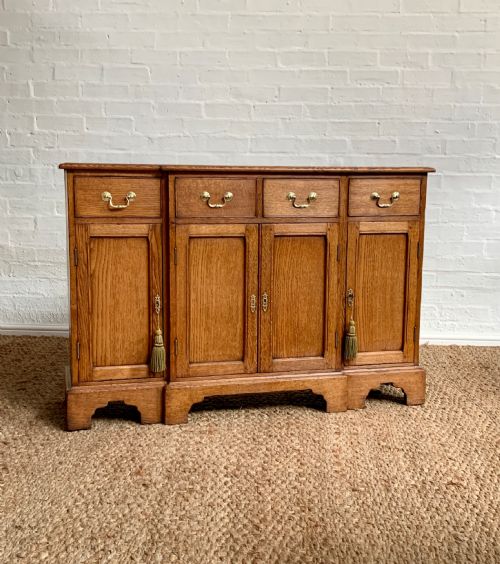
Makers produced these storage items primarily as utilitarian furniture before later centuries repurposed them as decorative focal points. Formats include low dresser base cabinets, tall livery cupboards, and intricate parquetry veneer cabinets on stands.
Evaluating Quality and Construction
Quality rests in the integrity of the primary timber and the crispness of the hand-carved panels, mouldings, and punchwork. Superior examples retain their original board backs, working locks, and authentic iron or brass hardware rather than later replacements.
The sophistication of the joinery distinguishes standard regional pieces from high-status commissions, particularly where complex oyster veneering or parquetry meets a matched stand. Surface patination achieved through generations of waxing indicates how well a piece has survived its working life.
Some early storage cupboards were built so solidly they doubled as panic rooms for securing family silver from passing highwaymen.
The 17th Century Storage Cupboard Glossary
- Court cupboard
- A traditional open or enclosed sideboard used for displaying plate and storing food during the seventeenth century. These usually feature tiered shelving or enclosed upper sections.
- Joined oak
- Furniture constructed using mortise and tenon joints secured with wooden pegs rather than metal nails. This method allowed the timber to expand and contract naturally.
- Oyster veneer
- Small cross-sections sliced from branch wood to create circular or oval patterns resembling oyster shells. This technique appeared frequently on late seventeenth-century walnut and olive wood cabinets.
- Parquetry
- Geometric patterns formed by fitting small pieces of veneered wood together on a surface. It adds decorative contrast to cabinet doors and drawer fronts.
- Hutch
- A simple enclosed storage cabinet featuring doors set into a box-like frame. Early vernacular examples often stood directly on the floor or on low feet.
17th Century Storage Cupboard: Frequently Asked Questions
How do I spot a genuine 17th century cupboard?
Examine the timber shrinkage, tool marks, and construction methods used inside the carcass and on the backboards. Hand-split panels and pegged mortise and tenon joints indicate period work rather than later machine production.
Compare the patination and wear patterns around handles and hinges with the overall style of the carving. Revival pieces from later centuries often employ softer proportions and machine-cut timber components.
Were these cupboards used in the kitchen?
Many early cupboards served utility roles in great halls or kitchens for storing provisions, trenchers, and metalware. Larger court cupboards functioned primarily to display wealth and hospitality through plate.
Smaller sideboards and hutches held domestic items close to hand in living quarters. Over time, changing domestic habits moved these heavy storage pieces into dining rooms and parlours.
How do I care for antique oak furniture?
Feed the dry timber occasionally with a traditional beeswax polish to maintain the surface sheen and protect the grain. Avoid placing heavy cupboards near direct heat sources or in fluctuating humidity.
Clean surfaces gently with a soft, dry cloth without using modern silicone sprays or harsh chemical cleaners. This preserves the natural patination built up over centuries.