



17th Century Prints
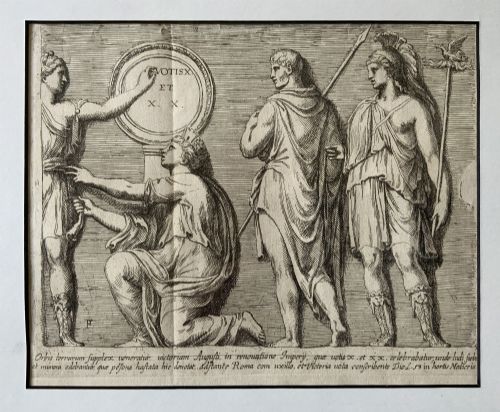
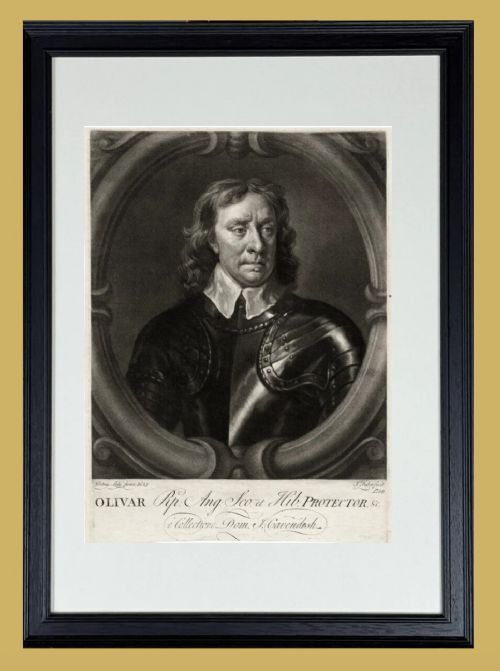
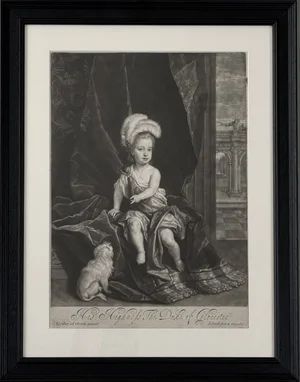
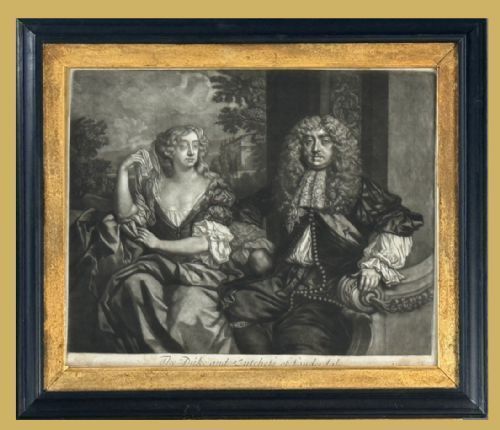
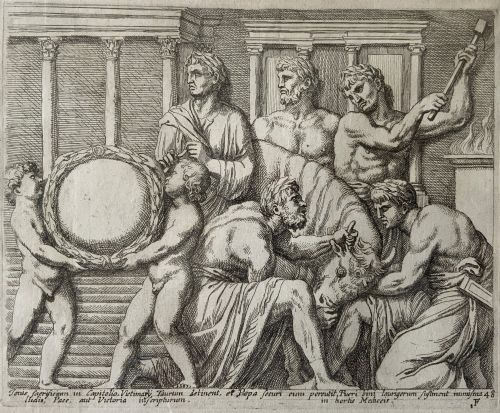
These 17th century prints encompass copperplate engravings, mezzotint portraits and cartographic maps held in period frames.
17th Century Prints
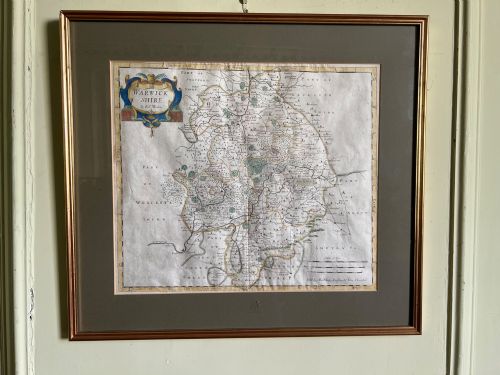
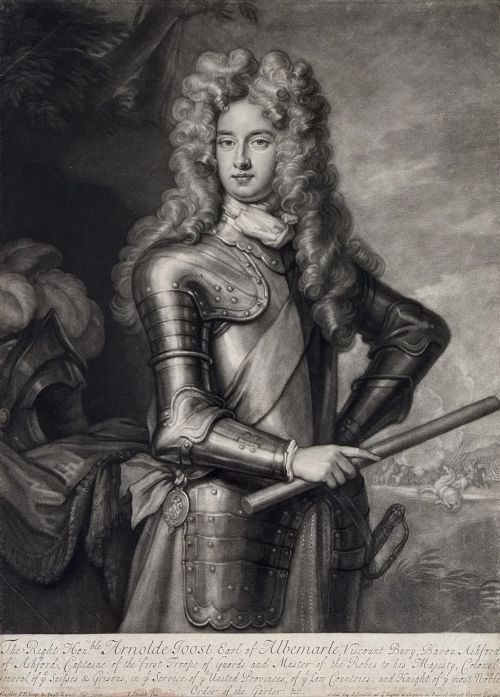
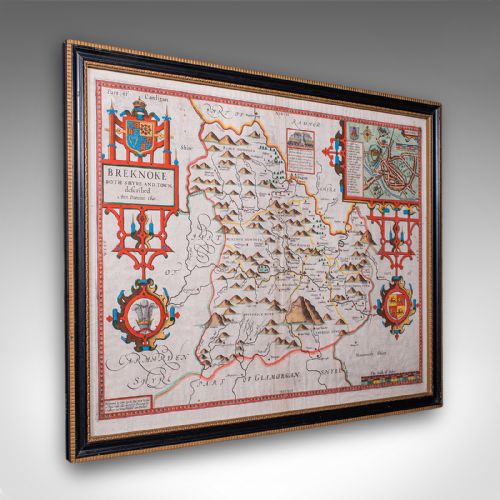
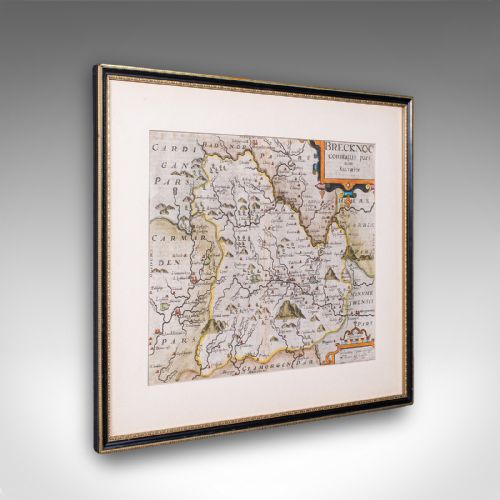
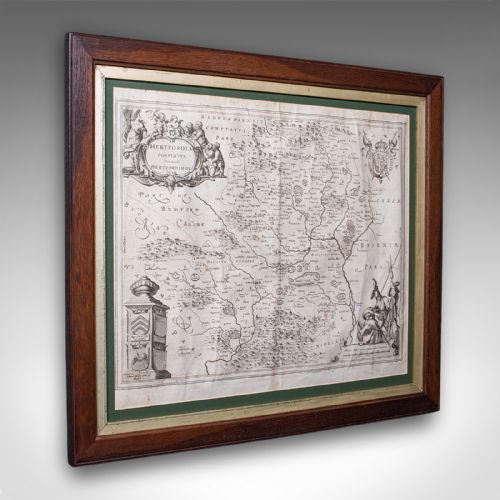
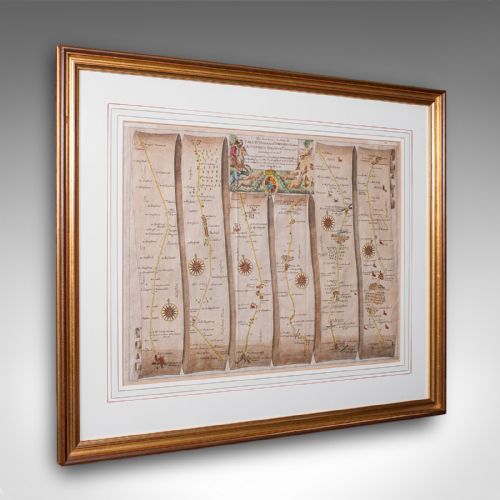
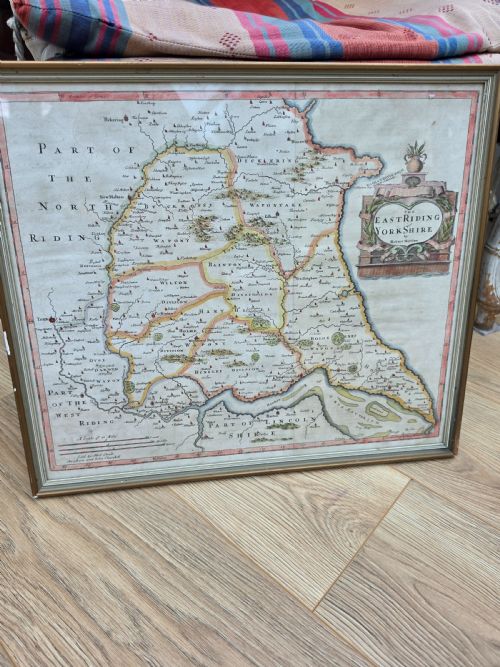
When searching for 17th century prints, a buyer encounters framed cartography, engraved portraits and antique book plates spanning the Jacobean, Carolean and Restoration periods. The selection frequently includes county maps by notable cartographers alongside mezzotint portraits rendered after prominent painters.
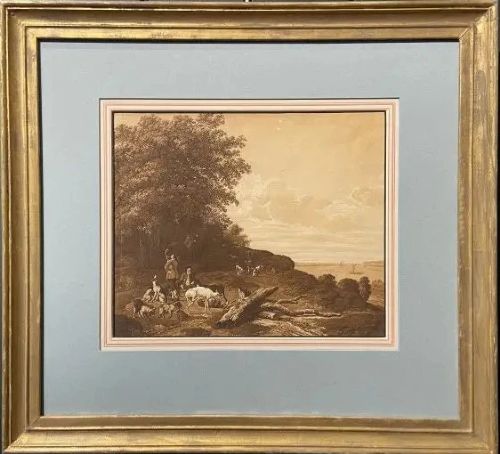
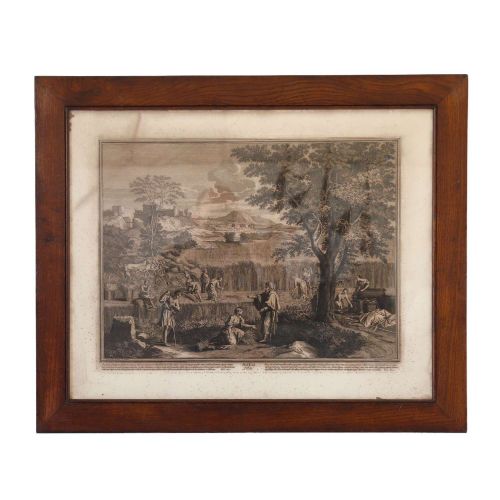
Engravings and etchings dominate the visual forms, often preserved in walnut frames alongside oil paintings and antiquarian books from the same era. These works bridge historic documentation and fine art, offering direct visual contact with the Baroque and Dutch Golden Age aesthetics.
Materials and production methods
The physical objects rely upon ink transferred from engraved copper plates onto laid paper, occasionally augmented with hand-applied watercolour. Selected examples utilise gold leaf detailing or are framed in oak and walnut.
Cartographic works and portraits alike depend upon skilled hand-printing techniques developed during the seventeenth century. The resulting impressions record fine lines and tonal gradations through the interaction of ink, paper and pressure.
17th Century Prints Retail Price Guide 2026
Typical asking prices for 17th century prints among the pieces listed under this phrase on Sellingantiques today, from the lower quarter to the upper quarter. They describe what is for sale here now, not the wider market.
Listings feature paper, ink, oak, walnut and gold leaf applied across wall art, framed maps and antiquarian books.
Distinctions in quality and execution
Quality rests upon the crispness of the plate impression and the preservation of the paper surface against toning and foxing. Early impressions retain sharp line work whereas worn plates yield muddied details.
The presence of original hand-colouring, period frames and strong provenance elevates specific examples above standard impressions. Condition of the margins on maps and engravings dictates the visual balance of the framed piece.
John Speed·Robert Morden·Jan Blaeu·John Smith·Johannes Janssonius·John Ogilby
The 17th Century Prints Glossary
- Mezzotint
- A printmaking process where the copper plate is roughened to produce dark tones and scraped to create highlights. This tonal method suited soft-focus portraiture.
- Cartography
- The science and art of making maps, heavily represented here by county and regional surveys. Seventeenth-century cartographic plates often incorporate decorative cartouches and heraldry.
- Engraving
- A technique where an artist cuts lines directly into a metal plate with a burin. The resulting incisions hold the ink for transfer to paper under high pressure.
- Etching
- A method where acid bites lines into a metal plate protected by a wax ground. This process allowed printmakers greater freedom of line than direct engraving.
- State
- The stage of a print's development determined by alterations made to the plate. Collectors track different states to date impressions accurately.
17th Century Prints: Frequently Asked Questions
How do I identify a genuine seventeenth century map?
Examine the paper characteristics, plate marks and typographic styles typical of the period. Genuine examples display indented plate borders and watermarked laid paper consistent with seventeenth-century production.
Cartographic details, place names and publisher imprints help anchor the map to a specific decade. Consulting reference catalogues confirms the cartographer and publication year.
Are these prints usually sold framed?
Many listings present these works within period wooden frames, such as walnut or oak mouldings. Framing styles often correspond to the era of the print.
Original or period-appropriate frames contribute to the historical integrity of the piece. Buyers should check whether the framing materials date alongside the artwork.
What is a mezzotint portrait?
A mezzotint is a tonal printmaking method that allows for smooth gradations of light and shade without reliance on line. It became popular for reproducing oil paintings.
Portrait subjects often included nobility, literary figures and military leaders of the period. These prints are valued for their velvety blacks and subtle tonal depth.
How should I care for antique paper prints?
Protect paper works from direct sunlight and high humidity to prevent fading and foxing. Acid-free mounting materials safeguard the paper during framing.
Displaying prints away from heat sources preserves both the ink and the structural integrity of the sheet. Professional framing ensures reversible mounting without damaging the margins.