





17th Century Porcelain
These pieces of 17th century porcelain bring together centuries of global trade, cobalt pigment, and diverse kiln traditions from China, Japan, Persia, and Europe.
17th Century Porcelain
When you search for 17th century porcelain, you encounter a global mix of vessels produced across Asian and European kilns during an era of maritime trade. The objects span utilitarian wares and decorative items, including chargers, bowls, jars, and brush pots.
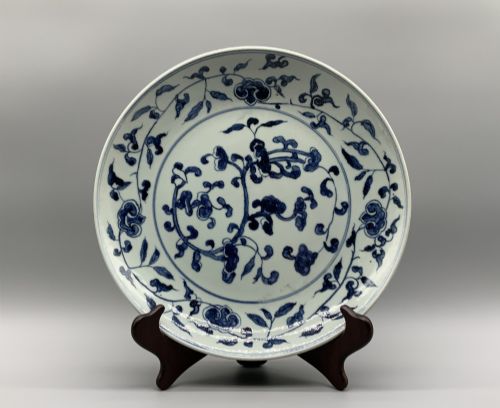
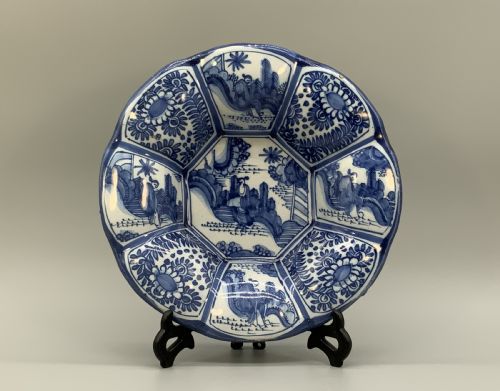
You are most likely to meet Chinese blue and white porcelain from the Kangxi and Ming periods, alongside Japanese Arita wares and Dutch Delft tin-glazed earthenware. These pieces reflect shifting international tastes and the steady refinement of ceramic bodies and mineral pigments.
Materials and production
Makers shaped ceramic bodies using native clays and porcelain stone before applying cobalt underglaze pigments or tin-glazes. Firing took place in wood or coal-burning kilns where temperature control dictated the vitrification of the paste and the depth of the blue colour.
Some works received secondary low-temperature firings to fix overglaze enamels, gold leaf, or iron red details onto the hardened glaze surface. This technique allowed workshops to layer rich palettes over the initial blue and white schemes.
17th Century Porcelain Retail Price Guide 2026
Typical asking prices for 17th century porcelain among the pieces listed under this phrase on Sellingantiques today, from the lower quarter to the upper quarter. They describe what is for sale here now, not the wider market.
Listings feature porcelain, tin-glazed earthenware, and enamel, spanning the 16th, 17th, 18th, and 19th centuries.
Distinctions in quality
The precision of the cobalt underglaze painting and the purity of the white ground separate standard domestic wares from exceptional pieces. Superior examples display confident brushwork and well-balanced compositions that sit harmoniously across complex vessel forms.
Control over the kiln atmosphere and glaze application determines the clarity of the finished surface. Finer pieces maintain smooth, even glazes without excessive pooling or distortion, preserving the crisp integrity of the modelled clay beneath.
The 17th Century Porcelain Glossary
- Kraak porcelain
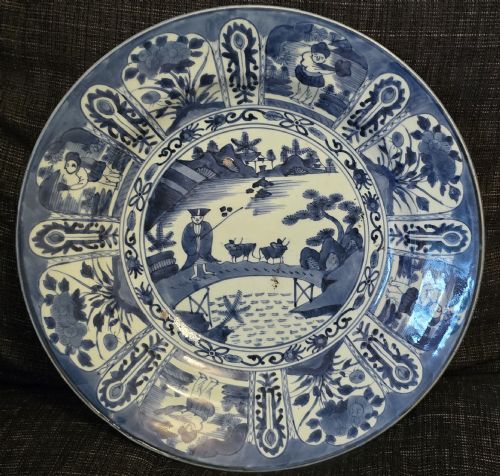
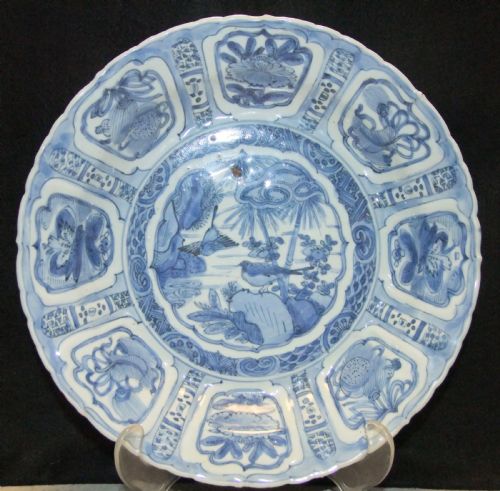
- Chinese export porcelain characterised by panelled borders and central motifs of flora and fauna, widely traded by European maritime companies.
- Imari palette
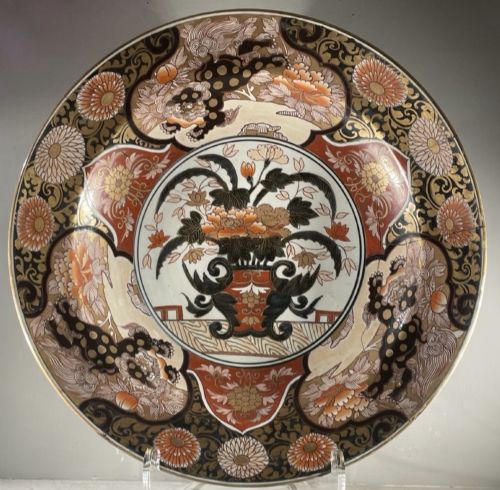
- A Japanese decorative style combining underglaze blue with iron red, black, and gold overglaze enamels.
- Tin-Glazed Earthenware
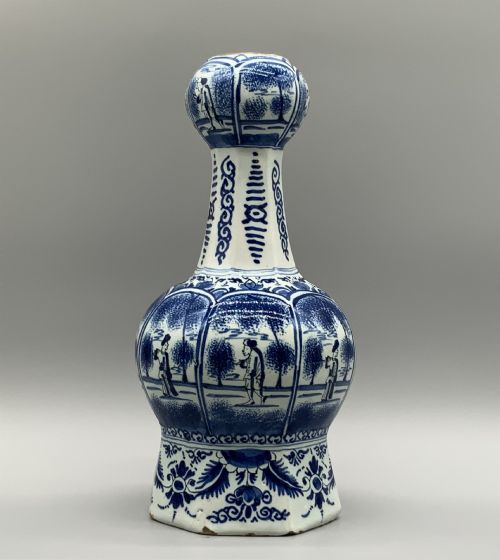
- Pottery coated with an opaque white tin glaze that serves as a canvas for painted decoration, seen notably in Dutch Delft.
- Bitong
- A cylindrical brush pot used by scholars to hold writing implements, commonly executed in porcelain during the Kangxi period.
- Wucai
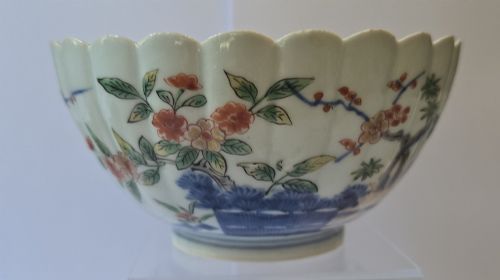
- A polychrome ceramic technique meaning five colours, utilising underglaze blue alongside contrasting overglaze enamels such as green and red.
17th Century Porcelain: Frequently Asked Questions
How were these vessels used?
Many of these pieces functioned as utilitarian containers for wine, water, or dry goods, while others served scholar's desks as brush holders or water pots. Larger chargers and dishes were primarily created for display on European sideboards and walls.
Over time, vessels like jars and vases shifted from storage containers to decorative centrepieces within elite interiors. Some items eventually found new purposes in later centuries, such as Japanese vases converted into household lamps.
How do you date 17th century porcelain?
Dating relies on stylistic markers, reign marks, and the chemical composition of the glazes and pigments. Cobalt tones shift from the greyish-blues of earlier transitional periods to the vibrant sapphire hues of the Kangxi era.
Form, potting thickness, and foot-rim characteristics also provide vital clues to the specific decade of production. Comparative analysis with dated shipwrecks and kiln excavations helps narrow the timeline further.
Where were these pieces made?
The pieces originate from major ceramic centres across Asia and Europe, including the imperial kilns of Jingdezhen in China and the Arita kilns in Hizen province, Japan. Other notable origins include Persian workshops and European earthenware centres like Delft in the Netherlands.
Export networks distributed these regional productions globally through maritime trade routes operated by East India companies. This international exchange brought Asian aesthetics into direct contact with European domestic tastes.