





17th Century Plate
A 17th century plate brings tangible domestic history to a wall or table through enduring metal and glazed ceramic forms.
17th Century Plate
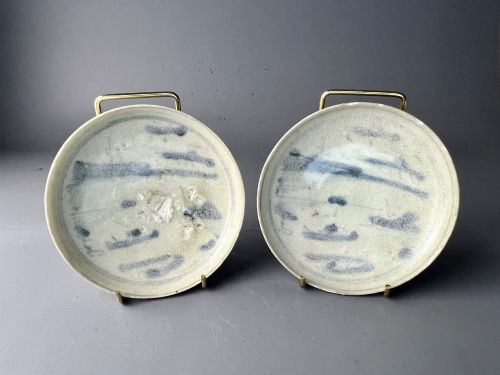
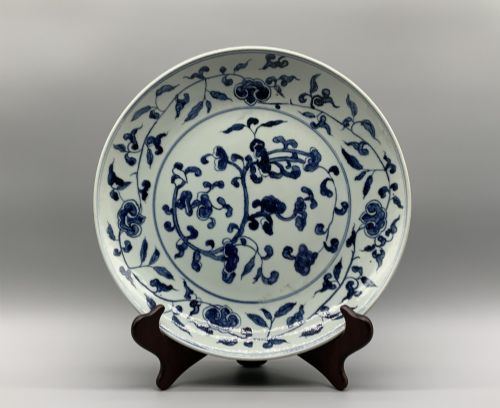
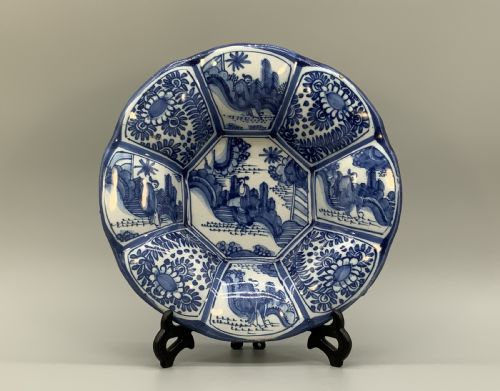
A 17th century plate encompasses substantial pewter chargers, tin-glazed earthenware dishes, and blue and white porcelain vessels from European, Chinese, and Japanese kilns.
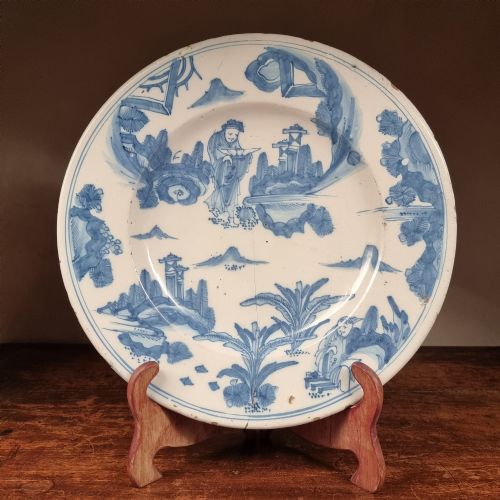
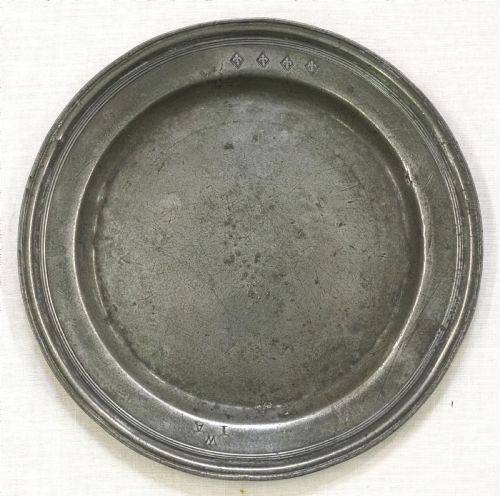
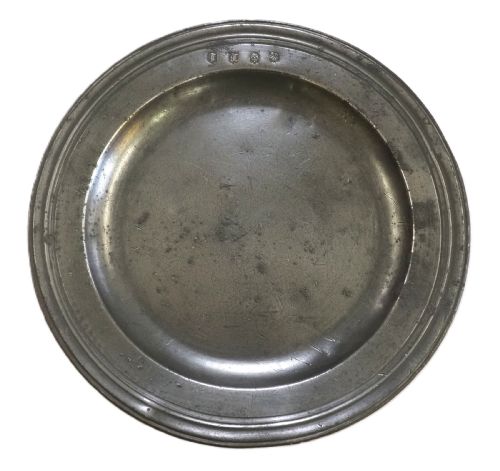
Buyers seeking this phrase encounter wide English pewter chargers bearing maker touchmarks alongside Dutch delft plates painted in the Kraak style and imported East Asian porcelain.
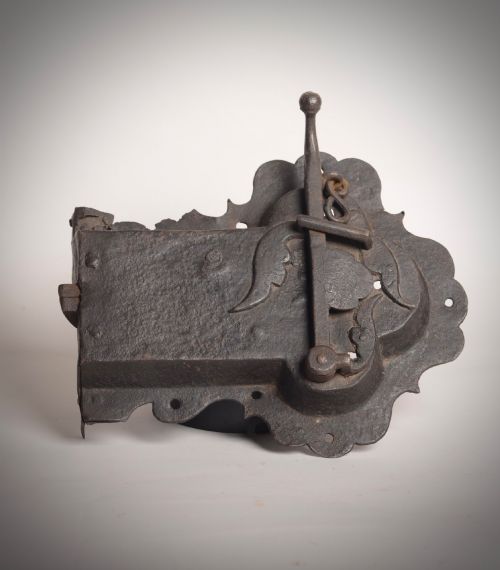
Domestic items such as platters and chargers dominate the selection, sitting alongside occasional architectural salvage and decorative dishes dated to the period.
Materials and Construction
Pewter pieces rely on metal casting and hand hammering, leaving circular tool marks across broad rims and flat bases.
Ceramic examples combine earthenware or porcelain bodies with tin-glaze or cobalt pigment underglaze, fired in kilns to fix painted foliate and Chinoiserie motifs.
Moulding and turning techniques shape the shallow relief of plates and dishes, while cobalt pigment provides the characteristic blue decoration on delft and oriental wares.
Materials recorded span tin-glazed earthenware, cobalt pigment, hammered pewter, and walnut timber across various domestic forms.
Distinctions in Quality
The standard of a pewter charger rests in the clarity of the maker touchmark, the weight of the metal, and the crispness of reeded rims.
Ceramic quality is judged by the depth of the cobalt pigment, the precision of the painted scrolling foliate border, and the stability of the glaze.
Provenance and familial heraldry, such as engraved family crests on broad rims, elevate individual pieces above standard utility wares.
John Tubb·Robert Moulins II·Thomas Templeman·Lawrence Dyer·Thomas Haward·Thomas Powell·Nehemiah Cloudesley
The 17th Century Plate Glossary
- Charger
- A large ornamental or serving plate, often measuring significant diameter and displayed on walls or sideboards. These substantial vessels form the core of early metal and ceramic collections.
- Tin-Glazed Earthenware
- Pottery covered with a white tin oxide glaze that provides an opaque surface for painted cobalt designs. This technique unites English and Dutch delftware production.
- Kraak Style
- Chinese export porcelain featuring panelled blue and white decoration depicting floral and aquatic subjects. Originating in the Ming dynasty, it heavily influenced European delftware copies.
- Touchmark
- An indented stamp or hallmark applied by a pewterer to certify metal purity and workshop origin. These marks allow researchers to attribute pieces to specific craftsmen.
- Reeded Rim
- A border decorated with parallel raised bands or mouldings circling the edge of a plate. Pewter chargers frequently employ single, triple, or multiple reeding for structural rigidity and ornament.
17th Century Plate: Frequently Asked Questions
How were pewter chargers used?
Pewter chargers served as substantial serving platters for communal dining tables in prosperous households during the seventeenth century. Their heavy metal construction allowed them to withstand daily handling before transitioning to wall display.
Over time, families displayed these large plates on dresser racks or walls to demonstrate status and wealth through polished metal surfaces.
What is Dutch delft?
Dutch delft refers to tin-glazed earthenware produced in the Netherlands, heavily inspired by imported Chinese blue and white porcelain. Potters applied white glazes over buff earthenware bodies before painting floral and figurative scenes in cobalt.
These pieces brought exotic East Asian aesthetics into European homes through locally accessible ceramic production.
How do I identify a touchmark?
Touchmarks are small stamped symbols impressed into the pewter surface by the maker or guild to indicate standard purity. They typically feature initials, heraldic devices, or trade symbols specific to the craftsman.
Locating these marks on the rim or base helps attribute the piece to a named workshop and approximate decade.
Where should I display a charger?
Chargers suit wall mounting using specialised wire hangers or placement upright on sturdy oak dressers and sideboards. Their generous diameters and decorated rims draw the eye when supported securely at eye level.
Ensuring stable backing protects the soft pewter or brittle ceramic edges from accidental knocks.