


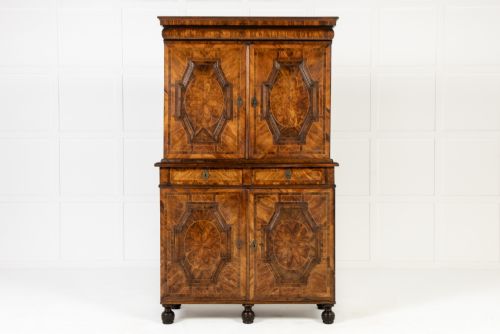


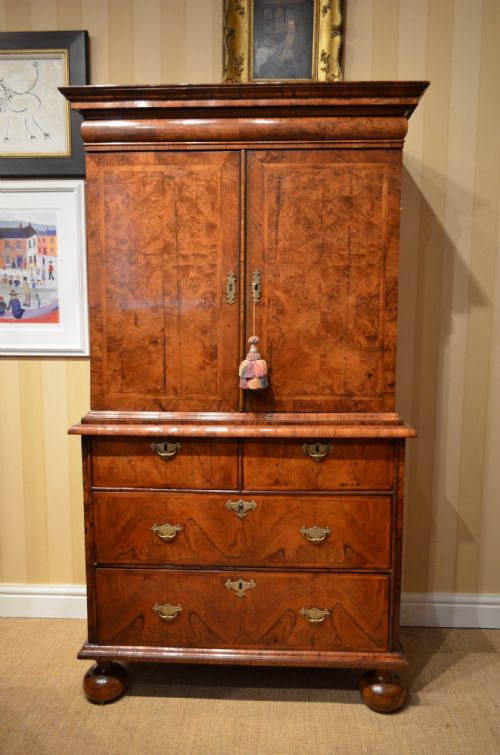

17th Century Linen Press
These robust pieces known as a 17th century linen press offer substantial storage and grand proportions, crafted to house textiles in style.
17th Century Linen Press
A 17th century linen press encompasses heavy oak and walnut press cupboards, armoires, and cabinets on chests designed for storage. Buyers searching for a 17th century linen press will find substantial case furniture spanning regional styles like William and Mary, Dutch Baroque, and French Provincial.
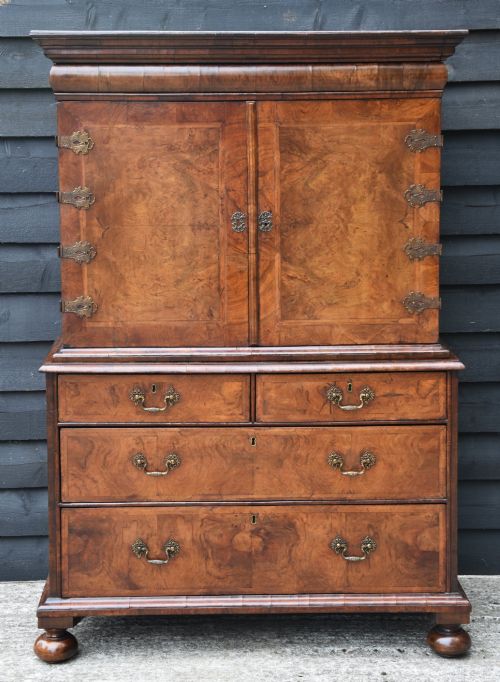
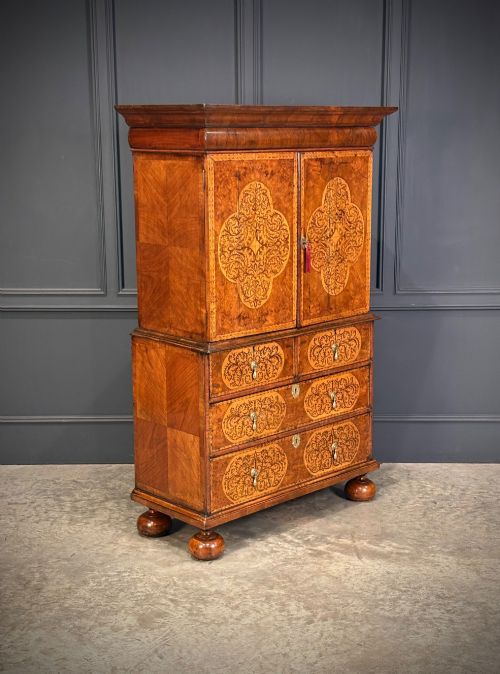
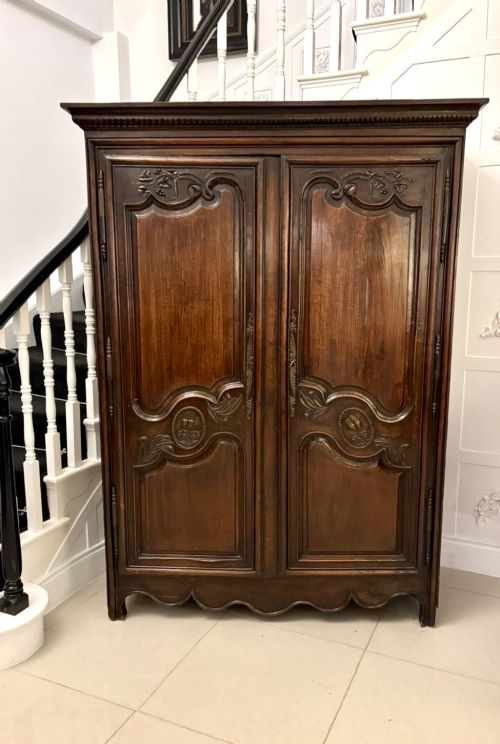
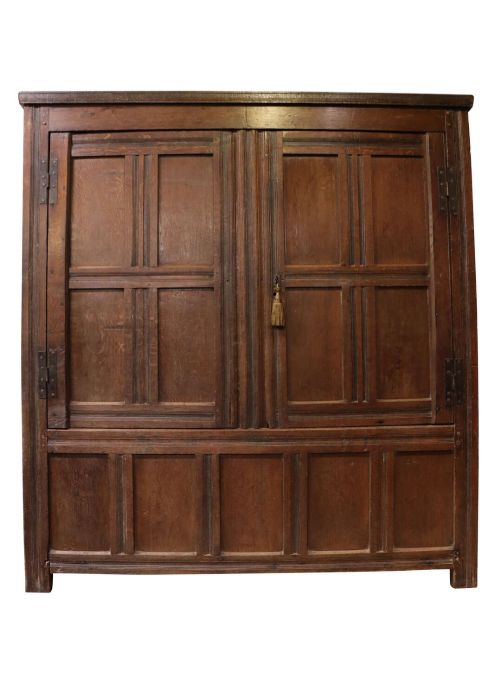
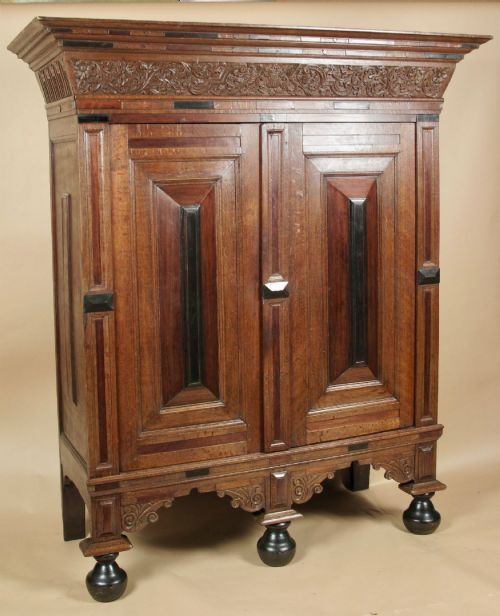
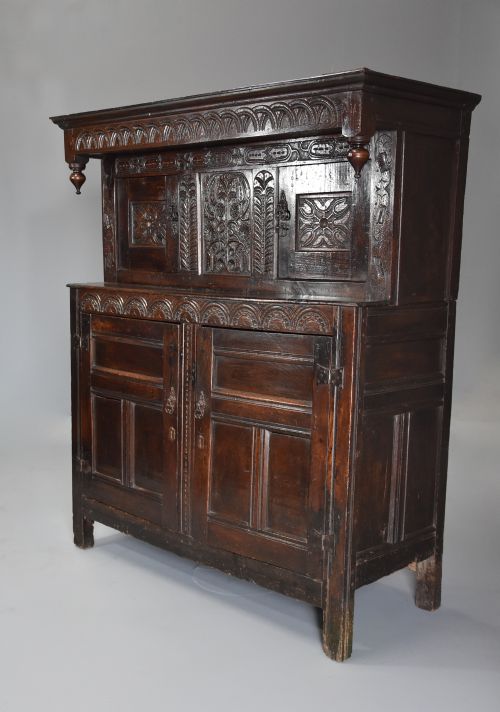
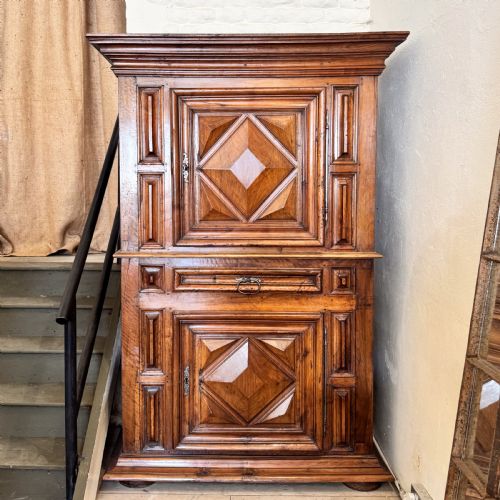
The versions most commonly met on this page include carved oak press cupboards and walnut cabinets on chest. These substantial forms display the architectural detailing and deep panelling typical of the period.
Origins vary across England, Wales, France, Spain, Italy, and the Netherlands. Regional preferences dictate whether a piece takes the form of a Dutch kussenkast or a Welsh press cupboard.
Assessing quality
The hierarchy of quality rests upon the crispness of the hand-carving and the selection of timber veneers. Pieces featuring finely figured burr woods or intricate mouldings sit at the higher end of the range compared to plain structural carcases.
The survival of original surface patination and untouched hardware significantly elevates a piece. Altered timber or replaced mounts shift examples down the scale.
17th Century Linen Press Retail Price Guide 2026
Typical asking prices for 17th century linen press among the pieces listed under this phrase on Sellingantiques today, from the lower quarter to the upper quarter. They describe what is for sale here now, not the wider market.
Object forms appearing here span press cupboards, armoires, Dutch kussenkasts, and tiered cabinets on chests originating across Britain and continental Europe.
The 17th Century Linen Press Glossary
- Press cupboard
- A large storage furniture piece featuring upper and lower compartments traditionally used for storing household linen and garments. These forms often incorporate deep interior depth and heavy panelled doors.
- Kussenkast
- A large Dutch wardrobe or cabinet characterised by cushion-moulded drawer fronts and doors. The term translates directly from the Dutch relating to its padded appearance.
- Oyster veneer
- Thin circular slices cut across small branches or roots of timber to create an interlocking pattern resembling oyster shells. This technique required high skill to lay smoothly across walnut surfaces.
- Cabinet on chest
- A case furniture form consisting of an upper cabinet sitting upon a lower chest base of drawers. William and Mary examples frequently utilise this tiered configuration.
- Polychrome
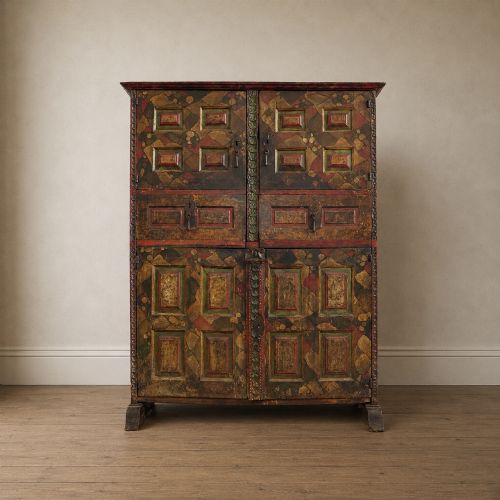
- Decoration employing multiple colours applied to the surface of wood. This technique appears on specific regional painted housekeeper cupboards.
17th Century Linen Press: Frequently Asked Questions
What is a 17th century linen press used for?
These large pieces served primarily to store household textiles, folded linen, and garments before dedicated fitted wardrobes became common. The deep internal shelving and lower compartments provided dry, secure storage away from household dust.
Today, they function as striking statement storage in modern interiors, easily holding clothing, linens, or serving as a living room media cabinet.
How do I identify William and Mary style?
William and Mary pieces date towards the end of the seventeenth century and introduce Dutch and continental influences following the English throne succession in 1689. Look for geometric veneer patterns, oyster cut timber, and elegant stands supporting heavy upper cabinets.
These items often feature sophisticated walnut or burr timber surfaces supported by turned legs connected by shaped stretchers.
Are these pieces made entirely of solid oak?
While early seventeenth-century examples rely heavily on solid English or European oak, many continental cabinets incorporate secondary softwoods beneath decorative hardwood veneers. Walnut, rosewood, and ebony appear frequently as surface treatments over carcase timbers.
Examining the interior construction reveals whether the timber is solid throughout or utilised as a veneered substrate.
How should I care for an antique oak press?
Maintain these heavy timber pieces by placing them away from direct heat sources and sudden temperature fluctuations. Regular dusting with a dry, soft cloth preserves the historic surface without stripping the natural patina built up over centuries.
Occasional application of traditional beeswax helps nourish old wood and maintains the moisture balance of dry seventeenth-century oak.