


17th Century Door
A 17th century door provides immediate tactile history, bringing heavy oak, forged iron and centuries of daily use directly into a modern interior.
17th Century Door
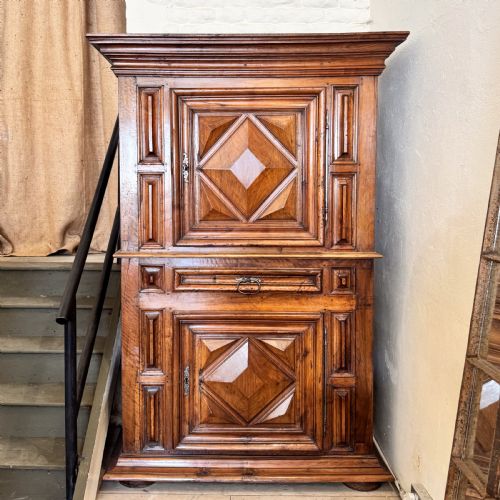
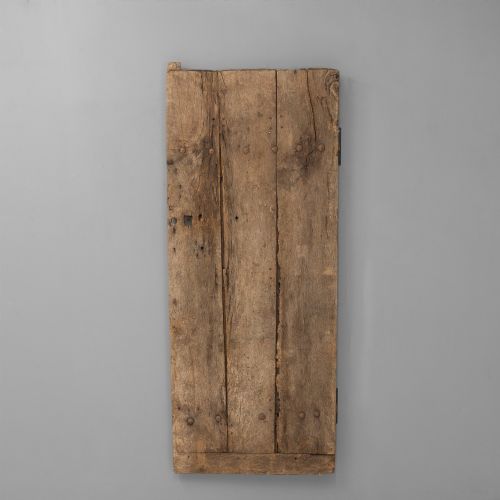
When searching for a 17th century door, a buyer encounters heavy timber examples originating from English, French, Spanish and Italian sources. These architectural pieces often display deep panelled construction, rustic country surfaces or formal baroque carving.
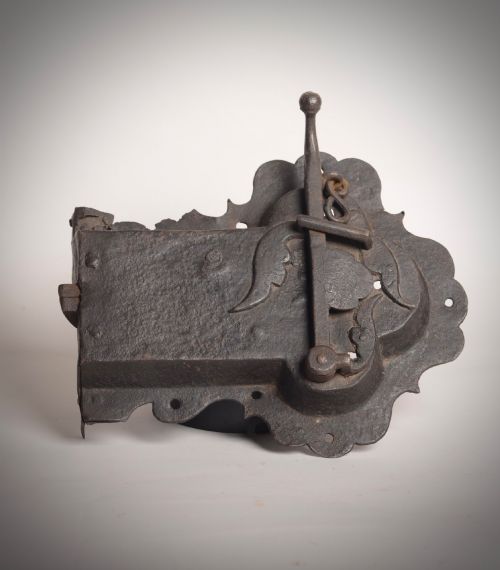
While complete doorways appear alongside architectural salvage, buyers frequently meet related hardware such as decorative bronze knockers, iron rim locks, spring bolt latches and massive handles. Oak dominates the surviving examples, supported by walnut and iron elements.
The selection ranges from simple studded internal barriers to substantial exterior portals and carved panels. Period variations span from early seventeenth century styles through William and Mary interpretations to later architectural salvage.
Materials and construction methods
Carpenters constructed these doors primarily from solid oak or walnut, utilising heavy planks joined with pegged mortise and tenon framing. Iron and wrought iron provided structural strap hinges, while brass and bronze formed decorative door knockers and functional lock furniture.
Surface decoration relied on hand carving, including diamond point patterns, linenfold or parchemin panels, and applied mouldings. Master craftsmen shaped the timber using adzes and pitsaws, leaving tool marks that remain visible beneath centuries of patination.
Listings feature oak, walnut, brass, iron and bronze across periods from the seventeenth century through to Victorian interpretations.
Judging quality and authenticity
Quality rests in the integrity of the original timber and the survival of period-correct ironmongery such as rim locks and hinges. Original surface patination, deep wax polish and untouched tool marks distinguish superior examples from heavily restored or later constructed pieces.
The crispness of hand carving in panels and overdoor sections separates standard utility pieces from masterwork output. Proportion, timber selection and structural stability dictate the standing of each door within the broader historical record.
Edward Pearce
The 17th Century Door Glossary
- Rim lock
- A mechanical locking mechanism housed in a metal box attached to the surface of a door rather than mortised into the edge. These heavy iron units often feature decorative brass plates.
- Parchemin panel
- A type of Gothic wood carving resembling folded parchment or linen, frequently seen on early cabinet doors and wall panelling. It creates a subtle relief effect across the timber surface.
- Studded door
- A heavy plank construction featuring rows of iron or bronze nail heads driven through the front face for added structural strength and visual impact. These sturdy portals served principal entrances.
- Architectural salvage
- Building components rescued from demolition or restoration projects for reuse in new settings. This category includes complete doors, overdoor panels and period hardware.
- Patination
- The natural sheen and colour developed on wood and metal surfaces through age, handling and polishing. This desirable quality accumulates slowly over hundreds of years.
17th Century Door: Frequently Asked Questions
How do I hang a heavy antique door?
Hanging a heavy timber door requires substantial iron strap hinges fixed securely into a reinforced structural frame to bear the considerable weight of the solid wood.
Professional installation ensures the door hangs true without sagging over time, accommodating the natural seasonal movement of historic oak or walnut.
Can I use an antique door externally?
Using an old door on an exterior entrance depends on its original construction and current timber condition, though many heavy oak examples served this exact purpose originally.
Weatherproofing requires careful treatment with traditional oils or waxes to protect the ancient wood and iron hardware from moisture damage.
How do I clean old oak and iron?
Cleaning historic timber requires gentle dusting and occasional application of beeswax to nourish the dry wood without stripping the accumulated historical patination.
Metal components like bronze knockers and iron latches benefit from light surface cleaning using soft brushes, leaving the aged oxidation intact.
How do I date a 17th century door?
Dating relies on examining construction techniques, tool marks from pitsaws or adzes, joinery methods, and the style of any carved panels or mouldings.
Associated hardware such as rim locks and spring bolt latches also provides clear stylistic clues pointing to specific decades within the seventeenth century.