



10 Seater Table
When seating a large company becomes necessary, a 10 seater table provides the surface and presence required for traditional dining.
10 Seater Table
A 10 seater table serves large gatherings, appearing primarily in extending formats designed to accommodate guests comfortably. These pieces span formal dining rooms and rustic kitchens alike, offering substantial dimensions suited to communal meals.
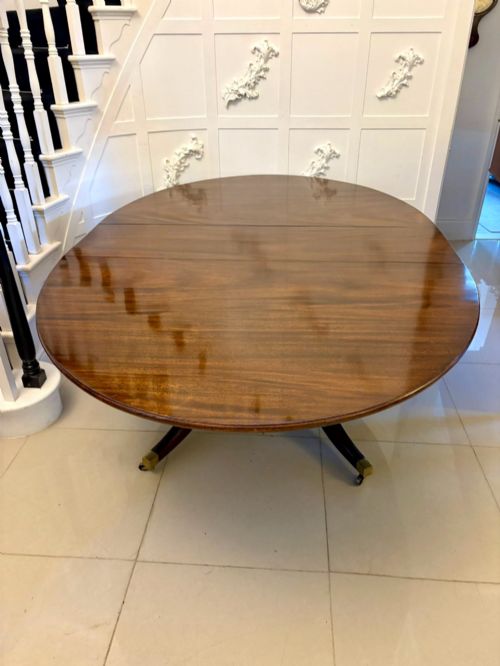
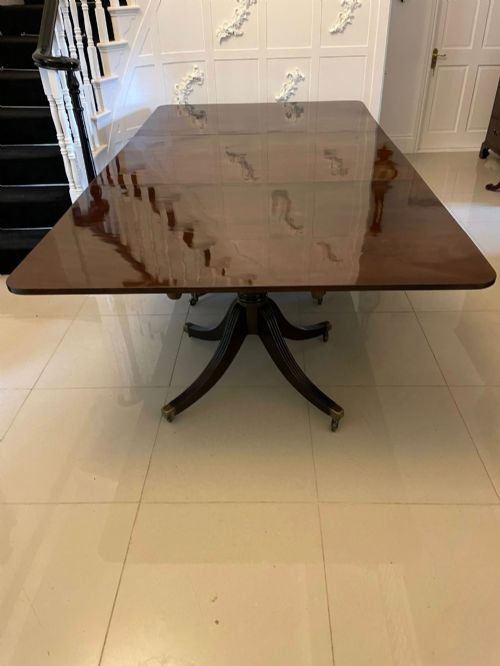
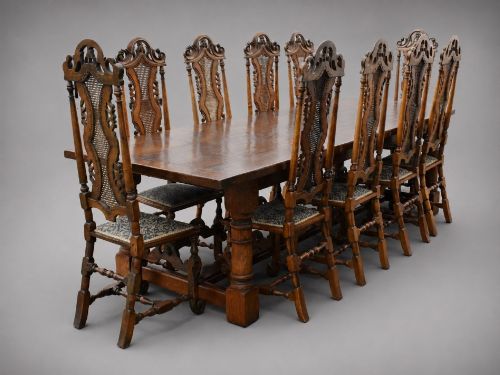
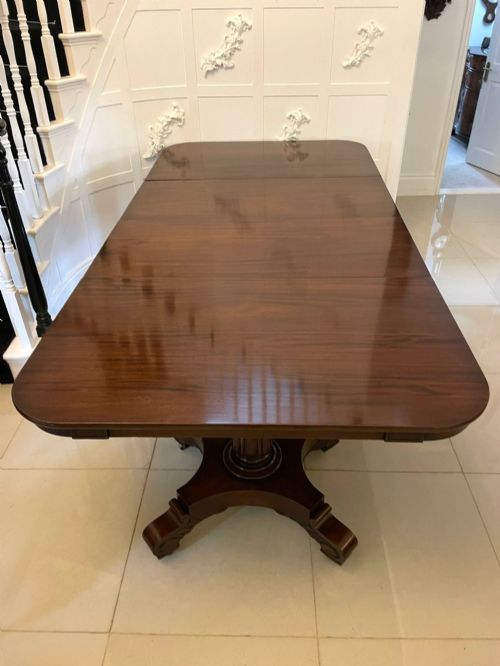
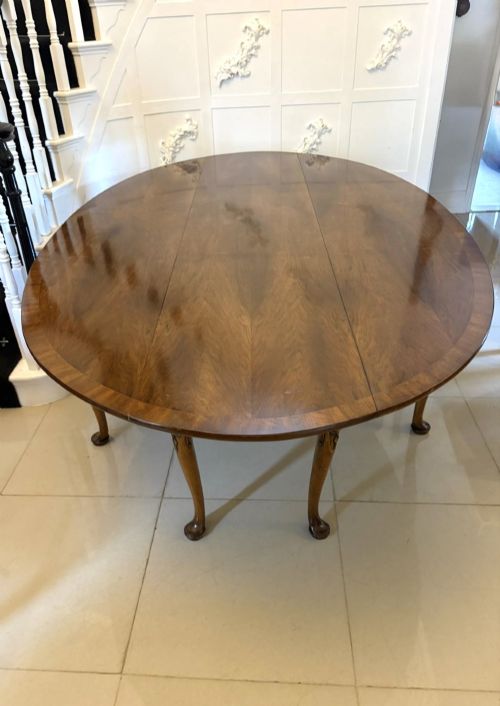
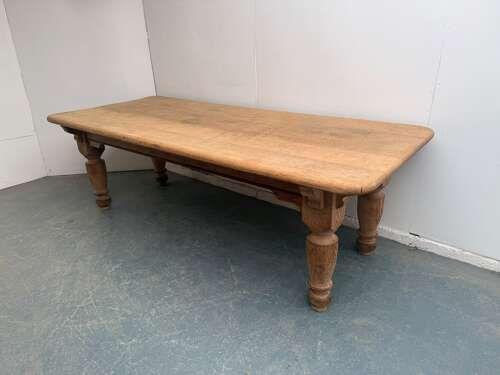
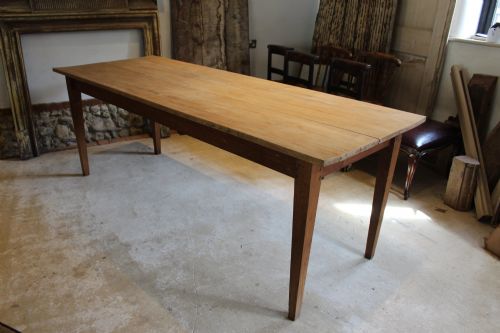
Victorian and Georgian periods dominate the selection, heavily featuring figured mahogany supported by multiple pedestals or extending mechanisms. Alongside these formal designs, oak and fruitwood farmhouse tables provide robust, earthy alternatives from the late nineteenth and early twentieth centuries.
Materials and Construction
Mahogany and oak form the structural backbone of these large surfaces, frequently paired with walnut veneers and burr walnut for decorative tops. Cabinet makers utilised solid timbers alongside careful grain matching to handle the considerable length required for ten diners.
Extending systems rely on substantial wooden runners, brass fittings, and central pedestals that maintain stability when fully expanded. Farmhouse and refectory variants utilise heavy joints and pegged stretcher frames to support daily kitchen use.
Mahogany and oak dominate the timber selection, appearing alongside burr walnut, fruitwood, and elm across Victorian, Georgian, and Edwardian periods.
Distinctions in Quality
The sophistication of the timber figure and the precision of the extending mechanism define the upper tier of these dining surfaces. Master makers selected richly figured mahogany or burr walnut, ensuring grain continuity across leaf insertions.
Carved detailing on pedestals, legs, and aprons separates standard utility pieces from exceptional examples. Heavy claw and ball feet, marquetry inlay, and high-back chair sets indicate a higher grade of design and execution.
The 10 Seater Table Glossary
- Extending table
- A dining surface fitted with internal leaves and mechanical runners to increase its overall length. This mechanism allows the table to expand from a standard footprint to accommodate ten or more guests.
- Pedestal table
- A support structure where the tabletop rests on one or more central columns rather than four corner legs. Multiple pedestals provide essential legroom and structural support for very long surfaces.
- Refectory table
- A long, narrow dining table originally designed for communal dining halls. These sturdy pieces usually feature thick wooden tops supported by trestles or sturdy stretcher bases.
10 Seater Table: Frequently Asked Questions
How do I measure for a 10 seater table?
Ensure you leave ample clearance around the entire perimeter of the room for chairs to pull out fully. A table seating ten typically requires significant floor space to allow guests to sit comfortably without hitting walls.
Account for the fully extended length if the piece uses removable leaves. Measure doorways and stairwells carefully prior to delivery, as these large antique surfaces rarely disassemble completely.
What is a pedestal extending dining table?
A pedestal extending table uses two or three central wooden columns to hold the main top and sliding internal mechanisms. This design prevents corner legs from obstructing diners seated along the sides.
Georgian and Victorian makers favoured multi-pedestal configurations for very long surfaces because they distribute heavy weight evenly across the floor.
How do I care for antique mahogany surfaces?
Apply traditional wax polish sparingly to nourish the wood and maintain a soft sheen across the tabletop. Avoid placing hot dishes or wet glasses directly onto the polished timber to prevent permanent ring marks.
Keep these tables away from direct heat sources and strong sunlight to prevent the mahogany or walnut veneer from drying out and splitting over time.
Are farmhouse tables suitable for daily use?
Farmhouse and refectory tables built from solid oak or fruitwood offer exceptional durability for active household environments. Their robust construction handles heavy everyday use while developing a rich patina over the decades.
Routine maintenance involves simple cleaning with a damp cloth, making these rustic pieces practical for busy kitchens and family dining rooms.