6,647  PAGES BROWSED TODAY PAGES TODAY 0  ANTIQUES UPLOADED TODAY NEW ARRIVALS
ID #SA888497
FOR SALE
£4,650
Email Buy
Save
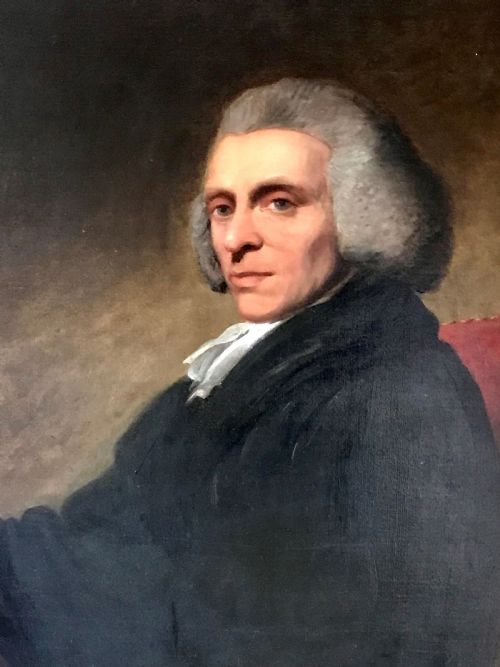
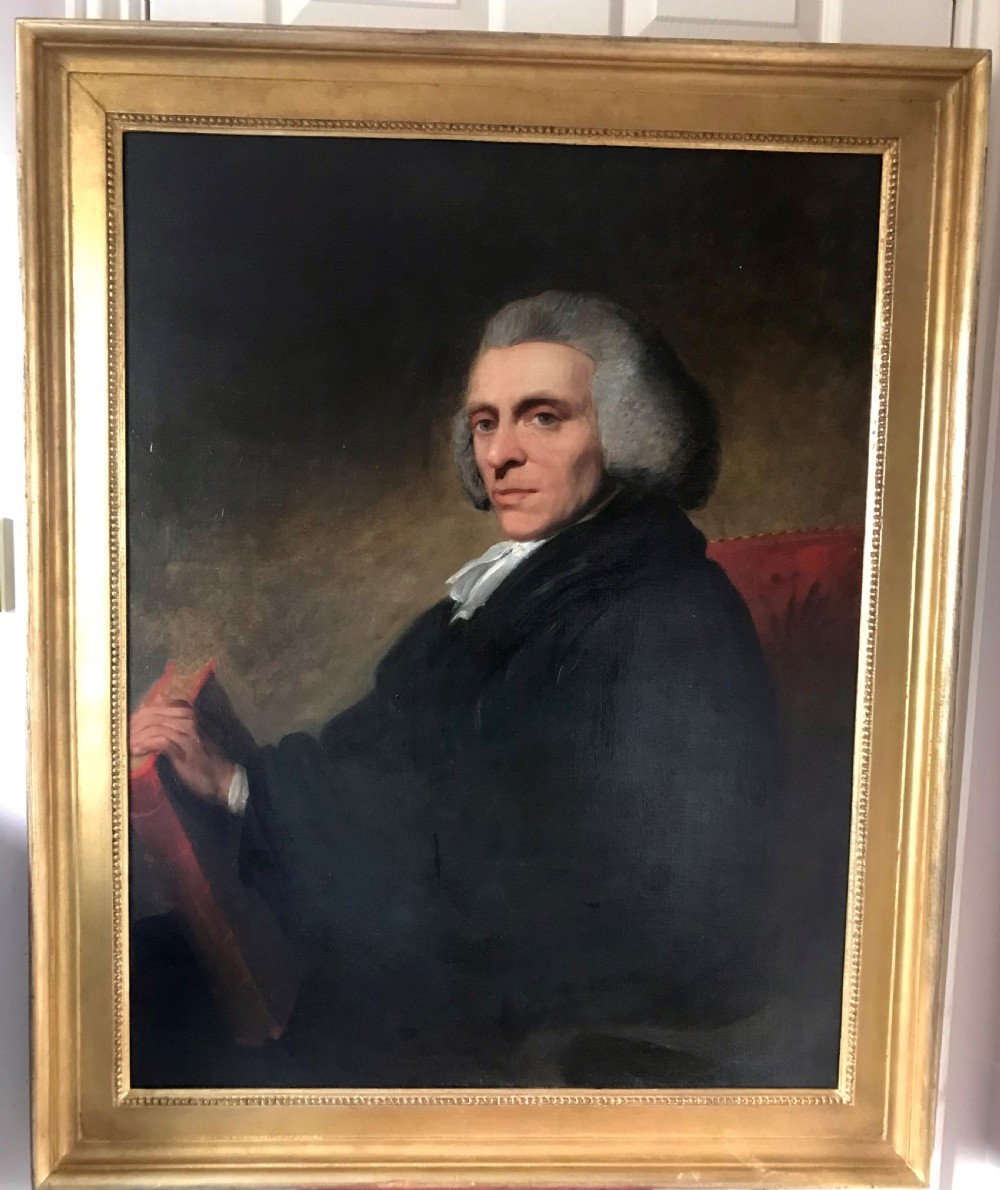
Portrait of the Reverend William Jones of Nayland C.1790, Circle of Beechey.
Roy Precious - Antiques & Fine Art
for sale €5,441     $5,906
£4,650
Roy Precious - Antiques & Fine Art

Roy Precious - Antiques & Fine Art

Sellingantiques Verified Since Mar 2003
View Dealers Stock Page
  • About Us
    Roy and nadine precious: specialists in portraiture from the 16th to the 20th century. Established in 1972.
Id #SA888497
PDF SHARE
SAVE

Portrait of the Reverend William Jones of Nayland C.1790, Circle of Beechey.

18th century
Description

Oil on canvas in the original gilded frame.

A powerful and penetrating portrait of the Reverend William Jones of Nayland, Essex. (1726-1800). He was an important churchman who became the inspiration of the High Church Movement of the early 19th century. He was also a prolific and entertaining writer and composer.
The eighteenth century produced a vintage crop of eccentrics who were also men of letters. Several of these were clerics. An age that can boast Swift, Pope, Walpole and Doctor Johnson takes a lot of beating, but William Jones of Nayland fits neatly, if more modestly, into the pattern.
Jones was born at Lowick, Northamptonshire, on the 30th July 1726, to Morgan Jones and his wife, Sarah Lettin. He was a descendant of Colonel John Jones, the regicide, and throughout his life paid penance for the crime of his ancestor, spending each anniversary of King Charles' execution on January 30th in fasting and prayer. After an education which included Charterhouse and University College, Oxford, where he was awarded his B.A. in 1749, Jones was ordained deacon in the same year by the Bishop of Peterborough. Two years later he became a priest. As well as being a Theologian and Latin scholar, Jones was an accomplished musician.
In 1754 he was given the curacy of Wadenhoe in Northants, where he married Elizabeth Bridges, his vicar’s daughter. During the ensuing twenty years he held two livings in Kent before returning to his native county and the vicarage of Paston.
Authorities differ as to the date of Jones’ appointment to the perpetual curacy of Nayland. The Dictionary of National Biography plumps for 1777, but Grove and other reference books prefer the previous year. Jones’ own biographer, the Reverend W. Stevens, who was also a close friend, gives 1776 as the date, which may be said to settle the matter.

While at Nayland he composed works for the organ which he had caused to be built by Samuel Green of Isleworth in 1787, to encourage the choir. The instrument became known as the Jones Organ and he became known as Jones of Nayland.

W.J. as he was also affectionately known to his friends, died on the 6th January 1800. He is buried in the vault he prepared for his family beneath the Vestry, close to that of Thomas and Martha (Patty) Smith, Constable’s aunt, which was constructed in 1783.

(www.naylandconservation.org.uk)

SIR WILLIAM BEECHEY RA FSA (1753-1839). He was born in Burford, Oxfordshire and entered the Royal Academy Schools in 1774.

After some years in London he moved to Norwich, then a very important city, where he enjoyed a good practice painting conversation pieces and life size portraits from c.1783. He returned to London in 1787 and worked from Brook Street; he became extremely successful and moved to Hill Street, Berkeley Square, then to Hanover Square and ultimately to Harley Street.

He was elected an Associate of the Royal Academy in 1793, then RA in 1798 and was knighted in 1798 (the first artist to receive this honour since Reynolds).

Beechey was appointed Portrait Painter to Queen Charlotte in 1793 and by 1814 Portrait Painter to Her Majesty and to HRH the Duke of Gloucester.

SIZE: 42 x 34 inches including the frame.

PROVENANCE: 50 years in an Essex private collection.

Physical Dimensions
Height
101.5cm (39.96")
Width
86cm (33.86")
Depth
6cm (2.36")
Declaration

Roy Precious - Antiques & Fine Art has dated this Georgian Oil Portrait Painting to the 18th Century.

Reference Numbers
Sellingantiques Reference
SA888497
Dealers Internal Reference
9224
Description
Oil on canvas in the original gilded frame.

A powerful and penetrating portrait of the Reverend William Jones of Nayland, Essex. (1726-1800).

He was an important churchman who became the inspiration of the High Church Movement of the early 19th century.
Roy Precious - Antiques & Fine Art

He was also a prolific and entertaining writer and composer.

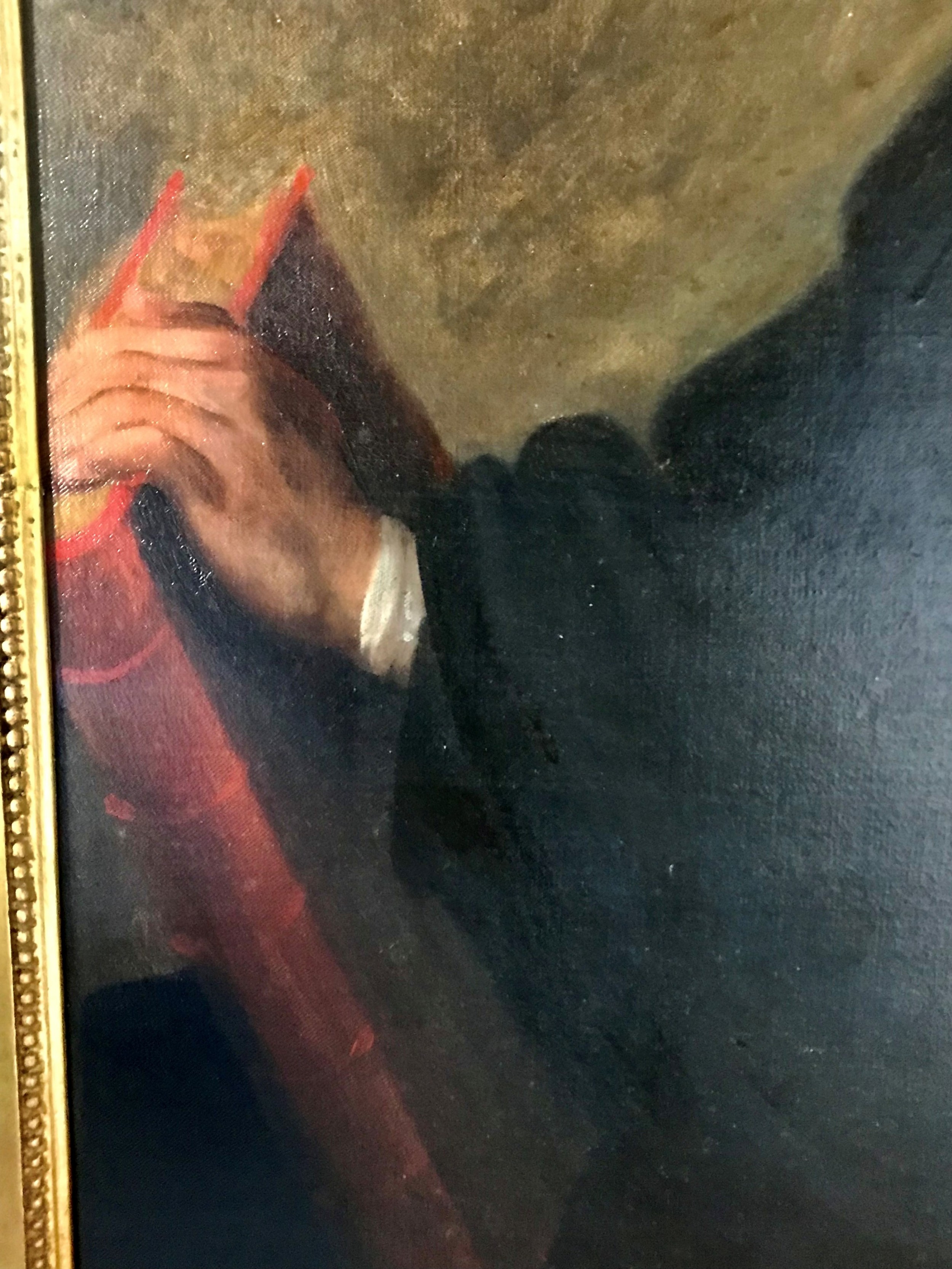
fig 1. A late 18th-century oil portrait of a seated clergyman wearing a powdered wig and dark coat, set within a moulded gilded frame.
fig 1. Portrait of the Reverend William Jones of Nayland C.1790, Circle of Beechey.

The eighteenth century produced a vintage crop of eccentrics who were also men of letters. Several of these were clerics. An age that can boast Swift, Pope, Walpole and Doctor Johnson takes a lot of beating, but William Jones of Nayland fits neatly, if more modestly, into the pattern.

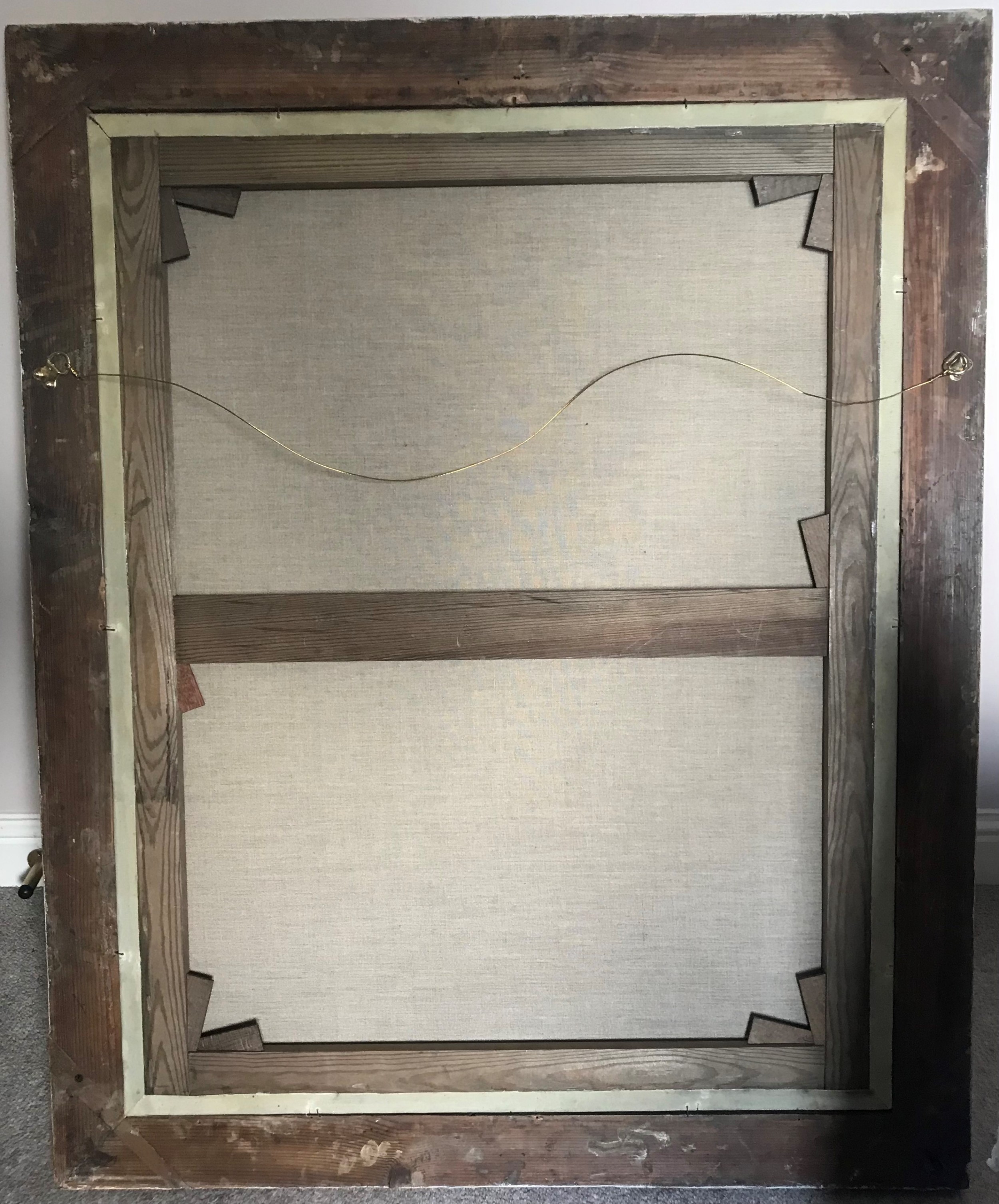
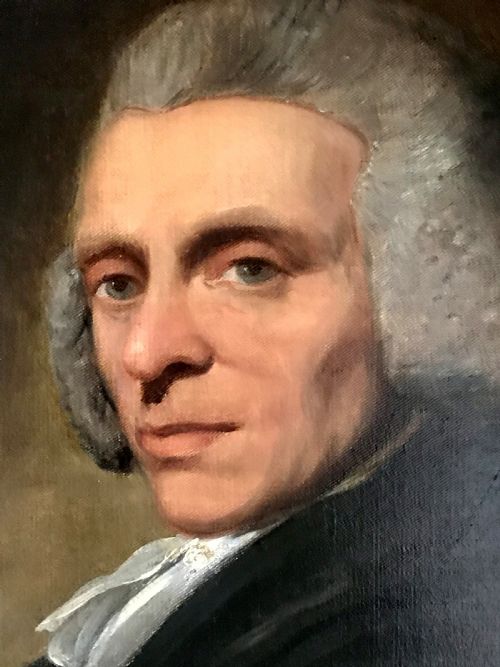
fig 2. A late 18th-century oil portrait of a seated clergyman wearing a powdered wig and dark coat, set within a moulded gilded frame.
fig 2. Portrait of the Reverend William Jones of Nayland C.1790, Circle of Beechey.

Jones was born at Lowick, Northamptonshire, on the 30th July 1726, to Morgan Jones and his wife, Sarah Lettin. He was a descendant of Colonel John Jones, the regicide, and throughout his life paid penance for the crime of his ancestor, spending each anniversary of King Charles' execution on January 30th in fasting and prayer. After an education which included Charterhouse and University College, Oxford, where he was awarded his B.A. in 1749, Jones was ordained deacon in the same year by the Bishop of Peterborough. Two years later he became a priest. As well as being a Theologian and Latin scholar, Jones was an accomplished musician.

fig 3. A late 18th-century oil portrait of a seated clergyman wearing a powdered wig and dark coat, set within a moulded gilded frame.
fig 3. Portrait of the Reverend William Jones of Nayland C.1790, Circle of Beechey.

In 1754 he was given the curacy of Wadenhoe in Northants, where he married Elizabeth Bridges, his vicar’s daughter. During the ensuing twenty years he held two livings in Kent before returning to his native county and the vicarage of Paston.

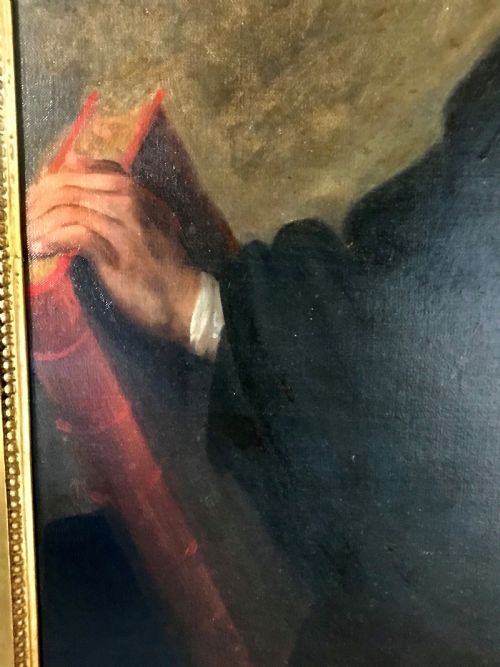
fig 4. A late 18th-century oil portrait of a seated clergyman wearing a powdered wig and dark coat, set within a moulded gilded frame.
fig 4. Portrait of the Reverend William Jones of Nayland C.1790, Circle of Beechey.

Authorities differ as to the date of Jones’ appointment to the perpetual curacy of Nayland. The Dictionary of National Biography plumps for 1777, but Grove and other reference books prefer the previous year. Jones’ own biographer, the Reverend W. Stevens, who was also a close friend, gives 1776 as the date, which may be said to settle the matter.

While at Nayland he composed works for the organ which he had caused to be built by Samuel Green of Isleworth in 1787, to encourage the choir. The instrument became known as the Jones Organ and he became known as Jones of Nayland.

W.J. as he was also affectionately known to his friends, died on the 6th January 1800. He is buried in the vault he prepared for his family beneath the Vestry, close to that of Thomas and Martha (Patty) Smith, Constable’s aunt, which was constructed in 1783.

(www.naylandconservation.org.uk)

SIR WILLIAM BEECHEY RA FSA (1753-1839). He was born in Burford, Oxfordshire and entered the Royal Academy Schools in 1774.

After some years in London he moved to Norwich, then a very important city, where he enjoyed a good practice painting conversation pieces and life size portraits from c.1783. He returned to London in 1787 and worked from Brook Street; he became extremely successful and moved to Hill Street, Berkeley Square, then to Hanover Square and ultimately to Harley Street.

He was elected an Associate of the Royal Academy in 1793, then RA in 1798 and was knighted in 1798 (the first artist to receive this honour since Reynolds).

Beechey was appointed Portrait Painter to Queen Charlotte in 1793 and by 1814 Portrait Painter to Her Majesty and to HRH the Duke of Gloucester.

SIZE: 42 x 34 inches including the frame.

PROVENANCE: 50 years in an Essex private collection.

Height
101.5cm (39.96")
Width
86cm (33.86")
Depth
6cm (2.36")
Date of Manufacture

Roy Precious - Antiques & Fine Art has dated this Georgian Oil Portrait Painting to the 18th Century.

Reference Numbers
Sellingantiques Ref
SA888497
Dealers Internal Ref
9224
Roy Precious - Antiques & Fine Art
Sellingantiques verified Since Mar 2003

Roy and nadine precious: specialists in portraiture from the 16th to the 20th century. Established in 1972.

Dealer Profile

You can view the stock and full dealer information on the Roy Precious - Antiques & Fine Art Profile Page
PDF SHARE
SAVE
A late 18th-century oil portrait of a seated clergyman wearing a powdered wig and dark coat, set within a moulded gilded frame.
1 / 5
Archive I A late 18th-century oil portrait of a seated clergyman wearing a powdered wig and dark coat, set within a moulded gilded frame.

Portrait of the Reverend William Jones of Nayland C.1790, Circle of Beechey.

Archive II A late 18th-century oil portrait of a seated clergyman wearing a powdered wig and dark coat, set within a moulded gilded frame. View II
Archive III A late 18th-century oil portrait of a seated clergyman wearing a powdered wig and dark coat, set within a moulded gilded frame. View III
Archive IV A late 18th-century oil portrait of a seated clergyman wearing a powdered wig and dark coat, set within a moulded gilded frame. View IV
Archive V A late 18th-century oil portrait of a seated clergyman wearing a powdered wig and dark coat, set within a moulded gilded frame. View V
FURTHER BROWSING

Visitors also looked at these ⇣

Enlarged Archival View
Location
Wiltshire
United Kingdom
Dealer Profile Page sellingantiques.co.uk/rp
Verified Since Mar 2003
Items For Sale 95
Items Sold 679
Roy Precious - Antiques & Fine Art
Verified Since Mar 2003
View Dealer Info
Location: Wiltshire, United Kingdom
Verified
Mar 2003
For Sale
95
Sold
679
A late 18th-century oil portrait of a seated clergyman wearing a powdered wig and dark coat, set within a moulded gilded frame.
Portrait of the Reverend William Jones of Nayland c.1790, Circle of Beechey.
Ref: SA888497
A late 18th-century oil portrait of a seated clergyman wearing a powdered wig and dark coat, set within a moulded gilded frame.
Detail View 1
Detail View 2
Detail View 3
Detail View 4
Archival Detail
Every single antique dealer on our platform is individually approved by our internal team. We verify their professional trade history, ethical standards, and photographic quality to ensure a secure, high-standard buying environment. Upon joining, every dealer agrees to a strict 9-point code of conduct. While issues can occasionally arise, our dealers typically resolve them swiftly and directly with the buyer. In fact, since our founding in 2002, Sellingantiques has only had to step in to help resolve an issue on roughly five occasions—a true testament to the quality of our dealers and their dedication to your happiness.
Our dealers are highly experienced in packing and shipping fragile, high-value antiques. Because you are in direct contact with the dealer, you will be able to easily go through all available shipping and insurance options together to ensure your item arrives safely.
Antiques are the ultimate green purchase. By choosing historical pieces over newly manufactured goods, you completely eliminate the carbon footprint of modern mass production while preserving exceptional, timeless craftsmanship.

Late Georgian portraits typically feature sitters posed in three-quarter or half-length views against dark, muted backgrounds to emphasise the subjects expression and status. Artists of this era focused on naturalistic flesh tones, detailed clothing textures, and symbolic props such as books or manuscripts to denote intellect and profession.

Oil paintings from this period were executed using hand-ground mineral and organic pigments bound with linseed or walnut oil on woven linen canvases. Framing typically comprised hand-carved or moulded pine wood finished with gesso and gold leaf gilding.

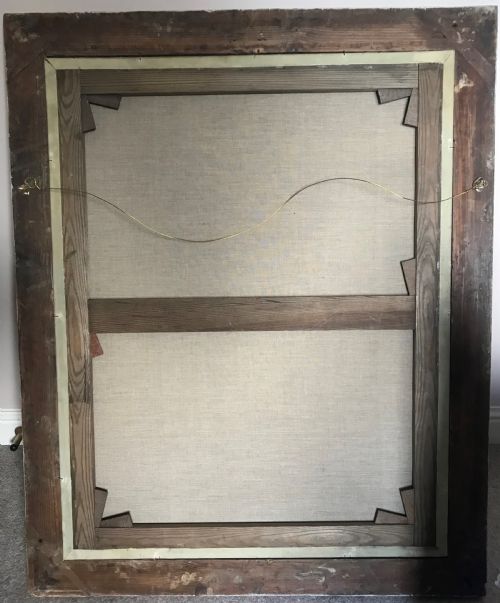
Authentic 18th-century oil paintings display natural age-related craquelure across the paint surface, historic canvas stretching techniques, and hand-forged tacks along the stretcher bars. Examination of backboard oxidation, canvas weave texture, and framing construction further assists in attribution.

An 18th-century portrait serves as a focal point when positioned above a mantelpiece, sideboard, or within a gallery wall. Combining dark-toned traditional portraiture with contemporary furniture creates visual contrast in minimalist or layered interior schemes.

Keep oil paintings away from direct sunlight, extreme temperature fluctuations, and high humidity to prevent cracking and canvas warping. Dust frames gently with a dry soft-bristled brush, and entrust surface cleaning or varnish removal exclusively to professional art conservators.
items
Add keywords to the filter
Price
£100
£250000
Era
Movements
Material
Origin
Stock Location
Freshness
Online Payments
Categories