


Yorkshire Oil Painting
Discover a yorkshire oil painting to bring historic Dales landscapes, coastal harbours and quiet rural farmsteads directly onto your interior walls.
Yorkshire Oil Painting
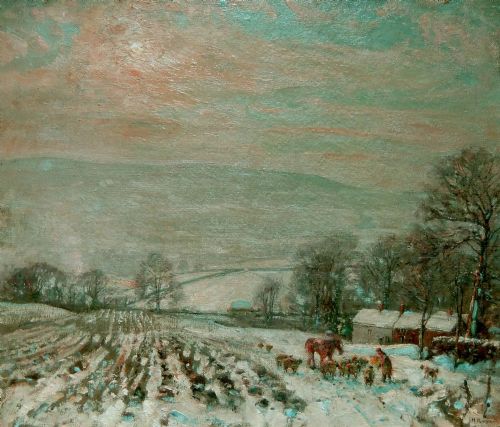
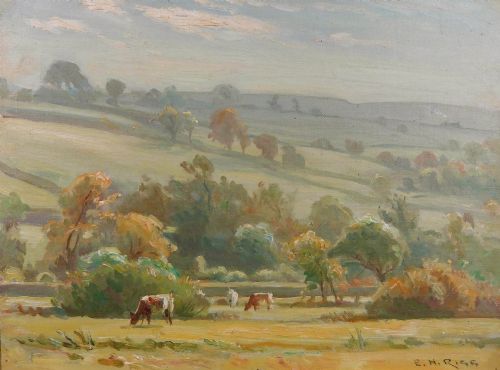
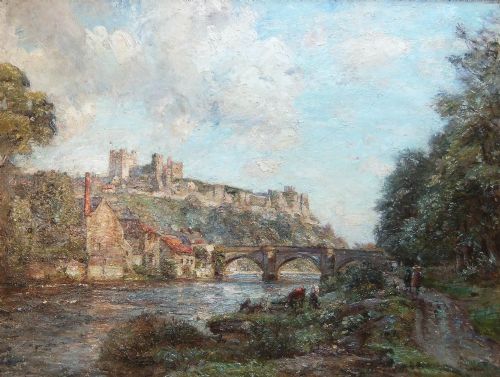
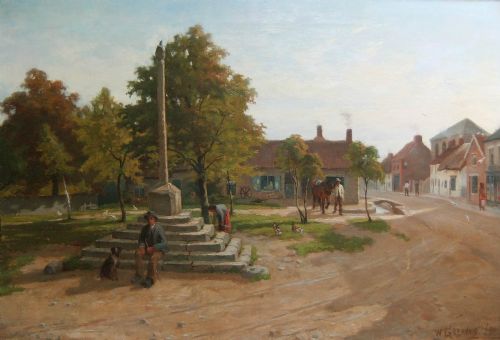
A yorkshire oil painting captures the distinctive topography, light and rural life of northern England through historic brushwork. Buyers seek out these framed scenes to connect with specific northern localities, from windswept moors to sheltered river valleys.
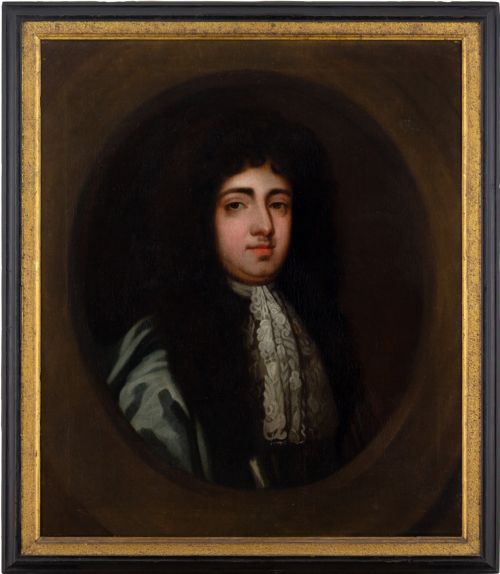
The selections span centuries of regional depiction, running from seventeenth-century portraits and eighteenth-century abbey ruins up through nineteenth-century coastal views. Twentieth-century works are especially prevalent, featuring regional impressionism and mid-century British school landscapes from established local artists.
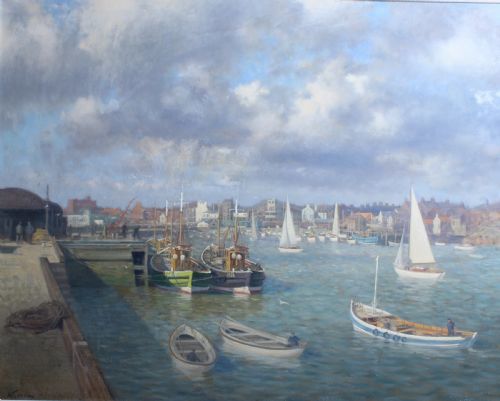
Common subjects include Wharfedale rivers, Staithes fishing villages, sheep-dotted pastures and historic market towns. These pieces offer a tangible record of northern heritage translated through varied artistic movements.
How They Were Made
Artists painted primarily using oil pigments applied onto woven canvas stretched over wooden frames, or directly onto rigid supports such as wood panels, card and prepared board. Gilt frames frequently enclose these works, complementing the rich tones of the compositions.
Techniques range from Victorian realism with careful detail to looser British impressionism and mid-century modern brushwork that prioritises atmosphere and shifting light. Panel and board supports often reveal direct, plein-air application capturing rapid weather changes across the moors.
Several sheep make frequent cameo appearances across the Yorkshire moors, proving that Dales quadrupeds have long enjoyed modelling for local artists.
What Varies in Quality
Quality rests in the fidelity of the regional atmosphere, the confidence of the brushwork and the artist's ability to render the specific quality of northern light. Stronger works demonstrate assured handling of local topography, whether capturing coastal marine scenes or sheltered dales.
Provenance and artist attribution elevate certain pieces, particularly works by known members of regional art movements or Staithes group painters. The harmony between the original frame and the canvas also contributes to the overall integrity of the piece.
Herbert Royle·Ernest Higgins Rigg·William Greaves·Owen Bowen·William Mellor·Florence Hess·Fred Stead·Reginald Grange Brundrit·Lewis Creighton·E K Redmore
The Yorkshire Oil Painting Glossary
- Canvas
- A heavy woven fabric used as a surface for painting, typically stretched taut over a wooden frame before application.
- Board
- A rigid flat backing material used by artists in place of canvas, common in twentieth-century outdoor sketching.
- Panel
- A solid piece of wood or other rigid material providing a stable flat foundation for oil pigments.
- Gilt
- A thin layer of gold leaf or gold-coloured finish applied to frames to enhance the presentation of the artwork.
- Plein-air
- Painting executed outdoors directly in front of the subject to capture natural light and atmospheric conditions accurately.
Yorkshire Oil Painting: Frequently Asked Questions
What subjects appear most often?
Landscapes featuring rivers like the Wharfe, coastal villages such as Staithes, and moorland sheep scenes dominate the regional output. Rural farmsteads and historic Yorkshire abbeys also recur frequently across different decades.
Artists focused heavily on the changing seasons, producing snowy winter feeding scenes alongside bright summer valley views.
How do I date a piece?
Dating relies on stylistic clues, framing methods, and signatures recorded by the artist or noted on the reverse of the panel or board. Nineteenth-century works often favour tighter Victorian realism, while mid-century pieces display looser impressionistic brushwork.
Exhibition labels, studio sale provenances, and artist biographical dates help narrow the creation period further.
Where were these artists active?
Many painters belonged to recognised regional circles, including the Staithes Art Club along the coast or various Wharfedale painting communities. They worked directly outdoors across the Yorkshire Dales, North York Moors, and industrial or rural settlements.
Their studios spanned local towns and villages, capturing the immediate topography surrounding them.
How should I hang them?
Display these works away from direct sunlight and excessive humidity to protect the oil paint and canvas or wooden support. Traditional gilt frames pair well with period interiors, while simpler mouldings suit mid-century board paintings.
Ensure secure wall fixings appropriate for the weight of the framed canvas or heavy wooden panel.