


Yorkshire Country Landscape
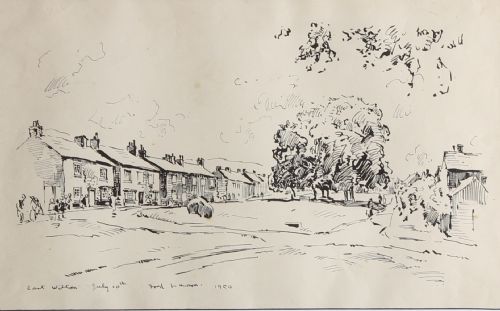
These works capture a yorkshire country landscape through the eyes of regional painters spanning the late nineteenth and mid twentieth centuries.
Yorkshire Country Landscape
A yorkshire country landscape records the valleys, moors, rivers and rural farms of the northern county through traditional painting and drawing. The pieces gathered here range from nineteenth century watercolours to mid-twentieth century oils on board and canvas.
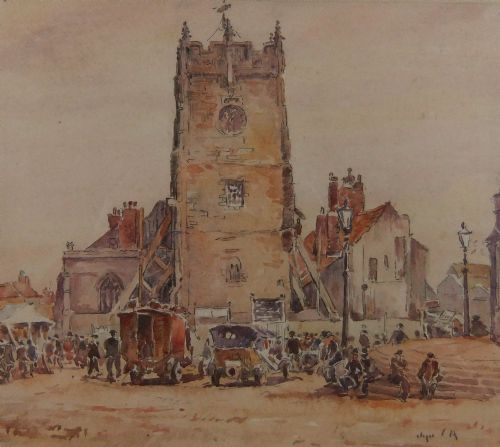
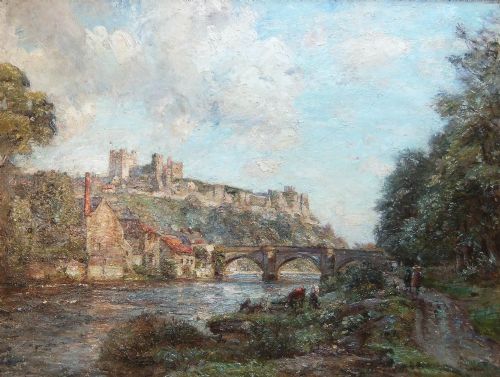
Buyers will encounter specific local scenes such as Wharfedale, Swaledale and Wensleydale, alongside depictions of market towns, historic castles and quiet farmsteads. These works reflect the enduring appeal of northern topography across changing artistic styles like British Impressionism and Edwardian realism.
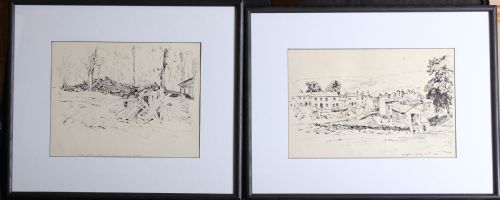
The selection includes framed watercolours with ink, graphite drawings, and substantial oil paintings that document the rural heritage of the region. Works stretch across multiple decades, showing how generations of artists interpreted the same Yorkshire vistas.
Materials and Technique
Artists painted these scenes using oil paint on canvas or board, alongside watercolours and occasional pastels applied to paper. Canvas supports often bear thick brushwork, while watercolours rely on fluid washes and ink line work.
Framed works commonly use glass to protect paper mediums, whereas oil paintings on canvas or wood panels remain open to the air within traditional wooden frames. Pigments were worked with brushes or knives to capture varied effects of light, weather and foliage across the Dales.
Recorded materials across the selection consist of paper, canvas, oil paint, watercolour, wood, and glass.
Assessing the Works
Quality rests in the sureness of the handling, the atmospheric capture of northern light, and the fidelity of the local topography. Stronger examples display confident brushwork or deliberate washes that convey weather and terrain without excess detail.
Condition also influences the piece, including the stability of the paint layer on canvas, the preservation of paper against foxing, and the presence of original framing. Works directly linked to known regional artists through signatures or studio provenance carry greater documentary weight.
Fred Lawson·John Smith Atherton·Herbert Royle·Robert Little·William JB Jenkins·Ernest Higgins Rigg·Arthur Reginald Smith·Owen Bowen·William Greaves·Fred Stead·John Frederic Greenwood·Peter Jackson·Amos Green·Tom Dudley·Sonia Lawson·William Manners·Angus Rands·Sidney Wright·Kershaw Schofield
The Yorkshire Country Landscape Glossary
- Watercolour
- A painting method where fine pigment is suspended in a water-soluble binder and applied to paper. It creates luminous translucent washes.
- Oil Paint
- A slow-drying medium made by embedding pigment grains in drying oils. It allows for rich texture and deep colour layering.
- British Impressionism
- A late nineteenth and early twentieth century painting approach focused on natural light and loose brushwork. It influenced many regional landscape artists of the era.
- Provenance
- The documented history of ownership or origin for an artwork. It helps confirm authenticity and studio background.
Yorkshire Country Landscape: Frequently Asked Questions
What periods do these paintings cover?
The available selection spans from the late nineteenth century through the Edwardian era and into the mid-twentieth century. Most pieces concentrate on the decades between eighteen ninety and nineteen fifty.
These dates reflect active periods of regional landscape painting across the Yorkshire Dales and surrounding rural areas.
How should I display a watercolour?
Watercolours on paper require protection from direct sunlight to prevent the pigments and paper support from fading over time. Standard conservation framing with glass helps shield the delicate washes.
Hang them in rooms with stable humidity levels to maintain the integrity of both the paper and the original mount.
Are these paintings signed by the artists?
Many of the works bear artist signatures, monograms, or studio inscriptions on the front or verso. Studio sales and documented provenance further confirm the origin of specific pieces.
Unsigned watercolours and drawings appear alongside signed oils, often attributed through style, subject matter, and period documentation.
What subjects feature most often?
The primary subjects are rural Yorkshire scenes, including river valleys like Wharfedale and Swaledale, local farmyards, and market towns. Artists frequently returned to specific landmarks such as Bolton Abbey and Richmond.
Depictions also include seasonal views, from winter feeding scenes to summer haymaking across the hills.