


Yorkshire Art Painting
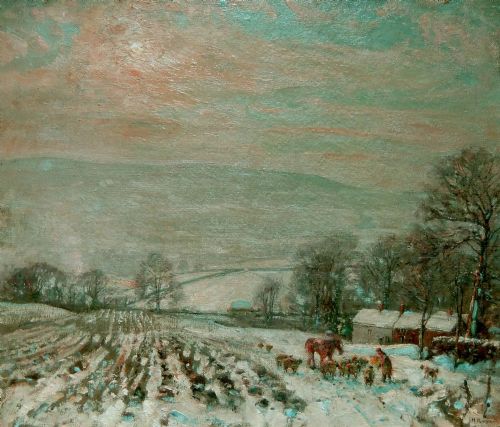
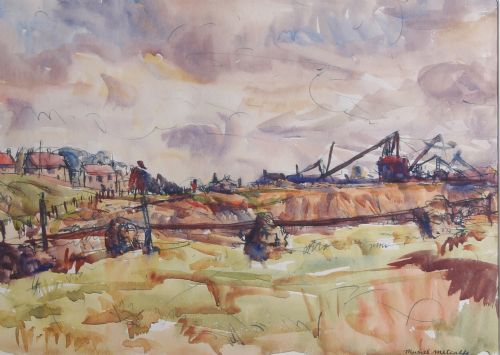
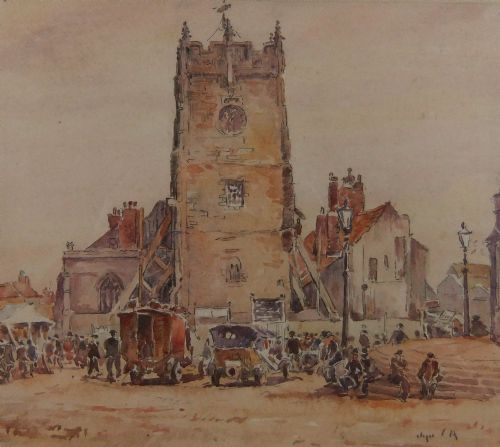
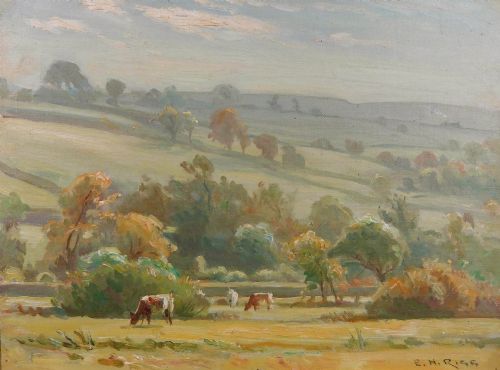
Yorkshire art painting captures the landscapes, harbours and rural life of the county through works spanning the Victorian period to the mid-twentieth century.
Yorkshire Art Painting
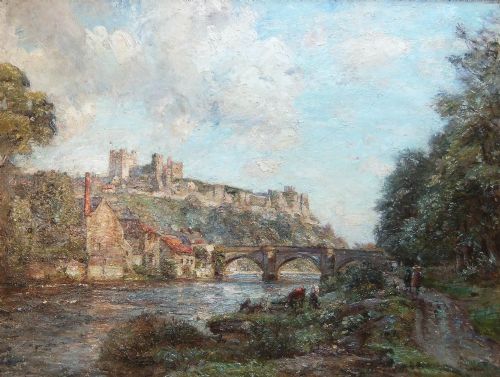
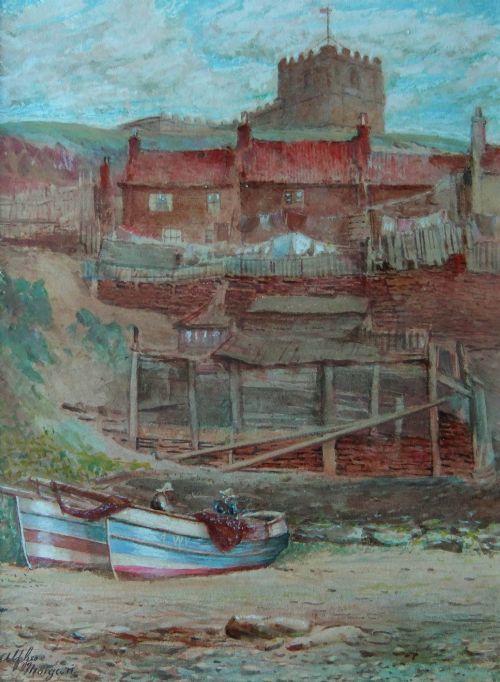
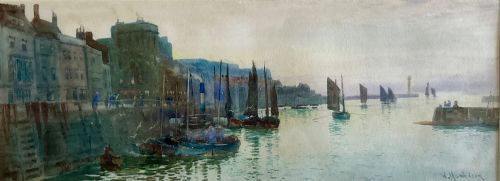
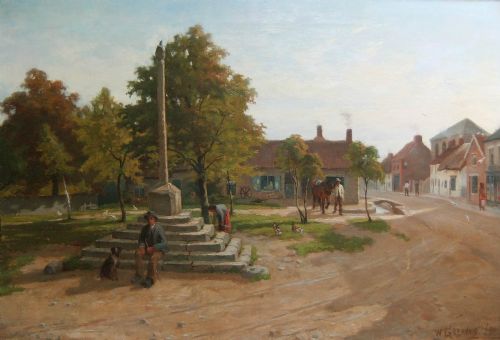
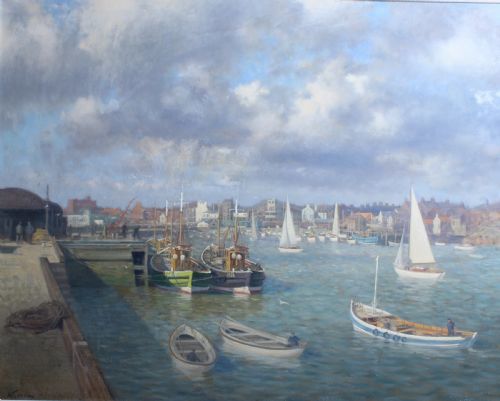
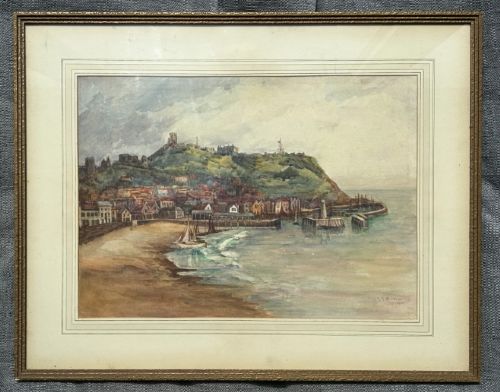
A yorkshire art painting typically depicts local scenery, including the North Yorkshire coast, Whitby harbour, dales and rural farmyards. These works record regional views created by artists working across the nineteenth and twentieth centuries.
Collectors encounter watercolours and oil paintings ranging from Victorian depictions to mid-century modern British interpretations. The selection frequently includes coastal scenes by Staithes group artists and inland views of Wharfedale and Wensleydale.
The physical forms include oil on canvas, oil on board, and works on paper such as watercolours and pastels. Smaller watercolours often feature local towns and rivers, whilst larger oils capture broader moorland and marine expanses.
How they were made
Artists utilised traditional oil paint on stretched canvas or artist board, applying pigment with brushes to build up rich textures for landscapes and seascapes. Watercolours were painted on paper using fluid washes and fine brushwork to delineate coastal architecture and weather effects.
Supports varied from wood panels and heavy paper to canvas, often housed in period wooden or gilt frames. Pigments were combined with oils or water binders, capturing the specific light of the Yorkshire coast and inland valleys.
Regional subjects span Whitby, Scarborough, and inland dales, recording local topography and rural farm life across multiple decades.
What varies in quality
The strength of composition and the artist's handling of regional light distinguish finer works from standard topographical records. Pieces by established regional groups, such as the Staithes artists, often display greater fluency in brushwork and atmospheric depth.
Condition and originality play a role in evaluation, particularly the preservation of the paper support in watercolours or the stability of the paint layer on canvas. Signed works and those retaining specific local provenance offer clearer attribution to known regional painters.
Herbert Royle·Muriel Metcalfe·John Smith Atherton·Ernest Higgins Rigg·Alfred G. Morgan·William Matthison·William Greaves·Walter Goodin·F A Roylance·Robert Little·William JB Jenkins·Fred Lawson·Arthur Reginald Smith·Cuthbert Crossley·Reginald Grange Brundrit·George Graham·Arthur Tucker·Robert Leslie Howey·Owen Bowen·William Mellor·Florence Hess·James Watson·Albert Pile·T E Churnside·Henry Barlow Carter
The Yorkshire Art Painting Glossary
- Staithes Group
- A collective of artists influenced by impressionism who worked around the fishing village of Staithes on the Yorkshire coast.
- Watercolour
- A painting method where fine pigments are suspended in a water-soluble vehicle, typically executed on paper.
- Oil on Canvas
- A technique using pigments bound with an oil medium applied to a woven fabric support stretched over a wooden frame.
- British Impressionism
- A painting style focusing on light and everyday subjects, prominent in British art from the late nineteenth century onwards.
- Provenance
- The documented history of ownership or the origin of an artwork, often linking it directly to an artist's studio sale.
Yorkshire Art Painting: Frequently Asked Questions
What subjects appear in these paintings?
The works primarily depict regional landmarks, fishing ports like Whitby, and rural valleys such as Wensleydale and Wharfedale. Coastal views, local agriculture, and village architecture form the core subject matter.
Artists focused on capturing the changing light across the moors, rivers, and coastal cliffs of the county.
How do watercolours differ from oils here?
Watercolours use pigment on paper to create lighter, transparent effects well-suited for detailed architectural views and subtle coastal weather. Oil paintings utilise thicker paint layers on canvas or board, offering deeper texture and richer colour saturation.
Oils frequently capture heavier atmospheric conditions, whilst watercolours excel at luminous morning or evening light.
Who were the Staithes group artists?
The Staithes group comprised painters who lived and worked along the Yorkshire coast, adopting impressionist techniques to record local fishing communities. Their output includes both sunlit harbour scenes and robust coastal landscapes.
These artists form a distinct regional school within British art history.
How should these artworks be displayed?
Watercolours require framing behind glass with acid-free mounts to protect the paper from ultraviolet light and humidity. Oil paintings on canvas benefit from stable indoor environments away from direct sunlight and dramatic temperature shifts.
Proper framing preserves both the medium and the structural integrity of the antique support.