



Yellow Wing Chair
A yellow wing chair brings warmth and traditional comfort to a room, offering deep seats and protective side panels.
Yellow Wing Chair
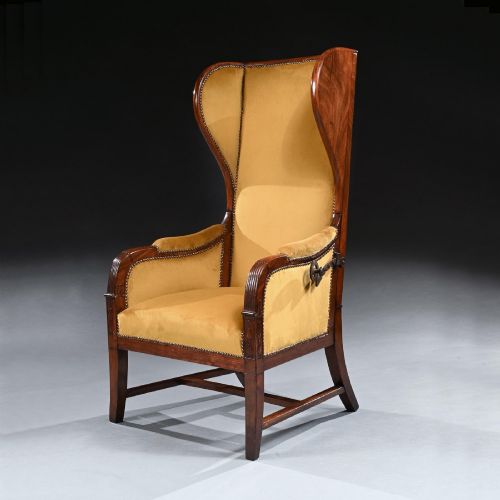
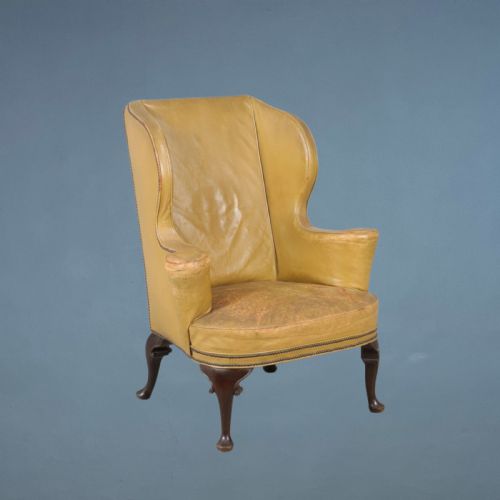
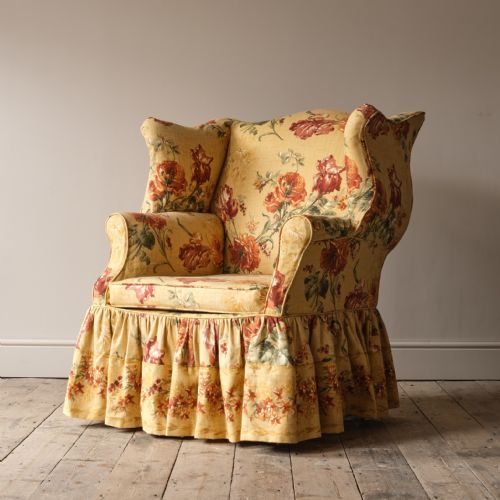
A yellow wing chair is an upholstered armchair featuring tall side panels designed originally to shield the sitter from draughts. The pieces gathered here span several centuries, reaching from the eighteenth century through the Victorian and Edwardian eras into the early twentieth century.
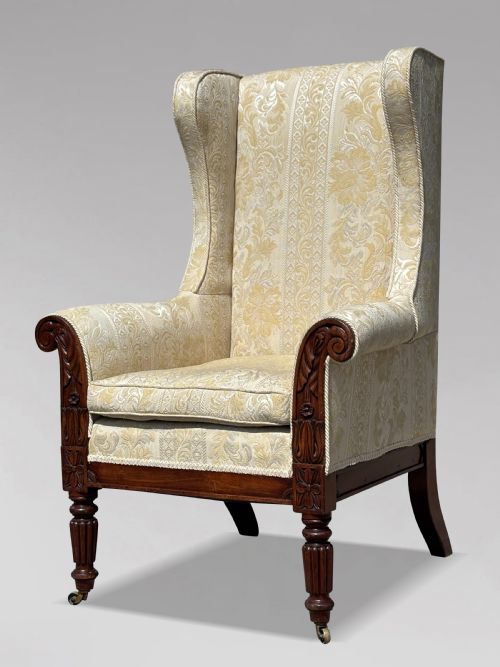
Most examples you encounter on this page belong to the Georgian, Victorian or Edwardian periods, constructed in forms such as the wingback armchair or reclining wing back armchair. Makers shaped these seats to offer enclosed comfort, using upholstery in damask fabric or leather.
The styles range from George III and William IV to French Empire and Queen Anne Revival. Alongside traditional wood frames, certain pieces adopt specific regional expressions like the Irish manner.
How they were made
Frames rely upon timber foundations, predominantly mahogany and walnut, providing structural strength for the deep seating area. Cabinet makers and joiners shaped these woods into cabriole or straight legs, sometimes incorporating brass castors.
Upholstery techniques involve securing fabric, damask fabric or leather over padded inner structures. Many examples feature finely carved details on exposed wooden components, particularly around the legs and arm supports.
Yellow Wing Chair Retail Price Guide 2026
Typical asking prices for yellow wing chair among the pieces listed under this phrase on Sellingantiques today, from the lower quarter to the upper quarter. They describe what is for sale here now, not the wider market.
Listings span periods from the eighteenth century to the early twentieth century, utilising mahogany, walnut, brass, leather and damask fabric.
What varies in quality
Quality rests in the crispness of the timber carving and the architectural proportion of the wings relative to the seat. Finer examples display harmonious lines and substantial framing timber rather than heavy or clumsy proportions.
The choice of covering material and the precision of the upholstery work also set pieces apart. Original leather or woven damask fabric denotes a higher grade of manufacture than later replacements.
The Yellow Wing Chair Glossary
- Wingback armchair
- An upholstered seat with flanking panels designed to retain heat and block air currents. This form became popular in domestic interiors during the seventeenth and eighteenth centuries.
- Mahogany
- A durable tropical timber widely utilised for furniture frames during the eighteenth and nineteenth centuries. Its reddish-brown tone accepts fine carving.
- Damask fabric
- A reversible figured textile woven on a jacquard loom, frequently chosen for formal upholstery. The pattern shows through contrasting matte and lustrous surfaces.
- French Empire
- A neoclassical design style spanning the late eighteenth and early nineteenth centuries. It draws inspiration from ancient Roman and Greek motifs.
Yellow Wing Chair: Frequently Asked Questions
What is a yellow wing chair?
A yellow wing chair is a traditional upholstered armchair featuring protective side panels, finished in a yellow covering. These seats combine deep cushioning with high backs designed for household comfort.
They appear across various periods from the eighteenth century to the twentieth century, reflecting shifting domestic tastes in seating design.
How were wing chairs used?
These chairs were placed near firesides to shield the occupant from cold draughts while trapping warmth around the head and shoulders. The enclosed design also provided privacy in busy rooms.
Over time, they moved from formal reception rooms into libraries and parlours as general reading and relaxation seats.
How do I date a wing chair?
Dating relies upon examining the timber of the frame, the shaping of the legs, and the construction methods hidden beneath the upholstery. Georgian examples often feature slender mahogany legs, while Victorian pieces tend to be heavier.
Stylistic markers such as French Empire or Queen Anne Revival details help assign pieces to specific nineteenth or twentieth-century decades.
What woods were used for frames?
Cabinet makers predominantly used mahogany and walnut for the structural frames of these armchairs. These dense timbers allowed for sturdy joinery and detailed hand carving.
Secondary woods like timber appear on internal framing components that remain hidden from view.