

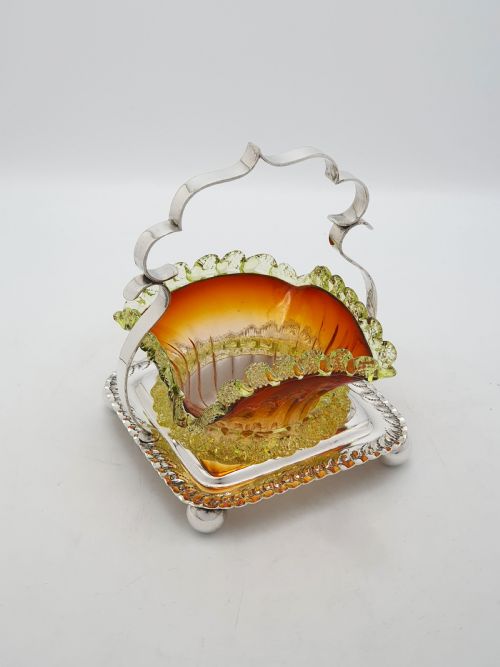


Yellow Victorian Glass
Yellow victorian glass brings a luminous warmth to any interior through its glowing uranium and amber tones.
Yellow Victorian Glass
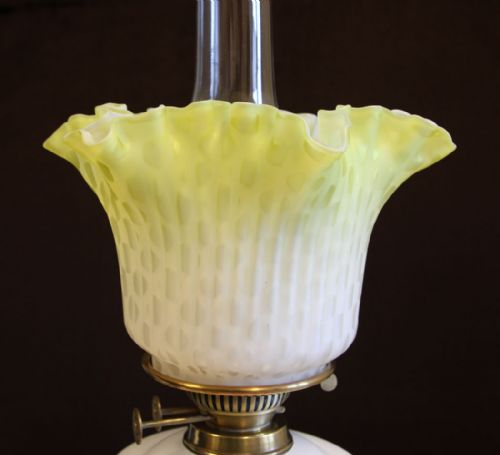
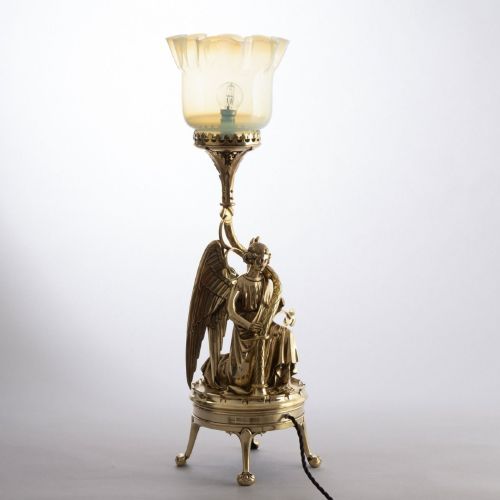
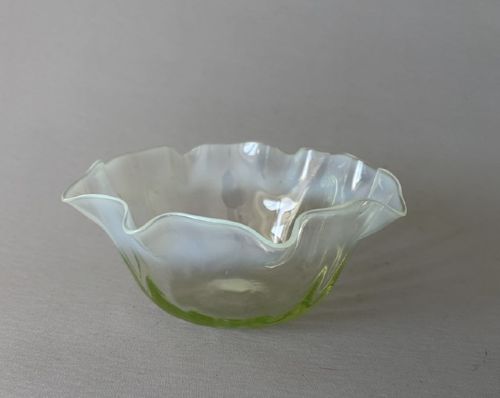
When you search for yellow victorian glass, you encounter a distinct range of domestic objects originating predominantly from the nineteenth century. The selection spans decorative vessels, oil lamps, and table accessories produced during the Victorian and Edwardian periods.
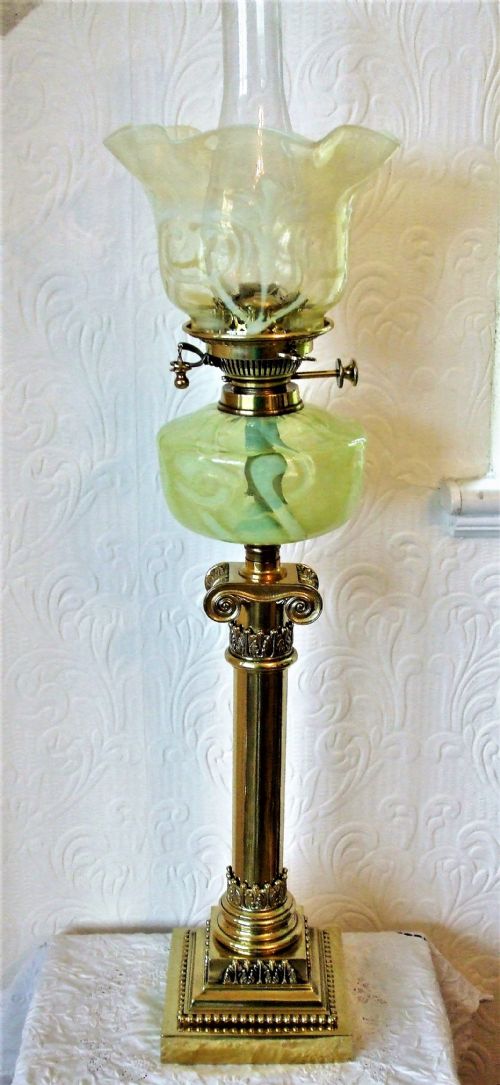
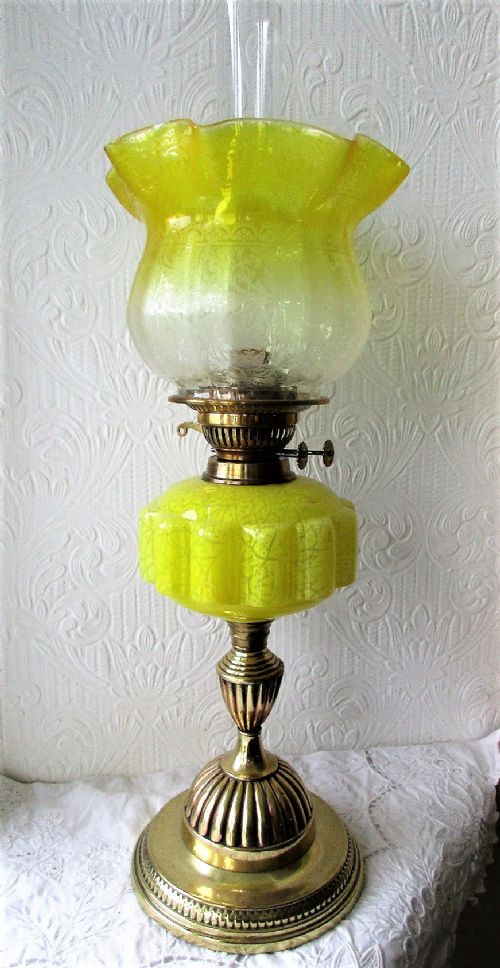
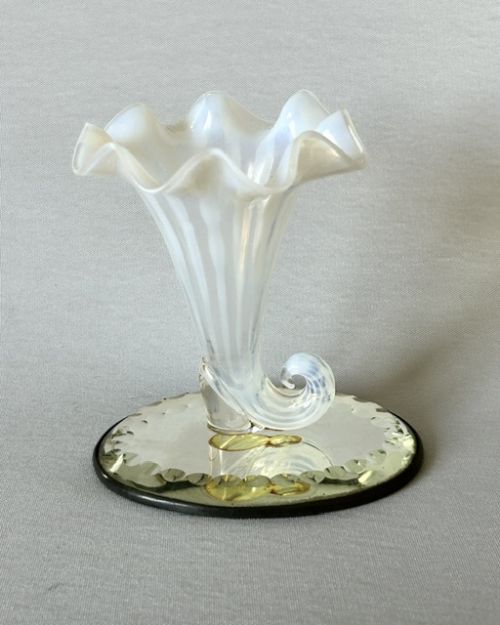
Vessels on this page typically manifest as vaseline glass, amber glass, or satin glass in various forms such as vases, bowls, and fairy lights. These pieces reflect the industrial and decorative tastes of the era, combining utility with distinct coloration.
The objects derive largely from English and European workshops, featuring styles that range from simple pressed items to ornate art glass. Collectors find that these items function both as decorative display pieces and as examples of period manufacturing techniques.
How they were made
Makers utilised specific mineral additives, notably uranium oxide, to achieve the characteristic bright yellow and greenish-yellow hues seen in vaseline glass. Glassblowers shaped these molten materials by hand, utilising techniques such as mould-blowing and free-blowing to create vessels and lamp shades.
Many items incorporate supplementary materials like brass bases, silver plate mounts, and enamel decoration to complement the glass bodies. Surface manipulation, including crimping, acid-etching, and hand-painting, added textural and visual depth to the finished pieces.
Yellow Victorian Glass Retail Price Guide 2026
Typical asking prices for yellow victorian glass among the pieces listed under this phrase on Sellingantiques today, from the lower quarter to the upper quarter. They describe what is for sale here now, not the wider market.
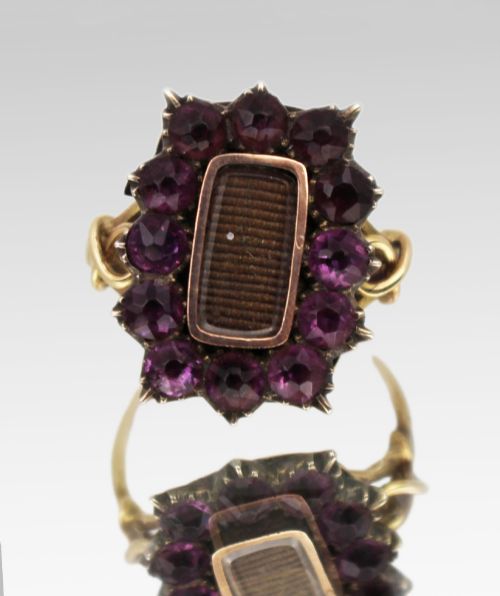
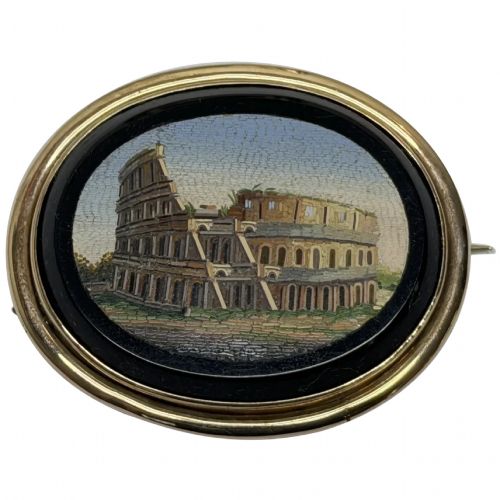
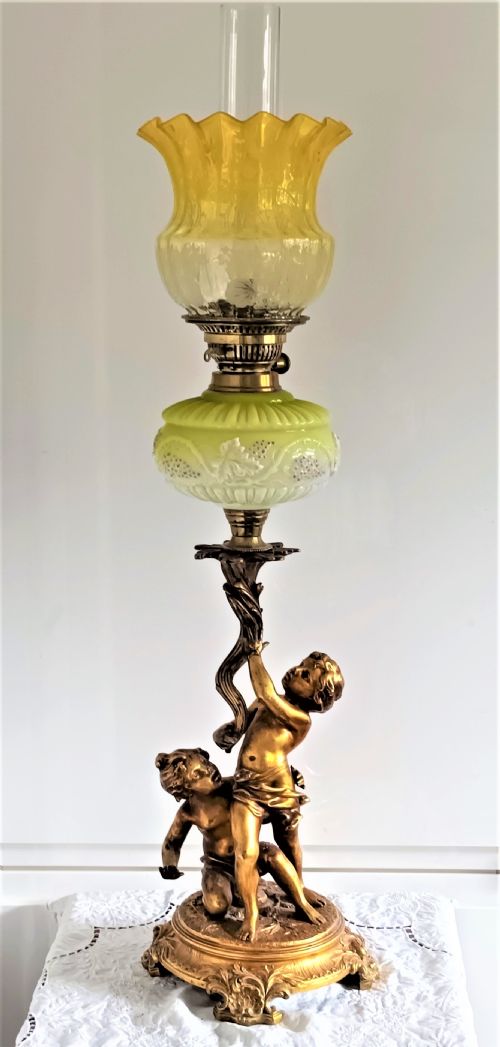
Victorian households illumination depended on yellow glass lamps casting a glow over rooms filled with taxidermy birds and micromosaic brooches.
What varies in quality
The refinement of the glass body and the precision of the hand-finishing separate standard utility wares from superior art glass pieces. Exceptional examples display even colour saturation, clean pontil marks, and balanced proportions without excessive bubbles or distortion.
The integration of metal mounts, such as silver-plated frames or brass oil lamp burners, dictates the overall grade of the piece. Quality is evident when applied enamel decorations or hand-painted motifs remain crisp, detailed, and well-adhered to the glass surface.
Stevens and Williams·Thomas Webb and Sons·François-Eugène Rousseau·Baccarat
The Yellow Victorian Glass Glossary
- Vaseline glass
- A type of glass containing uranium dioxide that produces a distinct yellow or yellow-green colour and glows brightly under ultraviolet light. It gained popularity during the nineteenth century for decorative tableware and lighting.
- Satin glass
- A Victorian art glass type featuring a velvety, acid-etched surface texture that diffuses light softly. It was frequently produced in shaded pastel or bright yellow finishes.
- Lustre
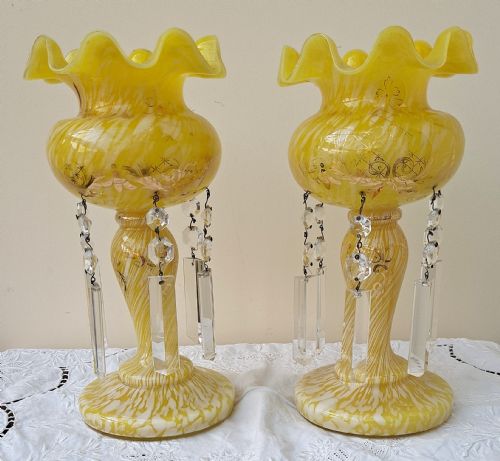
- A decorative table ornament featuring a glass body hung with cut glass prisms. These pieces were often produced in pairs during the nineteenth century.
- Carboy
- A large glass bottle or vessel, historically used for holding liquids safely. Pharmacy examples often appear in heavy-walled nineteenth-century glass.
- Fairy light
- A miniature night light or candle lamp consisting of a coloured glass dome resting on a matching saucer. Clarke's pyramid models are notable nineteenth-century examples of this form.
Yellow Victorian Glass: Frequently Asked Questions
What is vaseline glass?
Vaseline glass is a transparent or translucent glass coloured with small amounts of uranium. This gives the material a characteristic yellow or yellow-green tint.
Items made from this glass emit a bright green fluorescence under ultraviolet light. The name derives from its perceived visual similarity to petroleum jelly.
How were yellow glass oil lamps used?
These lamps provided domestic illumination in nineteenth-century homes before electric lighting became widespread. They combined a glass fuel reservoir with brass burners and chimneys.
Many examples utilised yellow or amber shades to soften the glaring light of the flame. Today, they serve as decorative lighting and table centrepieces.
How do I care for antique glass?
Antique glass requires gentle cleaning with lukewarm water and mild soap to preserve its surface finish. Harsh chemical cleaners and abrasive cloths should be avoided to prevent scratching.
Objects with metal mounts or hand-painted enamel require particular care to keep moisture away from vulnerable joints and decorated areas.
Are these glass items marked?
Most nineteenth-century glass pieces remain unmarked, as makers relied on distinct styles, colours, and manufacturing traits rather than signatures. Only select major glassworks applied acid-etched stamps or paper labels.
When marks do appear, they usually take the form of registration numbers or factory stamps on the metal fittings rather than the glass itself.