
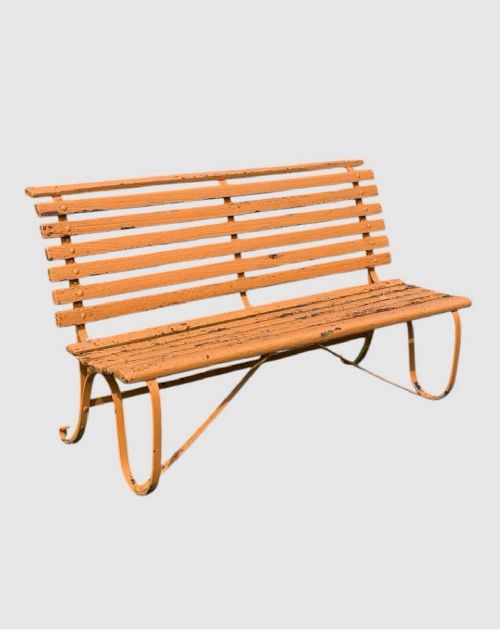


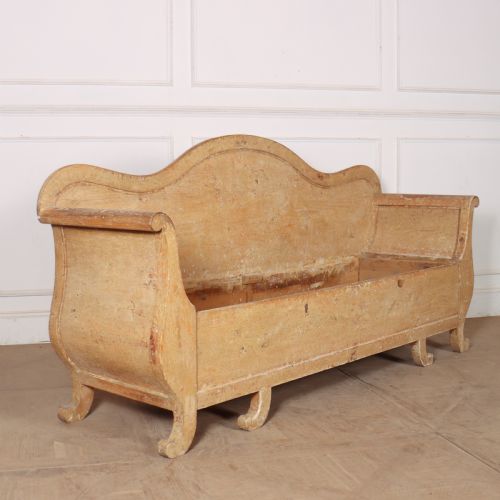

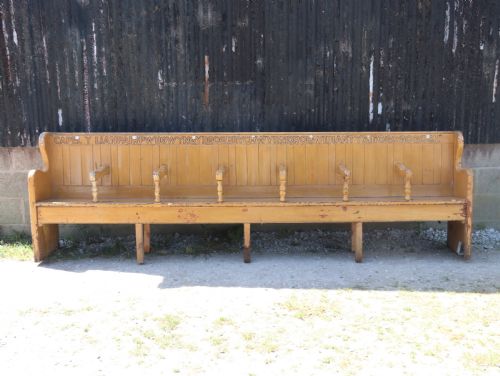

Yellow Painted Bench
These yellow painted bench examples bring distinct regional character and colour to any room, offering practical seating with genuine historical charm.
Yellow Painted Bench
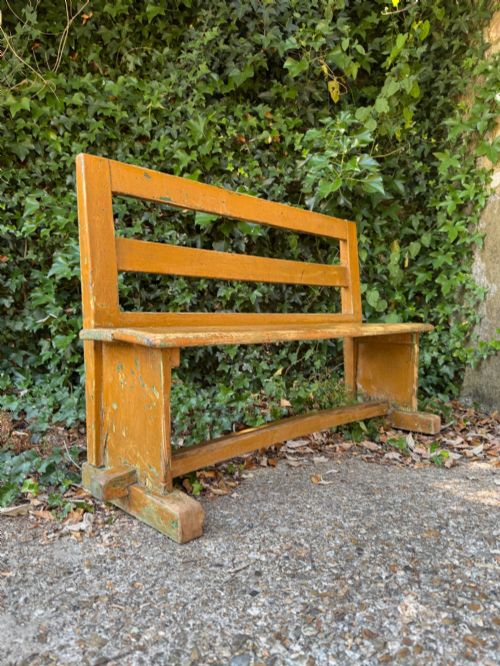
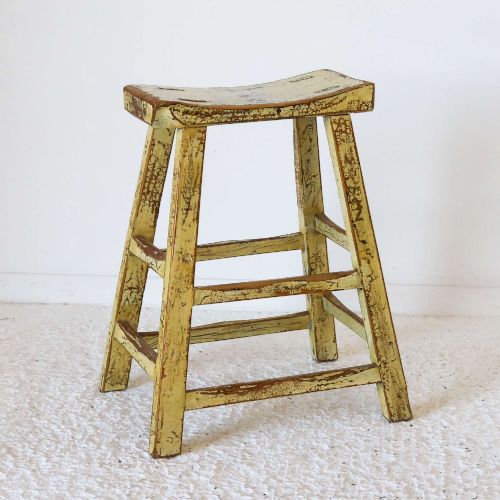
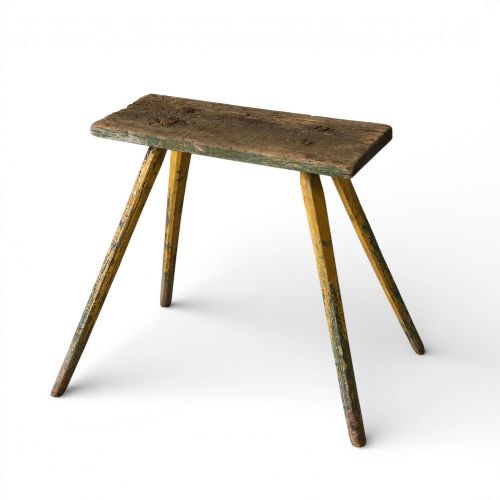
A yellow painted bench encompasses diverse forms ranging from rustic country settles to garden seats and provincial stools. You will frequently encounter pine construction from various European and British regional traditions, alongside occasional elm and ash examples.
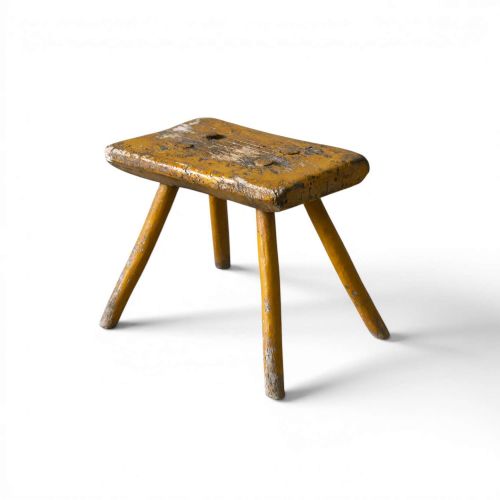
The selection includes pieces spanning the Georgian, Victorian, and later nineteenth-century periods, often retaining their original painted finishes in ochre and related yellow tones. Formats stretch from long three-seater settles and chapel benches down to small milking stools and garden furniture.
Origin points recorded across the listings stretch from Wales and England to France, Hungary, Sweden, and China, showing how widely this seating type was produced. Village workshops and provincial makers created these sturdy items for everyday utility in homes, gardens, and communal spaces.
Materials and construction
Makers relied primarily on softwood timber like pine, alongside harder woods such as elm, fashioned into robust daily furniture. Construction methods combined traditional joinery with heavy timber framing to support hard usage in farmhouses, chapels, and gardens.
Surfaces were finished with layers of paint or lacquer, frequently utilising ochre and distinct yellow pigments that have aged with characteristic patination. Cast iron elements also appear in outdoor garden settings, paired with wooden slats to create durable exterior seating.
Periods represented span the eighteenth century, the Georgian era, the Victorian period, and nineteen hundred.
Assessing quality and character
Quality rests upon the integrity of the original surface finish and the preservation of authentic regional marks or provenance. Pieces retaining untouched historic paint layers demonstrate higher visual appeal than later re-painted examples.
Structural honesty and the balance of regional proportions distinguish finer workshop output from more utilitarian items. Subtle details in turning, spindle work, and board selection separate standard vernacular furniture from exceptional survivals.
The Yellow Painted Bench Glossary
- Settle
- A wooden bench featuring a high back to block draughts, solid arms, and frequently a box compartment beneath the seat for storage. These items served as central pieces of household furniture in European country homes.
- Milking stool
- A small, three-legged or four-legged stool designed for stability on uneven agricultural floors. Makers constructed these simple items from local timber for daily tasks.
- Ochre
- A natural earth pigment ranging from yellow to deep amber, widely used historically for painting vernacular furniture. This mineral colour provides durable and warm tones across rural pieces.
- Provincial
- Describing items made in regional areas outside major metropolitan centres, often reflecting local materials and vernacular traditions. These objects display charming departures from formal academic styles.
- Patina
- The surface sheen and wear developed on wood and paint over centuries of handling and environmental exposure. This gradual ageing process indicates genuine antique status.
Yellow Painted Bench: Frequently Asked Questions
What is a settle bench?
A settle bench is a high-backed wooden seat designed to keep out drafts in older homes, often including storage beneath.
These pieces formed the focal point of the farmhouse kitchen or hall before the widespread use of upholstered sofas.
How do I care for original paint?
Original painted surfaces require gentle dusting with a dry cloth and protection from direct sunlight and high humidity.
Avoid chemical cleaners or abrasive polishes that can lift or dull the historic pigment layers.
Are these benches for outdoor use?
Certain designs like cast iron and wood garden seats were built specifically for exterior park or patio environments.
Indoor pine and elm benches lack weather-resistant treatments and should remain inside away from damp conditions.
How to spot original paint?
Original paint displays natural craquelure, subtle fading, and wear patterns consistent with age and regular use.
Examination under close light reveals microscopic layers of accumulated dirt and historic patination rather than flat modern application.
Where were painted benches made?
Provincial workshops across Britain, Eastern Europe, Scandinavia, and China produced these functional items for local use.
Each region utilised native timber supplies and traditional regional styles suited to domestic or agricultural life.