



Yellow Gold Pendant Chain
A yellow gold pendant chain combines precious metal with a suspended stone or charm, offering a versatile piece of jewellery worn close to the collarbone.
Yellow Gold Pendant Chain
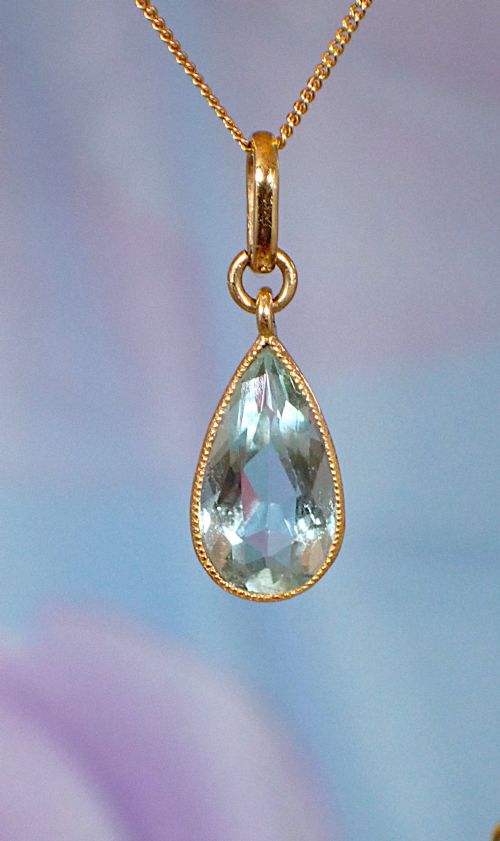
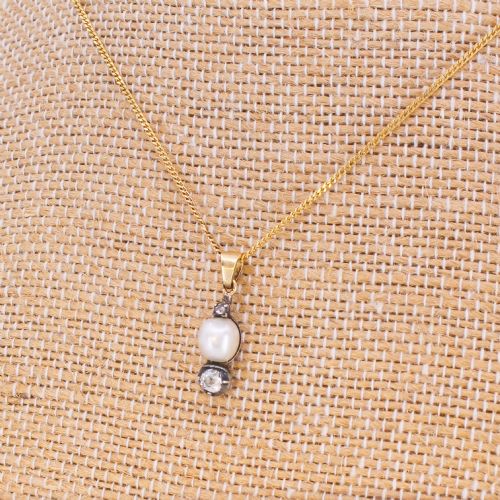
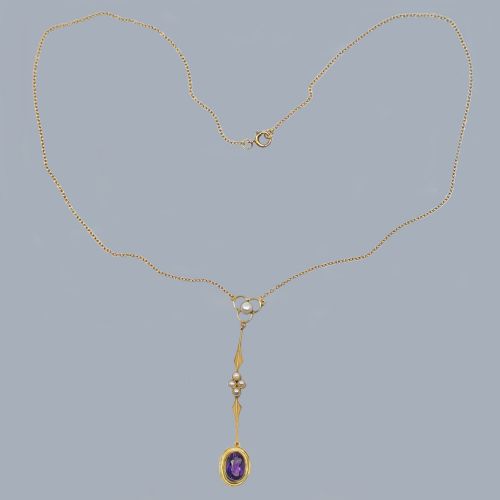
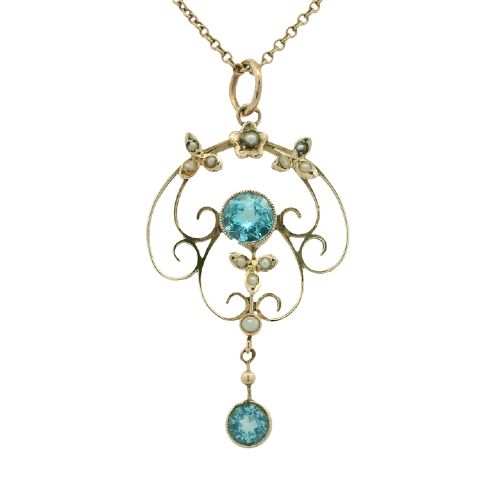
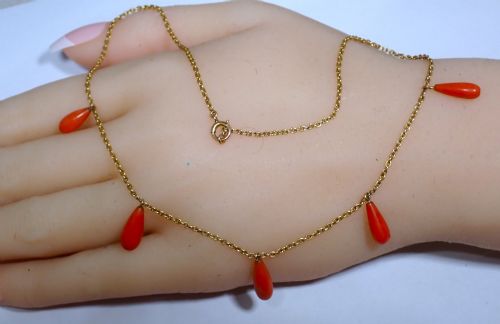
A yellow gold pendant chain brings together a finely linked metallic strand and a suspended decorative element, forming a complete necklace ready for wear. You will frequently encounter Victorian and Edwardian examples featuring delicate drops, alongside mid-century interpretations holding vibrant gemstones.
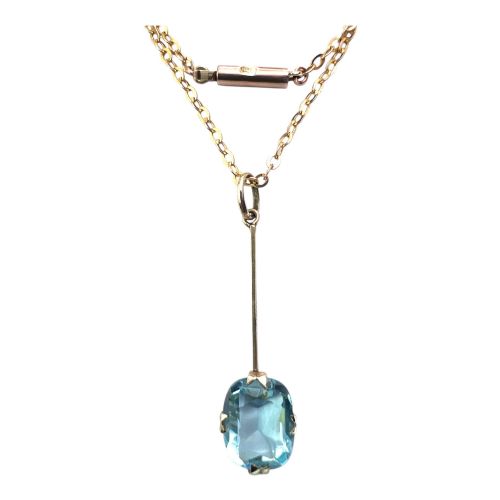
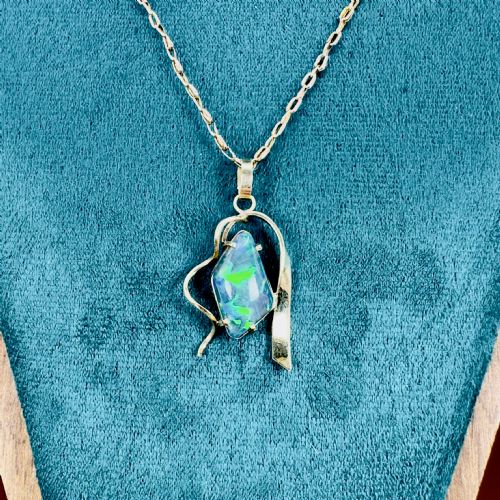
The selection ranges from simple gold chains holding single stones to intricate garland designs set with seed pearls and peridots. Pendant necklaces from the early twentieth century dominate the offerings, often pairing yellow gold with aquamarine, amethyst, or opal.
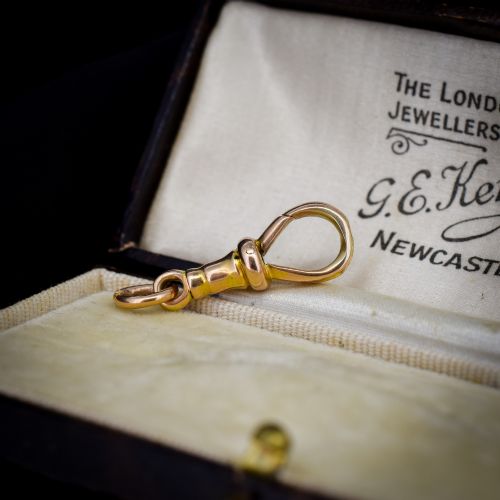
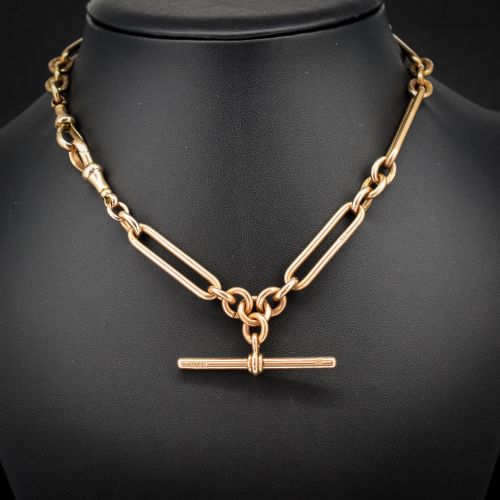
Beyond standard pendant necklaces, the listings include specialised chain forms such as trombone link chains fitted with dog clips and t-bars. These pieces reflect historical utility, having originally served to secure pocket watches or charms before finding new life as standalone neckwear.
How they were made
Goldsmiths utilised varying purities of gold, predominantly nine carat and fifteen carat yellow gold, to shape both the delicate links of the chains and the robust settings of the pendants. Stones such as diamonds, opals, and amethysts were secured using traditional claw settings, bezels, or delicate seed pearl borders.
Chain construction involved meticulous hand-assembly of individual links, ranging from oval and snake patterns to specialised trombone styles. Artisans incorporated decorative elements like filigree work, sliding drops, and articulated joints to enhance the movement and visual depth of each necklace.
Some antique chains started life as pocket watch holders before finding a glamorous second career holding gemstones.
What varies in quality
The distinction between standard and exceptional pieces rests upon the finesse of the metalwork and the selection of the stones. Superior examples display crisp filigree, secure stone settings without excess solder, and substantial gold weight that maintains structural integrity over decades of wear.
Gemstone quality heavily dictates the standing of a piece, separating common commercial stones from vibrant, well-matched natural opals, demantoid garnets, or clean aquamarines. The harmony between the design of the pendant and the specific link pattern of the accompanying chain also signals higher craftsmanship.
Carl Bucherer
The Yellow Gold Pendant Chain Glossary
- Dog clip
- A spring-loaded swivel fastener commonly found on antique watch chains and heavy pendant necklaces. It allows the wearer to easily attach or remove charms, lockets, and pendants.
- Seed pearl
- Very small, naturally occurring pearls often half-drilled and glued or pegged onto fine wire settings. They are characteristic of Victorian and Edwardian cluster and garland jewellery.
- Fob
- A short ornamental chain or pendant historically attached to a pocket watch. In modern contexts, these substantial decorative elements are frequently worn suspended from a standard neck chain.
- Slide chain
- A necklace featuring a movable decorative slide mechanism that adjusts the position of the pendant along the chain. This nineteenth-century form combined practical utility with ornamental design.
- Trombone link
- An elongated, rectangular chain link shape reminiscent of musical instrument tubing. It provides structural strength and a distinctive geometric rhythm to antique chains.
Yellow Gold Pendant Chain: Frequently Asked Questions
Are these chains original to the pendants?
Many antique necklaces retain their original matching chains, particularly those featuring specialised links like trombone patterns or integrated sliding mechanisms. In other instances, pieces have been paired together over time based on matching gold colour and period characteristics.
Examining the wear patterns, gold purity hallmarks, and link construction helps determine whether a pendant and chain share a unified history. Both original configurations and sympathetic later pairings remain common in historical jewellery collections.
How do I care for antique gold chains?
Gentle handling is essential when wearing and storing delicate antique chains and pearl-set pendants. Store each piece separately in a soft pouch to prevent tangling and scratching against harder metals.
Clean the gold and faceted gemstones using warm soapy water and a soft brush, but avoid submerging pearl or opal pieces, as moisture can damage organic stones and traditional adhesives. Professional ultrasonic cleaning should be avoided for softer gems.
What lengths were common for antique chains?
Shorter lengths around fourteen to sixteen inches appear frequently among Edwardian and Victorian pendant necklaces, designed to sit high near the collarbone. Longer chains, extending beyond twenty inches, often originate from utility pieces like watch chains that were later adapted for neck wear.
Choosing a length depends on the intended drop position of the pendant and personal preference for layering. Shorter styles place the focal stone near the throat, while longer versions offer casual drape.
How do I identify Edwardian pendant styles?
Edwardian pendants typically feature light, airy platinum-on-gold work, garland motifs, and delicate settings of seed pearls, aquamarines, or peridots. The designs emphasise feminine grace, utilising symmetrical scrollwork and flowing floral elements.
In contrast to the heavier, darker tones sometimes seen in early Victorian pieces, Edwardian examples favour bright yellow gold paired with pastel stones and intricate openwork metal frames.