

Yellow Gold Heart Jewellery
Yellow gold heart jewellery brings together sentimental design and warm precious metal, spanning Victorian gate bracelets to mid-century charms.
Yellow Gold Heart Jewellery
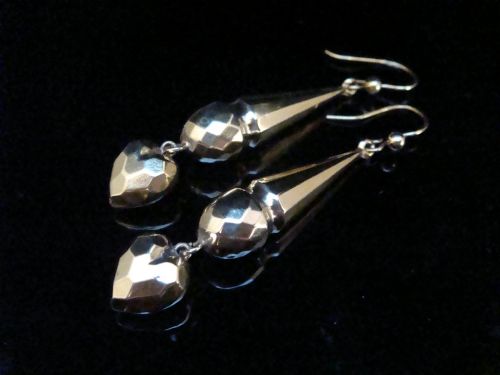
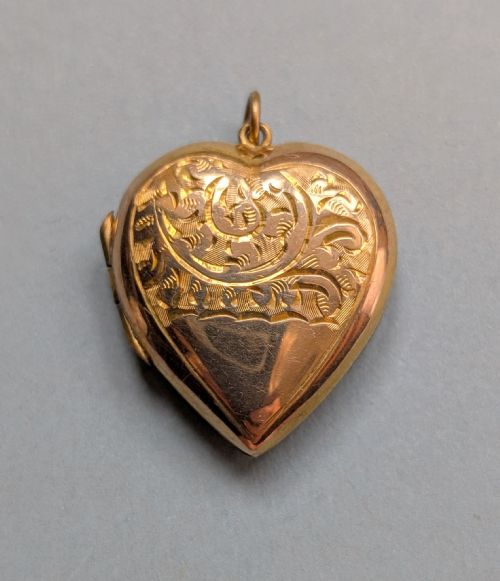
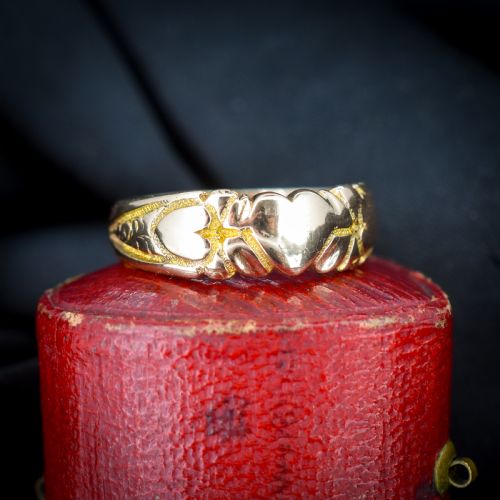
Yellow gold heart jewellery encompasses rings, lockets, pendants, brooches and bracelets created across the Victorian, Edwardian and mid-century eras.
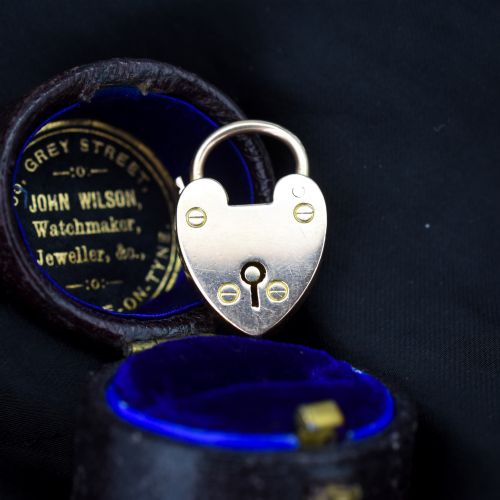
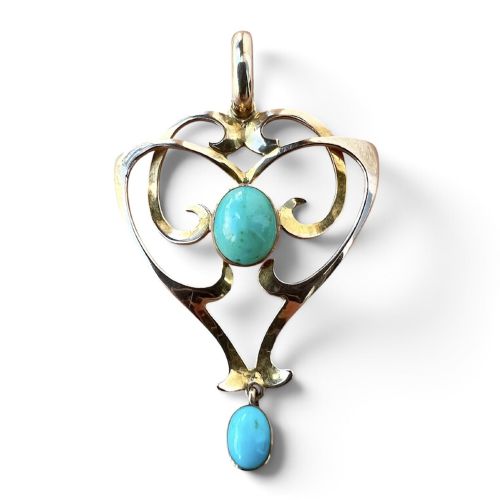
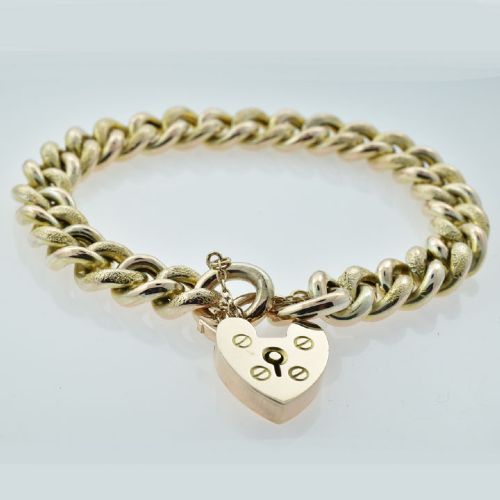
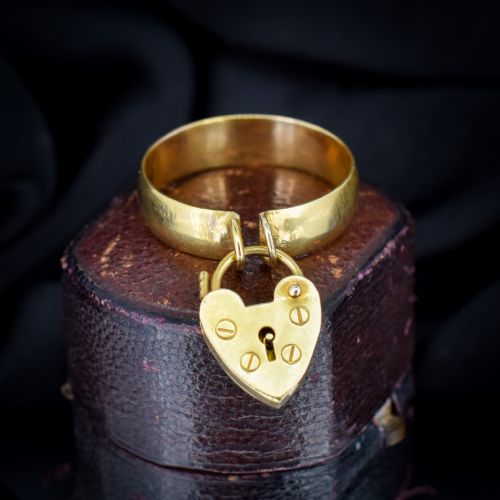
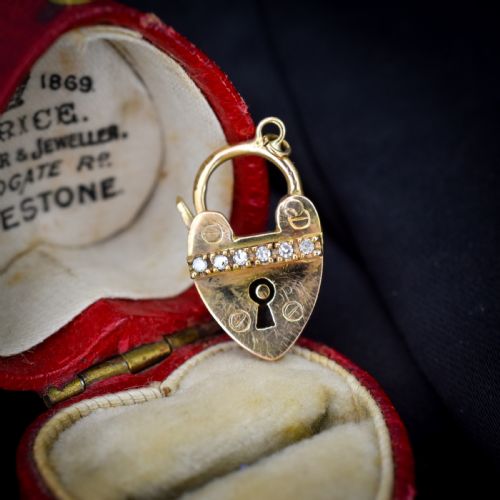
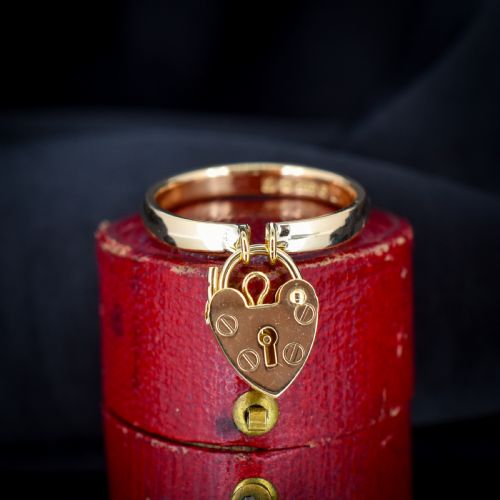
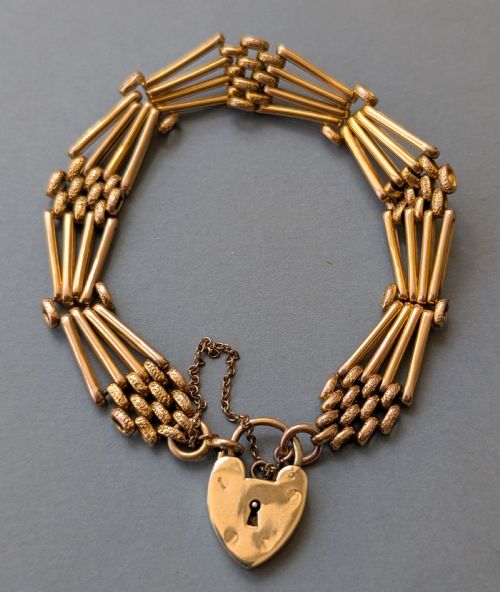
Padlock charms attached to curb or gate link bracelets appear frequently alongside turquoise-set brooches and diamond-accented pendants.
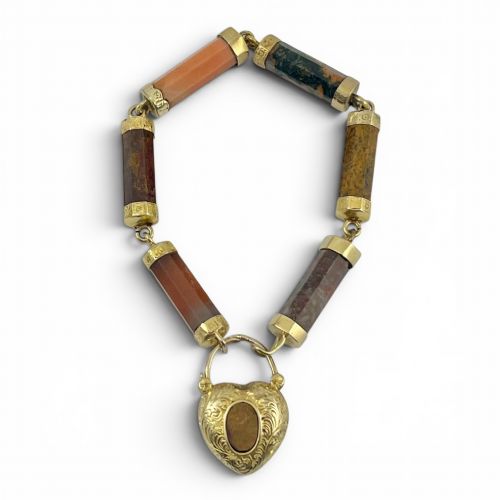
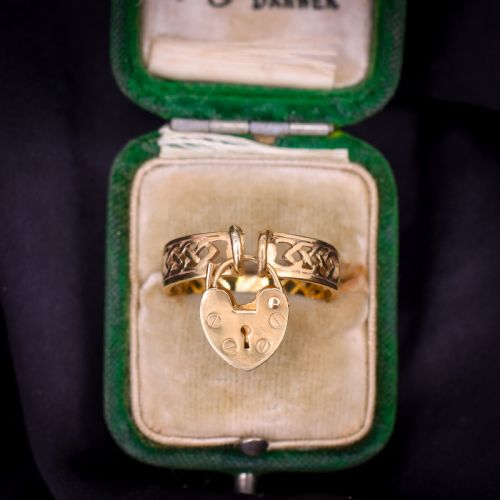
Pieces originate from British workshops and French makers, incorporating regional motifs such as Scottish agate or Celtic designs.
Materials and technique
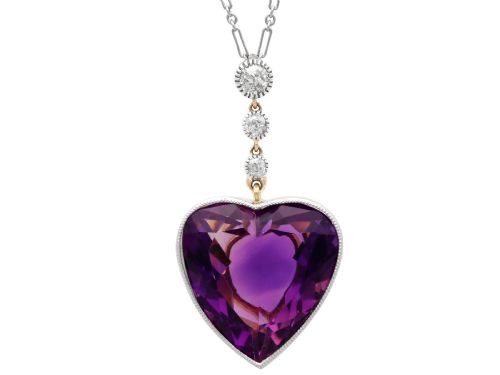
Items utilise yellow gold ranging from nine to eighteen carats, often paired with gemstones including diamonds, rubies, sapphires, amethysts, citrines and turquoise.
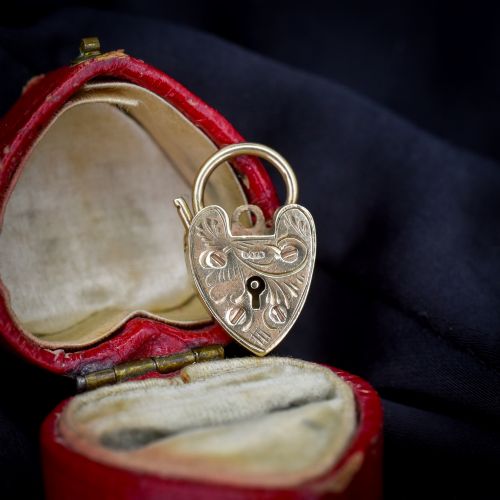
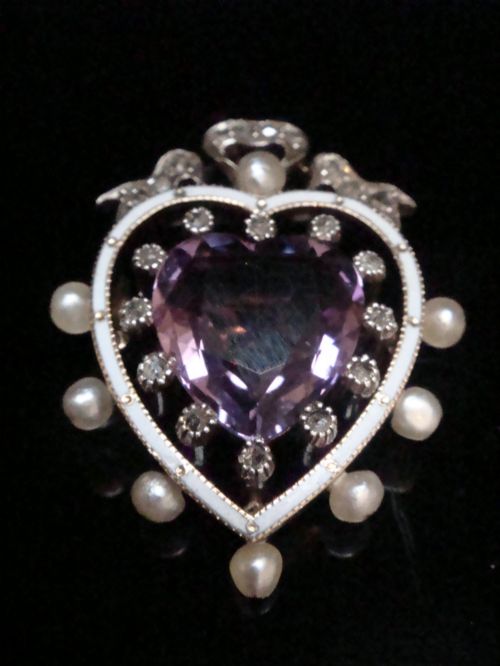
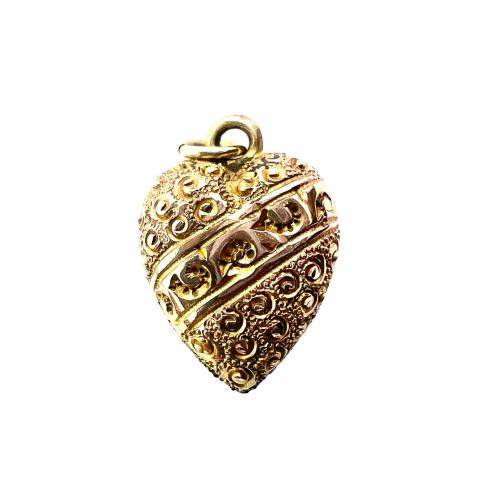
Goldsmiths employed intricate techniques such as guilloche enamel, hand engraving, repousse puffy heart construction and old-cut diamond claw settings.
Natural pearls and seed pearls decorate brooches and pendants, secured alongside gemstones in claw or flush settings.
Yellow Gold Heart Jewellery Retail Price Guide 2026
Typical asking prices for yellow gold heart jewellery among the pieces listed under this phrase on Sellingantiques today, from the lower quarter to the upper quarter. They describe what is for sale here now, not the wider market.
Listings feature yellow gold in nine, fourteen, fifteen and eighteen carats, combined with diamonds, seed pearls, turquoise and enamel.
Assessing the range
Quality separates through the purity of the gold and the precision of hand-engraved details on lockets and padlock charms.
The choice and matching of gemstones, from calibrated rubies to well-matched seed pearls, define the distinction between standard production and finer examples.
Intact enamel work and legible hallmarks provide indicators of original condition and manufacturing origin.
Deakin & Francis·Mazzoni·Vernon
The Yellow Gold Heart Jewellery Glossary
- Guilloche enamel
- Enamel applied over a mechanically engraved metal surface. This technique creates a translucent patterned effect beneath the coloured glass.
- Puffy heart
- A hollow, three-dimensional heart charm or pendant. Goldsmiths formed these by stamping two metal halves and joining them together.
- Padlock charm
- A functioning or decorative lock shaped like a padlock. These secure antique gate and curb link bracelets.
- Gate link bracelet
- A flexible bracelet formed of parallel metal bars connected by links. They frequently fasten with a heart padlock.
- Mizpan
- A sentimental term denoting an emotional bond between people separated. Inscription appears on rings and jewellery of the period.
Yellow Gold Heart Jewellery: Frequently Asked Questions
What periods do these pieces date from?
The selection spans the Victorian and Edwardian eras through to the mid-twentieth century, including items from the eighteen nineties and nineteen thirties.
Each period brings distinct manufacturing techniques, from heavy gold gate bracelets to delicate enamel pendants.
How do I identify the gold purity?
British pieces typically feature hallmarks indicating nine, fifteen or eighteen carat yellow gold, sometimes accompanied by town marks and date letters.
French items utilise eighteen carat gold markings alongside maker stamps or regional control marks.
What gemstones are commonly found?
Designs incorporate diamonds, turquoise, seed pearls, rubies, sapphires, amethysts and citrines. Pearls and turquoise frequently accent Victorian brooches.
Gemstones are set by hand into gold mounts using claw, flush or star settings.
How were heart padlocks used?
Heart padlocks served as functional clasps for curb and gate link bracelets during the Victorian and Edwardian periods.
Many incorporate opening mechanisms and engraved surfaces, functioning as both secure fasteners and decorative charms.