

Yellow Gold Carved Ring
A yellow gold carved ring brings together tactile craftsmanship and warm metal, offering lasting character for daily wear.
Yellow Gold Carved Ring
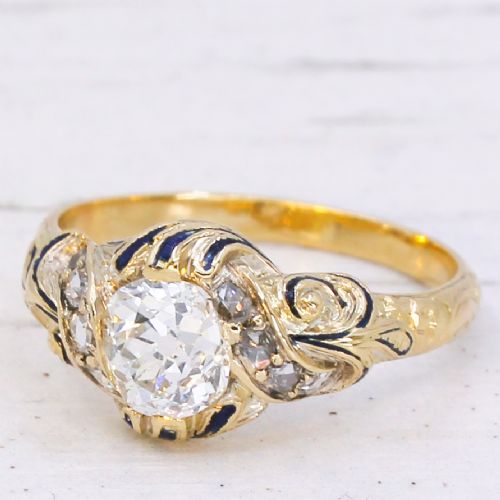
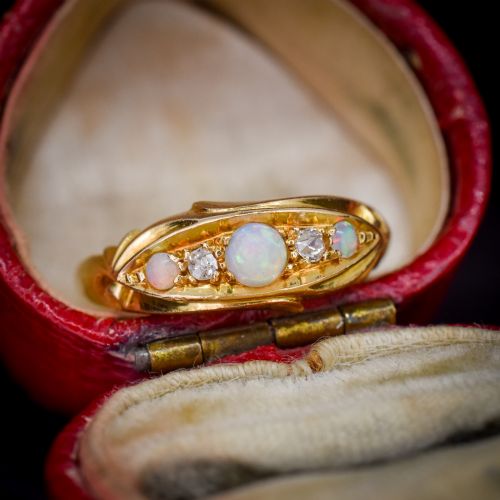
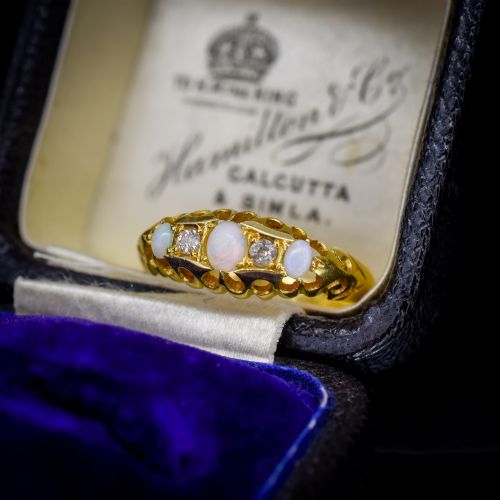
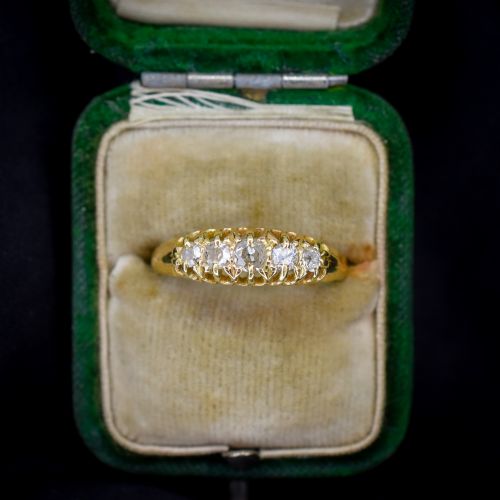
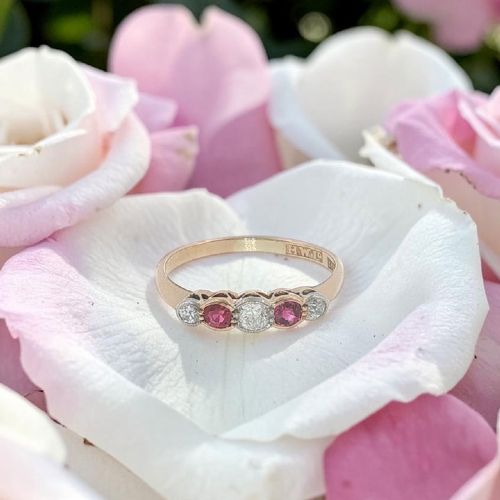
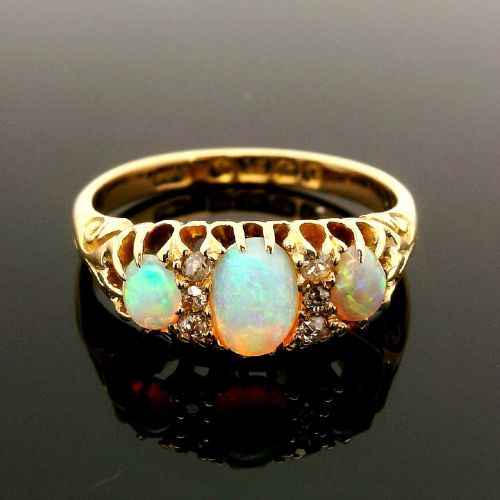
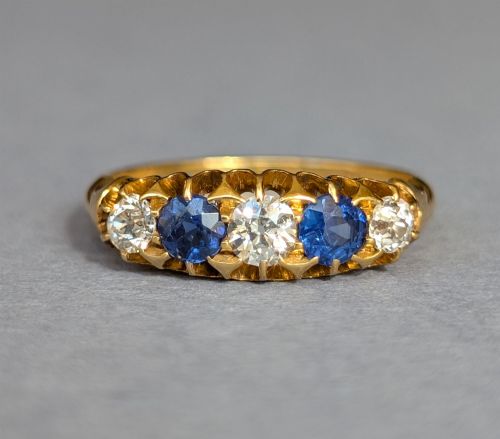
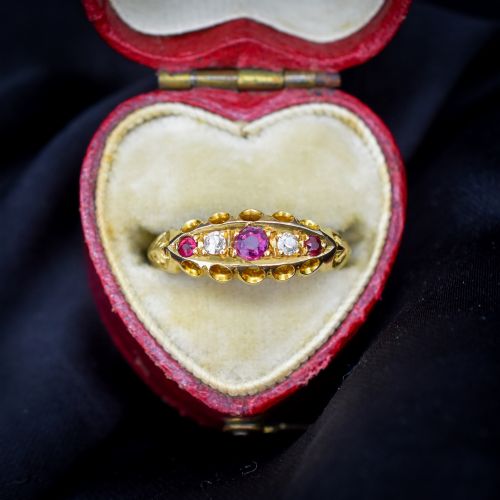
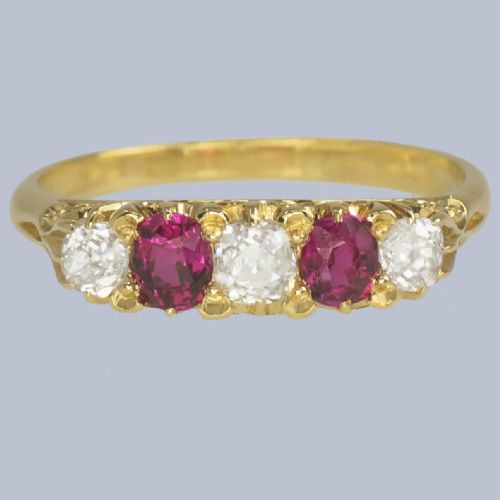
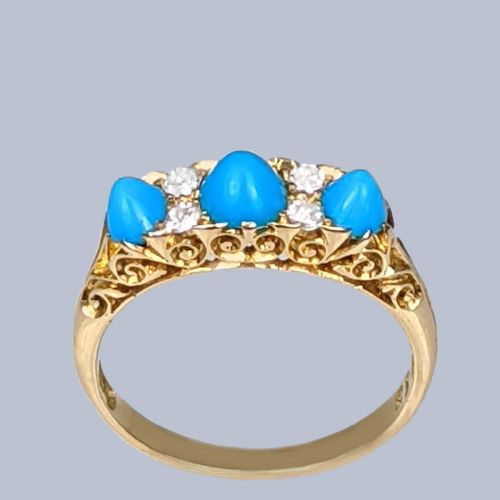
A yellow gold carved ring comprises pieces shaped through traditional metalwork and stone-setting techniques from the Victorian, Edwardian, and mid-century periods. These include boat-shaped clusters, five-stone bands, and gypsy settings in various carats of gold.
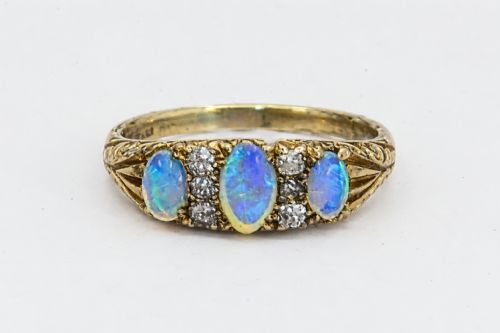
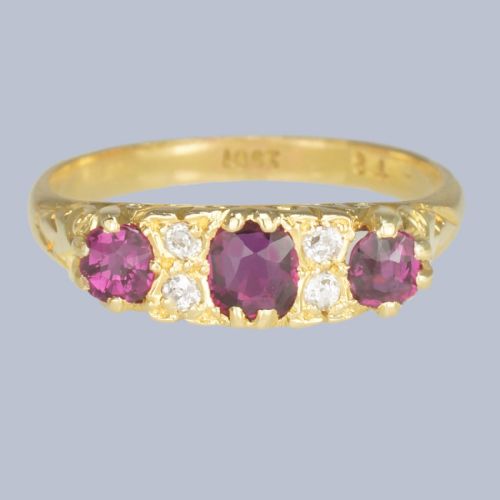
Buyers encounter designs featuring rubies, diamonds, opals, and sapphires set within patterned or plain bands. The selection spans the late nineteenth century through to the mid-twentieth century.
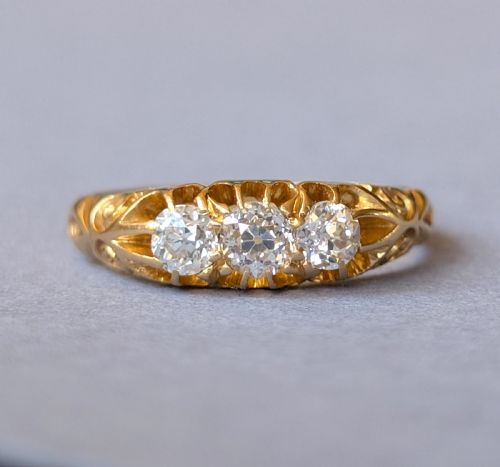
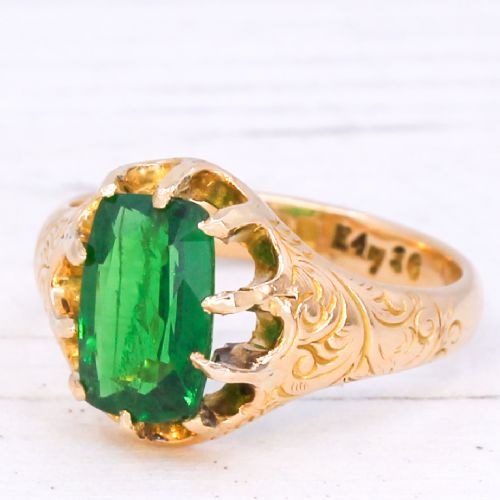
The form of a yellow gold carved ring often incorporates scroll motifs, starburst arrangements, and milgrain details. Pieces range from slender nineteenth-century bands to substantial twentieth-century cocktail rings.
Materials and construction methods
Goldsmiths utilised 18ct gold and 9ct gold as the primary foundation for mounting precious and semi-precious stones. Metal was cast, hand-hammered, and engraved to create detailed shoulders and bezels.
Gemstones including old-cut diamonds, rubies, and opals were secured using claw settings, gypsy flush-settings, and boat-shaped platforms. Hallmarks stamped inside the band record assay offices in cities such as Birmingham and Chester.
Assay marks from Birmingham and Chester appear frequently across nineteenth-century and early twentieth-century gold band rings.
Distinguishing quality across periods
The crispness of hand-engraving and the structural integrity of the stone settings determine the standard of a piece. Superior examples retain sharp decorative motifs on the band shoulders without thinning of the gold shank.
The selection of matched gemstones with lively internal light refraction elevates the character of the setting. Well-preserved hallmarks and legible assay stamps contribute to the historical integrity of the ring.
The Yellow Gold Carved Ring Glossary
- Boat ring
- A curved, boat-shaped cluster setting popular in Edwardian jewellery that elevates central stones above the finger. This configuration allows multiple gems to sit side by side in a tapered formation.
- Gypsy setting
- A style where gemstones are flush-set directly into the thick gold band, leaving a smooth exterior surface. This technique provides security for daily wear.
- Old-cut diamond
- A hand-faceted diamond cut before modern machinery standardised proportions, featuring a small table and high crown. These stones display distinctive soft light reflections under candle or ambient light.
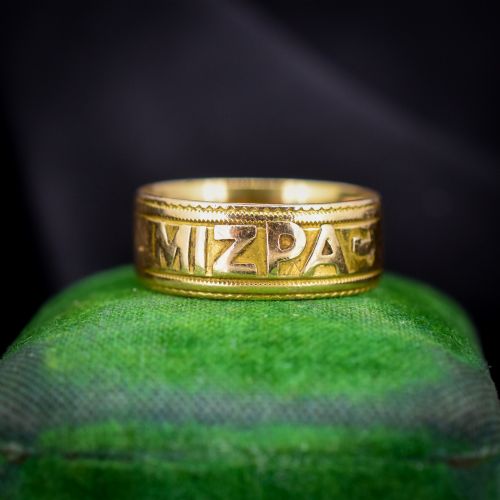
- Mizpah ring
- A sentimental band exchanged between friends or lovers, typically featuring engraved Hebrew lettering denoting an emotional bond. These pieces date predominantly to the Victorian era.
- Trilogy ring
- A ring featuring three principal gemstones representing past, present, and future. They commonly combine diamonds with rubies or sapphires in yellow gold mounts.
Yellow Gold Carved Ring: Frequently Asked Questions
How do I care for an opal ring?
Opal stones contain natural moisture and require protection from harsh chemicals, ultrasonic cleaners, and sudden temperature changes. Remove the ring before washing hands or engaging in heavy manual work.
Store the piece in a fabric-lined box away from direct sunlight and dry environments. Gentle cleaning with a soft, damp cloth preserves the polished surface of the gold and stone.
Can these rings be resized safely?
Most gold bands can be adjusted by a skilled jeweller who understands antique construction methods. The process depends on the thickness of the shank and the presence of engraved details near the shoulders.
Inscriptions or hallmarked areas on the back of the band require careful preservation during adjustment. Consult a specialist familiar with nineteenth and twentieth-century jewellery fabrication.
How do I identify a Victorian ring?
Victorian rings often display distinct stylistic markers such as gypsy settings, chunky five-stone arrangements, and sentimental motifs like hearts and Mizpah inscriptions. Hallmarks stamped inside the band provide specific date letters and assay office symbols.
The gold purity typically registers at 18ct or 9ct, shaped through hand-finishing techniques that differ from mass-produced modern items. Examining the wear patterns on the inner shank also offers clues to the age of the piece.