



Yellow Citrine Necklace
A yellow citrine necklace brings together bright golden quartz and precious metals, offering a versatile piece of historic jewellery.
Yellow Citrine Necklace
Buyers encounter faceted quartz stones paired with silver, 9ct gold, and 18ct yellow gold, often complemented by diamonds, pearls, or rubies.
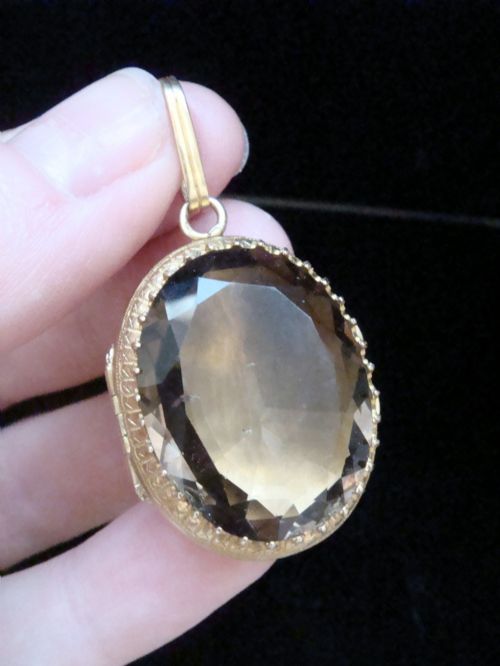
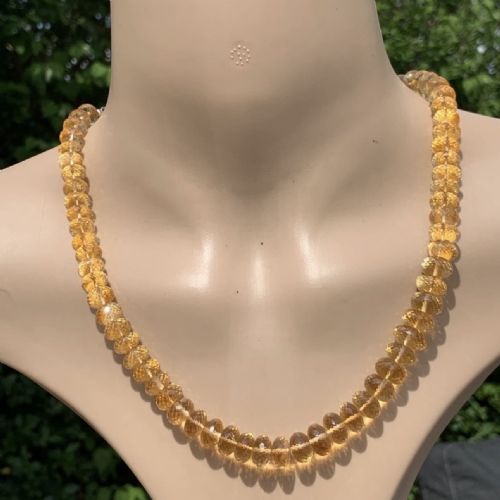
The selections range from French witch's heart charms and spinner fobs to large faceted stone necklaces dating from the 1950s.
Materials and construction methods
Goldsmiths utilise 9ct and 18ct yellow gold alongside silver settings to mount large faceted citrine stones and coloured gems.
Craftsmen combine gemstone cutting techniques like trillion cuts with pearl stringing and locket construction to build structured pendant necklaces.
Yellow Citrine Necklace Retail Price Guide 2026
Typical asking prices for yellow citrine necklace among the pieces listed under this phrase on Sellingantiques today, from the lower quarter to the upper quarter. They describe what is for sale here now, not the wider market.
Some stones spin freely in their mounts, turning a piece of jewellery into a pocket-sized fidget toy from the past.
Assessing quality in the range
The calibre of a yellow citrine necklace depends on the depth of the quartz colour, stone weight, and the complexity of the gold or silver mount.
Pieces featuring secondary gems like diamonds and rubies alongside substantial precious metal work represent the upper tier of craftsmanship.
The Yellow Citrine Necklace Glossary
- Citrine
- A transparent yellow variety of quartz valued for its warm golden hue. It appears frequently in historic necklaces and pendants.
- Locket
- A hinged pendant designed to hold a small portrait or keepsake. Victorian examples often incorporate citrine stones on the cover.
- Fob
- A short chain or ornament attached to a pocket watch, occasionally repurposed as a pendant. These items feature large faceted stones set in gold.
Yellow Citrine Necklace: Frequently Asked Questions
What periods do these necklaces come from?
The available pieces span the Georgian, Victorian, Edwardian, and mid-twentieth century eras. Each period brings distinct metalwork and setting styles.
Craftsmanship shifts from early handmade gold mounts to later twentieth-century modernist designs and cluster settings.
Are these necklaces made of solid gold?
Many examples utilise solid 9ct yellow gold or 18ct yellow gold for the chains, settings, and pendant bodies. Silver is also utilised across historical pieces.
Precious metal marks and tests confirm the material composition of each individual necklace or pendant.
How should I care for a citrine necklace?
Citrine is a durable quartz, but historic settings require gentle handling to protect delicate claws and surrounding pearls or seed pearls.
Store the necklace flat in a lined box and avoid harsh ultrasonic cleaning solutions that might damage older organic gems.
What stones accompany citrine in these pieces?
Designers frequently pair citrine with diamonds, rubies, garnets, amethysts, and smokey quartz. Pearls and seed pearls also appear as accents.
These combination pieces create colourful cluster pendants and multi-gem drop necklaces.