



Yellow and Rose Gold
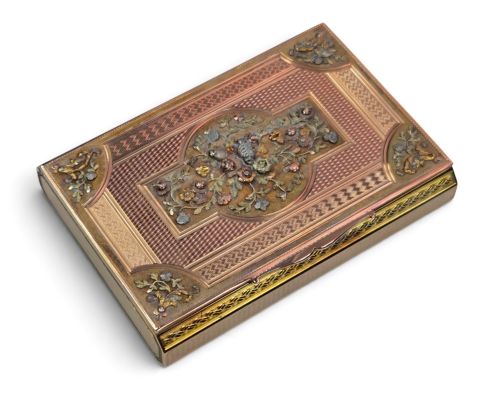
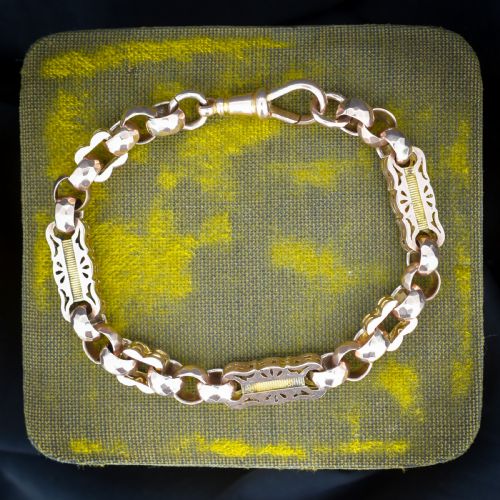
Yellow and rose gold pieces unite two distinct metal tones in jewellery and objects spanning the Victorian era to the mid-century.
Yellow and Rose Gold
Objects searchably described as yellow and rose gold span decorative jewellery items designed to display the contrasting warmth of dual-metal craftsmanship.
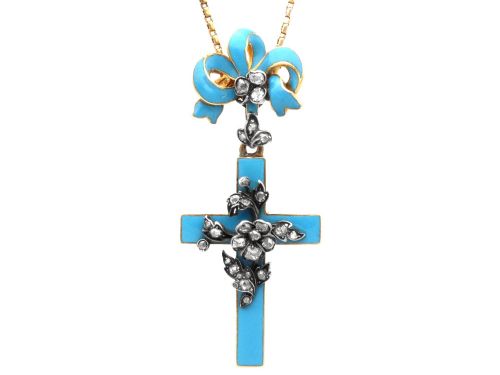
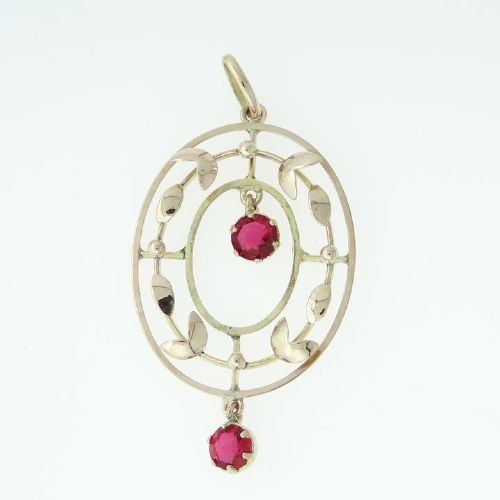
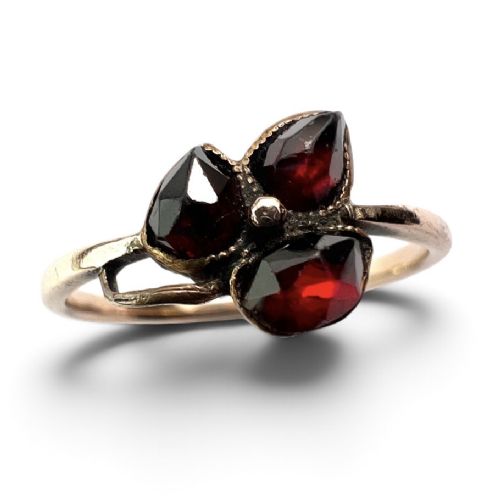
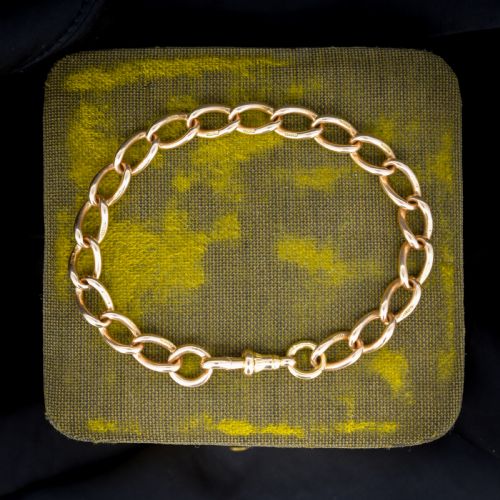
Buyers encounter rings, pendants, earrings, bracelets, bangles, brooches and lockets originating primarily from the Victorian, Edwardian and mid-century periods.
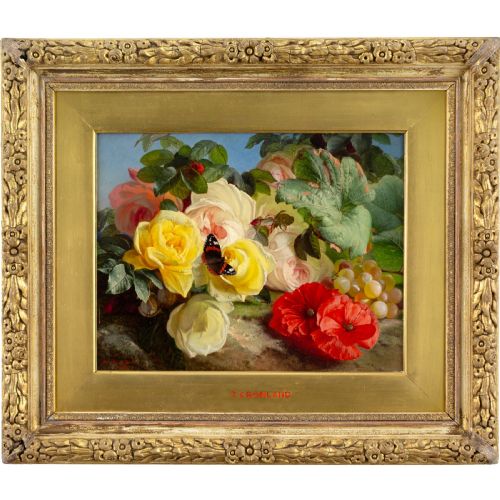
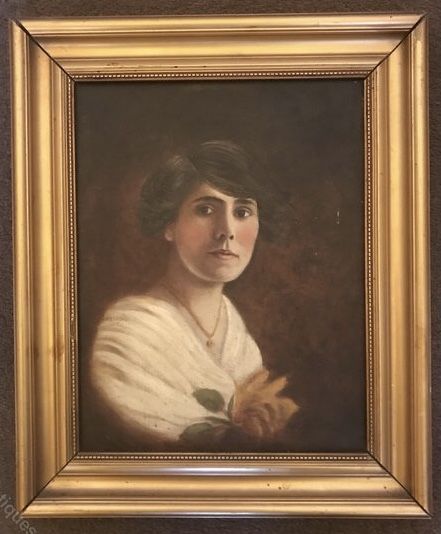
French religious medals and oil paintings featuring floral subjects or portraits also appear alongside the wearable items in this selection.
Materials and construction methods
Pieces combine yellow gold and rose gold alloys alongside settings of silver, platinum or enamel to highlight gemstones such as diamonds, sapphires, rubies, garnets and pearls.
Goldsmiths utilised casting, repoussé, engraving and plique-à-jour enamelling techniques to shape intricate floral motifs, religious iconography and serpent designs.
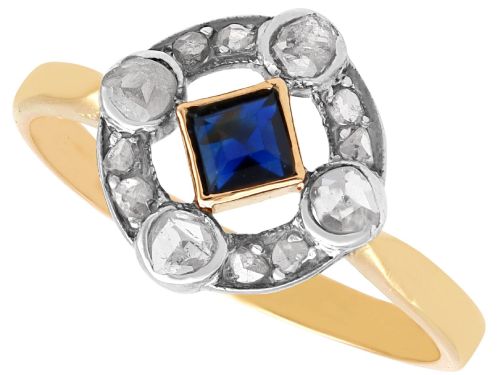
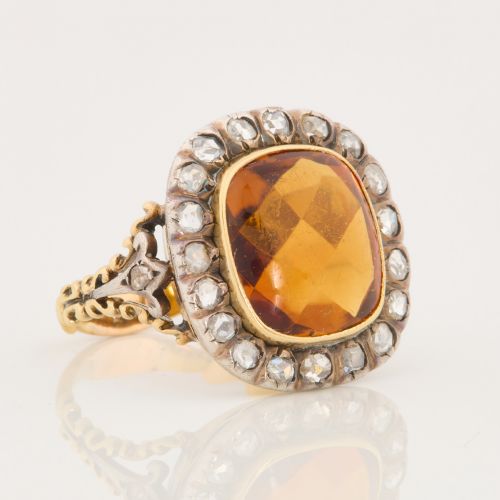
Diamonds are frequently rose-cut or old mine-cut, mounted by hand into closed or open-backed metal housings characteristic of nineteenth and early twentieth-century workshops.
Yellow and Rose Gold Retail Price Guide 2026
Typical asking prices for yellow and rose gold among the pieces listed under this phrase on Sellingantiques today, from the lower quarter to the upper quarter. They describe what is for sale here now, not the wider market.
Listings include items spanning the 16th century through the Victorian, Edwardian and mid-century periods, utilising gold, silver, diamonds, rubies, emeralds and sapphires.
Factors separating range extremes
The sophistication of the metalwork separation between yellow and rose gold components dictates the visual clarity and balance of each piece.
Complexity in gemstone selection, such as unheated sapphires or matched natural pearls, distinguishes standard production from exceptional examples.
The preservation of original clasps, boxes and hallmarking integrity influences the physical completeness of surviving items.
Andrew Grima·Persinet
The Yellow and Rose Gold Glossary
- Rose cut
- A diamond cut featuring a flat base and a faceted dome that typically resembles the petals of an opening rosebud. This historic style maximises stone spread relative to carat weight.
- Toi et Moi
- A French term meaning you and me, describing a ring featuring two main gemstones set close together as companions. The design gained popularity during the Edwardian and Art Nouveau periods.
- Plique-à-jour
- An enamelling technique where enamel is applied to a cellular framework without a backing, allowing light to shine through the transparent or translucent colour similar to stained glass.
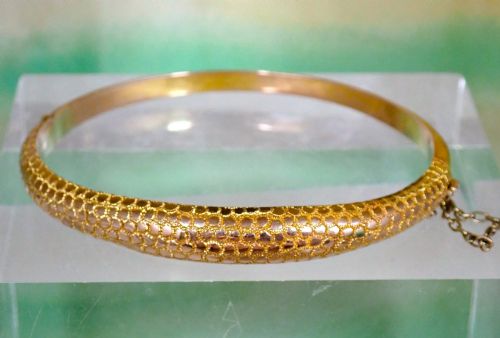
- Bangle
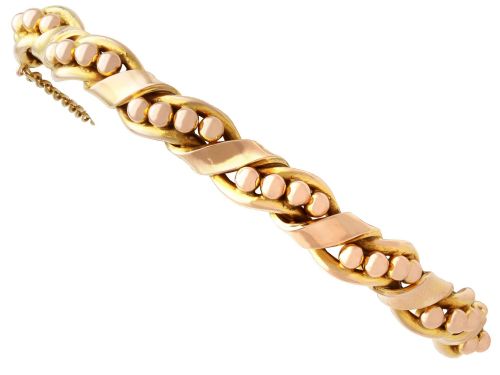
- A rigid bracelet that slips over the hand or fastens with a hinge and clasp. Many historical examples incorporate safety chains alongside integrated locking mechanisms.
- Gypsy ring
- A style where gemstones are flush-set directly into a thick, tapered metal band. The smooth surface profile characterises late nineteenth-century designs.
Yellow and Rose Gold: Frequently Asked Questions
What periods do these pieces represent?
The items span from the early nineteenth century through the Victorian and Edwardian eras into the mid-twentieth century.
Maker marks, regional styles and distinct gemstone cuts assist in identifying the specific decade of production.
How do yellow and rose gold differ?
Yellow gold achieves its warm hue through an alloy of gold mixed with silver and copper in balanced proportions. Rose gold increases the copper content to produce a distinctly pinkish or reddish tint.
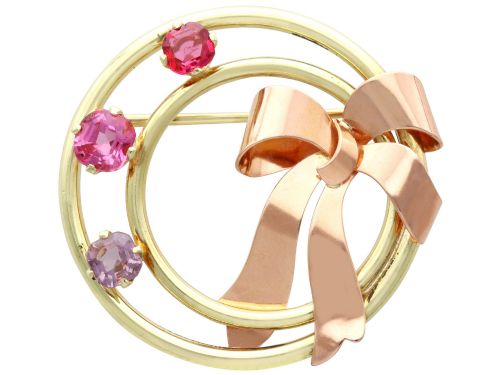
When combined in a single object, the contrasting colours accentuate specific design elements such as leaves, ribbons or intertwined bands.
Were these items worn daily?
Many Victorian and Edwardian pieces served as everyday personal adornments, including engagement rings, mourning jewellery and religious medals. Robust construction in higher carat golds ensured durability for continuous wear.
Delicate additions like enamel work or low-set pearls required more careful handling by their original owners.
How should I care for antique jewellery?
Gentle cleaning with a soft cloth helps preserve the integrity of aged metals and delicate gemstone settings. Professional inspection protects vulnerable elements like old-cut stones and historic clasps from accidental damage.
Avoiding harsh chemical immersion maintains the original patina accumulated over centuries.