


Ww1 Trench Art
These pieces of ww1 trench art carry the immediate touch of soldiers and prisoners who fashioned metal, wood, paper and glass into lasting objects.
Ww1 Trench Art
When you search for ww1 trench art, you encounter a distinct category of military-associated objects created during conflicts primarily in the early twentieth century. These items emerge from the hands of soldiers and prisoners of war who utilised whatever materials happened to be near at hand.
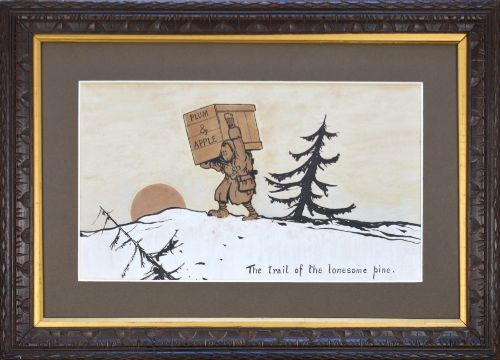
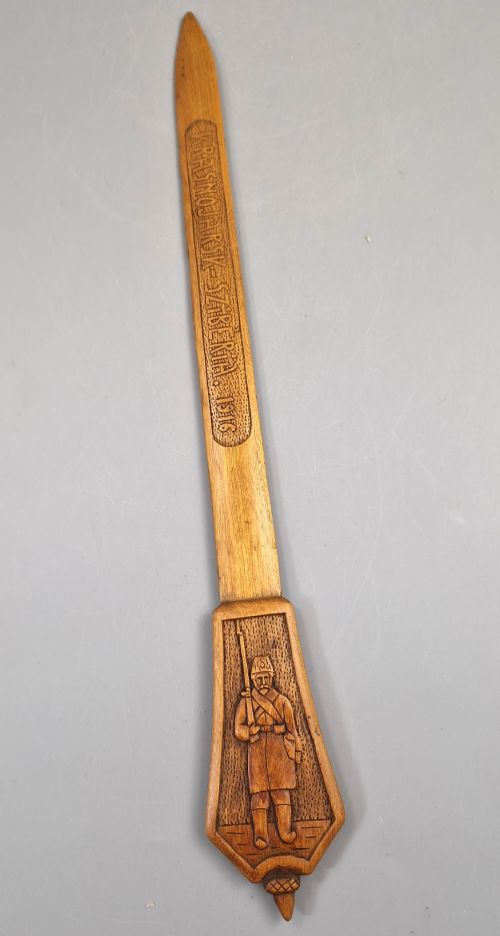
The objects most frequently met on this page include brass shell cases, carved wooden letter openers, and framed watercolour or charcoal battlefield drawings. You also find domestic forms such as candlesticks, vases, mantel clocks, and smoking pipes.
The periods represented stretch from the Edwardian era through the nineteen-forties, capturing both active wartime creation and later prisoner of war pieces. Each piece reflects the specific conditions of its making, whether carved in Siberia or drawn near Arras.
Materials and construction
The physical substance of these pieces relies heavily on metals like brass and copper, sourced directly from artillery shell cases and ordnance. Artisans hammered, engraved and shaped these rigid metals into vases, bells, and representations of tanks.
Wood and horn appear frequently, carved with tools into intricate letter openers or propaganda pipes by prisoners of war. Paper, ink and watercolour support the visual record, capturing battlefield scenes and illustrations on the Western Front.
Materials seen in these listings include wood, paper, glass, brass, watercolour, copper, metal, and ink.
Distinctions in quality
The distinction between ordinary and exceptional pieces rests upon the precision of the handwork and the clarity of the provenance. Sharply executed repoussé work on brass shell cases or finely detailed wooden carvings separate accomplished makers from casual creators.
Context elevates certain items, particularly when an object bears specific dates, locations such as Krasnojarsk or Arras, or named individuals. The survival of original framing on drawings and the structural integrity of composite horn and wood items also govern the standing of a piece.
Bruce Bairnsfather·Leopold Halvoet
The Ww1 Trench Art Glossary
- Trench art
- Objects made by soldiers, prisoners of war or civilians from war scrap and military debris. These items range from engraved artillery shells to carved wooden implements.
- Shell case
- The brass or metal cylinder that held propellant for artillery fire. These durable casings formed the primary raw material for vases, bells, and decorative metalwork.
- Pow
- Prisoner of war. Items designated this way often reveal the specific conditions and geographical locations of internment camps.
- Watercolour
- A paint method using water-soluble pigments on paper. Many contemporary battlefield records and illustrations take this portable form.
- Mamluk Revival
- A nineteenth and early twentieth century design style drawing on medieval Islamic metalwork patterns. Certain decorative items reflect these historicist influences.
Ww1 Trench Art: Frequently Asked Questions
How were shell cases decorated?
Artisans utilised hammering, chasing, and engraving techniques directly onto brass artillery casings to produce decorative patterns and armorial bearings.
This transformation turned discarded munitions into lasting commemorative vessels and mantel pieces.
Where did these items originate?
Makers produced these works on active fronts, in prisoner of war camps across regions like Siberia, and within occupied territories.
Inscriptions and dates frequently record specific locations such as Arras or Krasnojarsk.
How do I care for brass pieces?
Metal objects require minimal intervention to preserve their historic surface appearance and natural patination accumulated over decades.
Dust gently with a dry cloth and avoid aggressive polishing that might remove period engraving details.
Are paper drawings contemporary?
Watercolour paintings and charcoal drawings capture frontline scenes created during the Edwardian period and the First World War years.
Protect these works from direct sunlight to prevent fading of the original ink and pigments.