
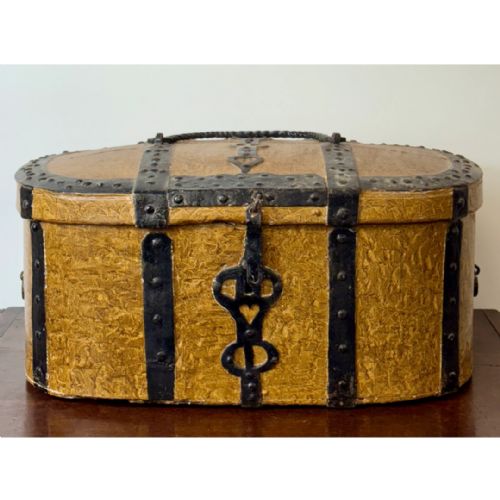
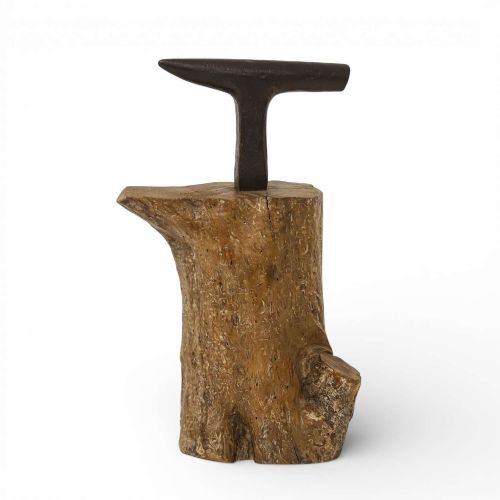
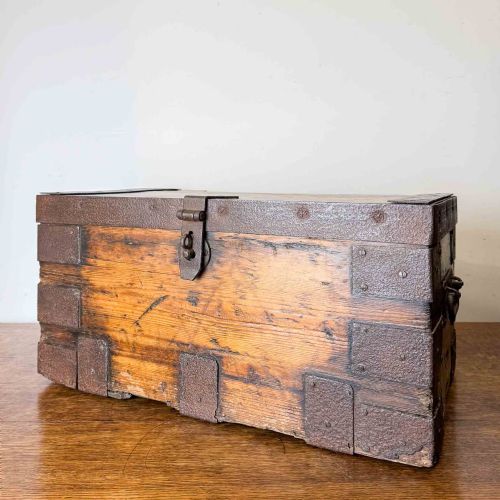


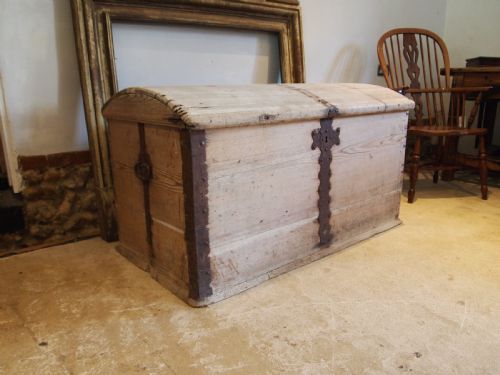




Wrought Iron Trunk
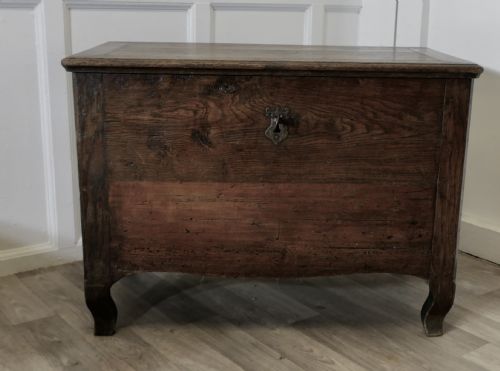
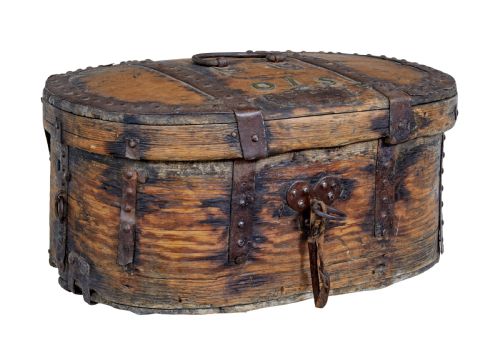
These wrought iron trunk pieces are robust storage boxes framed in metal and wood, offering genuine utility and rustic character for the home.
Wrought Iron Trunk
When you search for a wrought iron trunk, you encounter heavy storage pieces ranging from large blanket chests to compact strongboxes. The selections span the seventeenth, eighteenth, and nineteenth centuries, with strong representation from Scandinavian folk art and Spanish Baroque styles.
The most frequent items on this page are timber coffers and boxes bound with iron straps, alongside marriage chests and painted Scandinavian dome-top pieces. Regional variations include French cannonball boxes, British farrier anvil mounts, and Indian iron-bound trunks.
Originating primarily from domestic, rural, or maritime contexts, these utilitarian objects double as sculptural elements. Their construction reflects the practical security needs of past centuries, utilising heavy hinges, working locks, and side lifting handles.
Materials and construction methods
The primary structural materials combine sturdy timbers such as pine, oak, elm, walnut, and fruitwood with hand-forged wrought iron. Blacksmiths shaped iron bands, straps, and hasps to reinforce the wooden corners and lids against forced entry.
Joinery methods rely on traditional pegged and dovetailed joints suited to heavy daily use. Many surfaces feature applied paint, dark stains, or Moorish style decoration, protecting the underlying wood while adding distinct regional folk art character.
One trunk doubles as an anvil mount, proving that nineteenth century farriers recycled sturdy furniture to hold heavy blacksmithing tools.
Judging the quality of these metal-bound boxes
Quality rests in the integrity of the original forge work and the preservation of the timber. Fine examples retain their original hand-hammered iron straps, functional keys, and working locks rather than later replacement hardware.
The depth of character in the painted finishes or the patination of the bare wood distinguishes superior pieces. Well-balanced proportions and untouched regional details elevate a standard utility box to a compelling vernacular artefact.
The Wrought Iron Trunk Glossary
- Coffer
- A heavy wooden chest traditionally used for storing valuables or documents. These pieces often feature reinforced iron bands and secure locking mechanisms.
- Strongbox
- A secure container built from thick timber and iron plating designed to protect money and precious items. They frequently include complex internal locking mechanisms and carrying handles.
- Dome top
- A rounded lid style common on seventeenth and eighteenth century storage pieces. This curved design helps shed moisture and increases internal storage capacity.
- Marriage chest
- A celebratory storage box commissioned for a wedding, often inscribed or decorated with specific motifs. Scandinavian examples frequently display detailed folk art paintings.
- Hasps
- A slotted hinged metal plate that fits over a staple and is secured with a pin or padlock. They form a primary security feature on iron bound trunks.
Wrought Iron Trunk: Frequently Asked Questions
How were these metal bound trunks originally used?
These boxes served secure domestic and commercial roles, holding family valuables, textiles, or legal documents. Their heavy iron strapping protected contents from theft, pests, and transit damage.
Trunks designed with side lifting handles allowed merchants and travellers to load them onto carts or ships with relative ease.
Where do most of these antique trunks originate?
The pieces originate from various European and international regions, with a strong emphasis on Scandinavian folk art workshops and Spanish provincial makers.
British, French, and Indian examples also appear, each utilising local timber species and distinct regional blacksmithing techniques.
How do I date an iron bound box?
Dating relies on observing the construction of the timber joints, the style of the ironwork, and any decorative paintwork. Hand-forged strap hinges and seventeenth or eighteenth century Baroque motifs point to earlier periods.
Later nineteenth and early twentieth century examples display more standardised mechanical fastenings and machine-cut timber elements.
How do I clean and maintain antique ironwork?
Maintain wrought iron by keeping it dry and gently removing dust with a soft brush. Applying a microcrystalline wax can protect the metal surface from moisture without altering its historic finish.
Avoid harsh chemical cleaners or abrasive scouring pads that might strip away centuries of accumulated patination.
Can I use these chests as coffee tables?
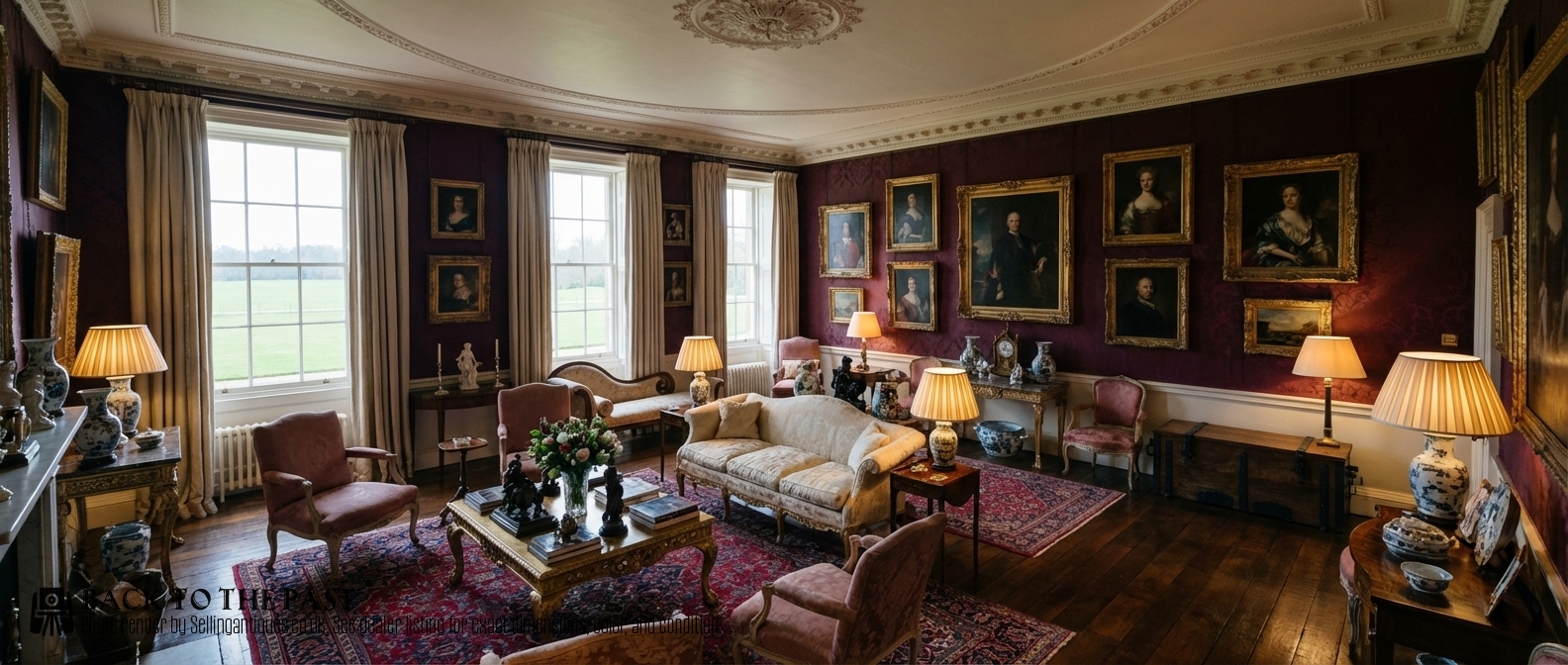
Their flat lids and sturdy wooden construction make these chests suitable for use as coffee tables or accent seating. They provide hidden storage space while anchoring a room with historic texture.
Ensure the antique lid remains stable enough to support books or serving trays without risking damage to the surface.