







Wrought Iron Strap
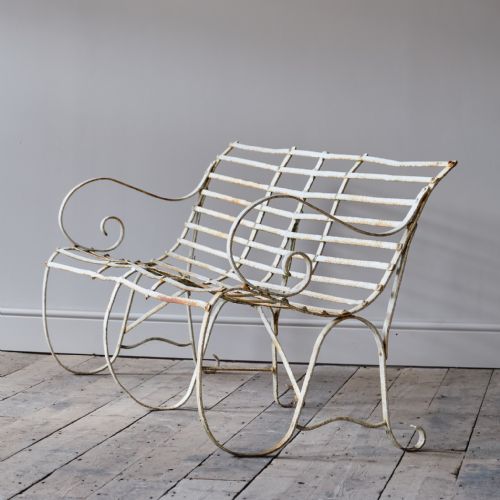
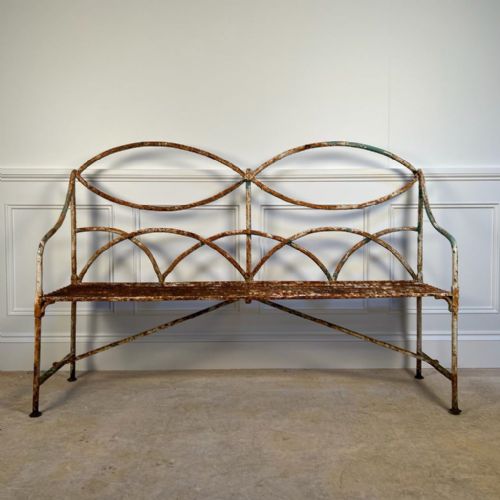
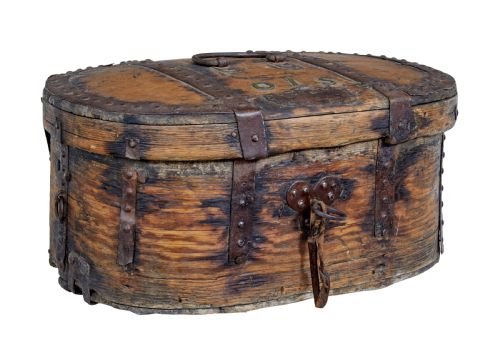
These wrought iron strap pieces are robust garden benches and iron bound boxes built to endure through centuries of practical use.
Wrought Iron Strap
When you search for wrought iron strap, you are looking at substantial garden seating and heavily reinforced storage trunks designed for enduring utility. These items range from garden benches featuring strap work to marriage boxes and coffers bound in metal.
The pieces you are most likely to meet on this page date from the 17th century through to the early 20th century. They originate from British, French, Scandinavian, and Indian traditions, reflecting both rustic country workshops and formal garden styles.
Materials and construction
Blacksmiths hammered wrought iron into reinforcing straps, hinges, and hasps to secure timber chests and ornament garden benches. These iron components were fastened to sturdy woods such as oak, pine, elm, and painted surfaces.
Makers utilised traditional joinery for the wooden bodies of trunks and coffers, often applying hand-applied paint finishes or leaving the timber raw. The iron strap work provides both structural integrity and decorative contrast against the wood.
Wrought Iron Strap Retail Price Guide 2026
Typical asking prices for wrought iron strap among the pieces listed under this phrase on Sellingantiques today, from the lower quarter to the upper quarter. They describe what is for sale here now, not the wider market.
Listings feature items spanning the 17th century to the 1930s, incorporating pine, oak, elm, paint, and brass alongside wrought iron.
Judging quality in iron strap work
Quality rests in the hand-forged character of the iron straps and the integrity of the timber construction. Heavier gauge ironwork and sophisticated blacksmithing distinguish finer items from simpler utilitarian boxes.
The depth of the folk art painting on wooden surfaces and the survival of original working locks and carrying handles elevate a piece. Finer examples maintain an uncompromised harmony between their iron reinforcement and wooden bodies.
The Wrought Iron Strap Glossary
- Wrought iron
- Iron that has been heated and hammered into shape by a blacksmith, known for its fibrous texture and resilience. It resists rust better than modern cast iron and bends rather than snaps under pressure.
- Coffer
- A heavy wooden box traditionally used for storing valuables, documents, or textiles. These pieces are often reinforced with iron straps for security during transport.
- Hasps
- A slotted metal plate that fits over a staple and is secured by a pin or padlock. This hardware is essential for keeping historic trunks and boxes securely closed.
- Marriage box
- A traditional gift chest presented during weddings, often inscribed, painted, and heavily bound in iron. They served as a household's primary repository for linens and valuables.
Wrought Iron Strap: Frequently Asked Questions
What were wrought iron strap boxes used for?
These heavily bound chests served as secure storage for valuable household goods, legal documents, and bridal linens. Their robust construction allowed them to withstand long journeys and household moves.
Over time, they transitioned from utilitarian storage in country homes to decorative furniture pieces. Their strong iron reinforcement ensured contents remained protected from pests and dampness.
How do I date a wrought iron strap piece?
Dating relies heavily on the construction methods of the timber body and the style of the forged iron straps. Earlier 17th and 18th-century examples often display hand-cut dovetails and baroque decorative motifs.
Later 19th and early 20th-century items incorporate machine-sawn timber alongside traditional hand-hammered ironwork. Comparing the lock mechanism and paint finish provides further clues to the period of origin.
How do I clean wrought iron strap work?
Remove surface dust using a dry, soft cloth to protect both the metal and the surrounding wood. Avoid harsh chemical cleaners that can strip historic painted finishes or natural timber patinas.
Applying a light coat of microcrystalline wax to the iron straps helps prevent oxidation and preserves the metal. Ensure the room humidity remains stable to protect the historic wood from warping.
Are garden benches with iron straps weather resistant?
While wrought iron and hardy timbers like oak or elm tolerate outdoor environments, historic pieces require careful shelter. Prolonged exposure to moisture can cause the iron straps to rust and stain the surrounding wood.
Many collectors prefer to keep these garden seats in covered porches, conservatories, or sheltered garden spots. Regular maintenance helps preserve the original blacksmithing and paintwork against the elements.