




Wrought Iron Hearth Tools
Wrought iron hearth tools are heavy, forged implements designed for tending open fires, offering honest utility and robust construction for any period fireplace.
Wrought Iron Hearth Tools
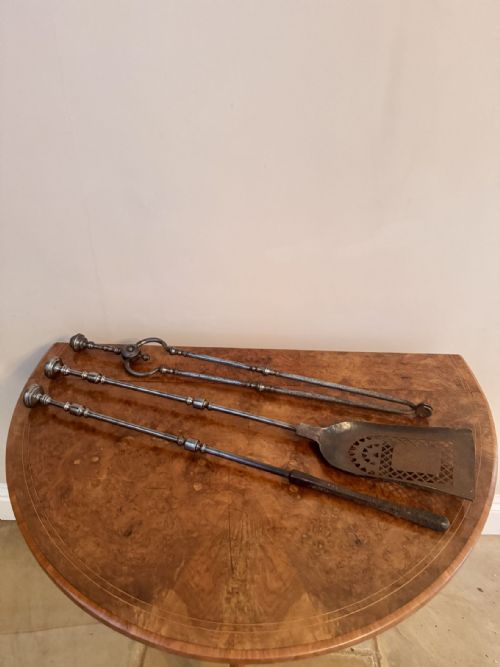
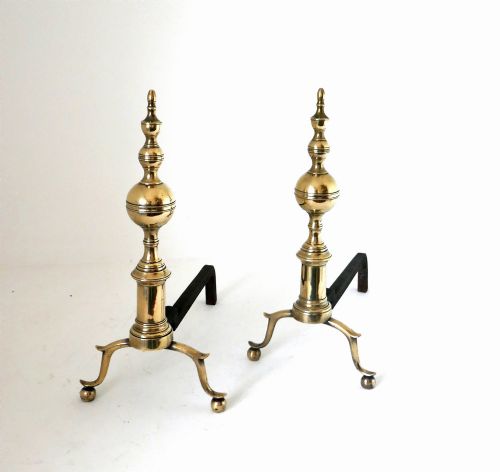
When you search for wrought iron hearth tools, you encounter functional items built for managing fuel and ash in domestic fireplaces. The selection spans companion sets, pokers, tongs, and fire dogs originating from the eighteenth and nineteenth centuries.
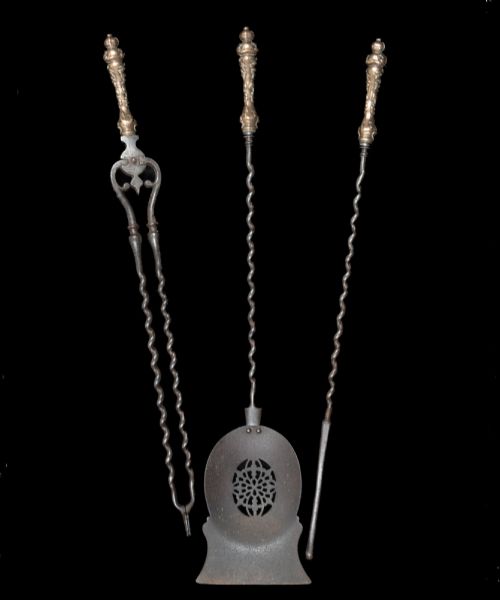
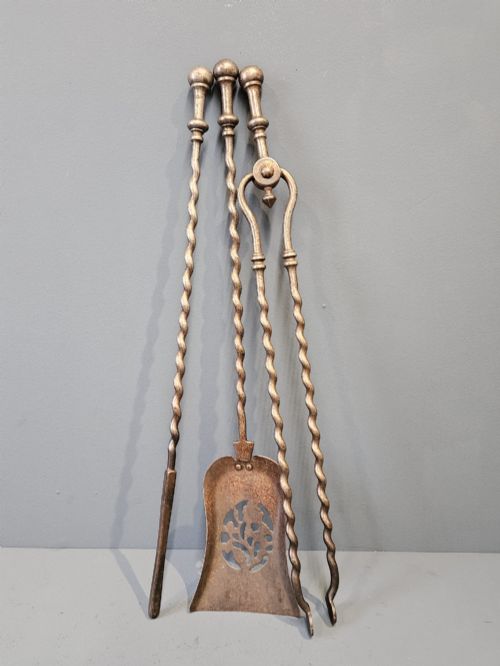
Most pieces seen here belong to the nineteenth century, reflecting both country house requirements and vernacular traditions. These objects range from simple, hand-forged utility implements to more decorative sets incorporating brass or polished steel details.
Regional variations appear across the inventory, including English country house examples alongside French iron pieces and Scottish vernacular items. Each piece serves a direct hearth function, whether gripping logs, turning bannocks, or supporting fuel.
How they were made
Blacksmiths shaped these items using heat and hand hammers, creating durable wrought iron and steel structures that withstand intense fireplace temperatures. Tool components often show distinct hammer marks and hand-forged joints rather than modern machine welding.
Combinations of metals frequently occur, pairing dark wrought iron bodies with polished steel business ends or bright brass finials. Certain items incorporate turned wooden elements or integrated metal holders to keep the set organised by the hearth.
Wrought Iron Hearth Tools Retail Price Guide 2026
Typical asking prices for wrought iron hearth tools among the pieces listed under this phrase on Sellingantiques today, from the lower quarter to the upper quarter. They describe what is for sale here now, not the wider market.
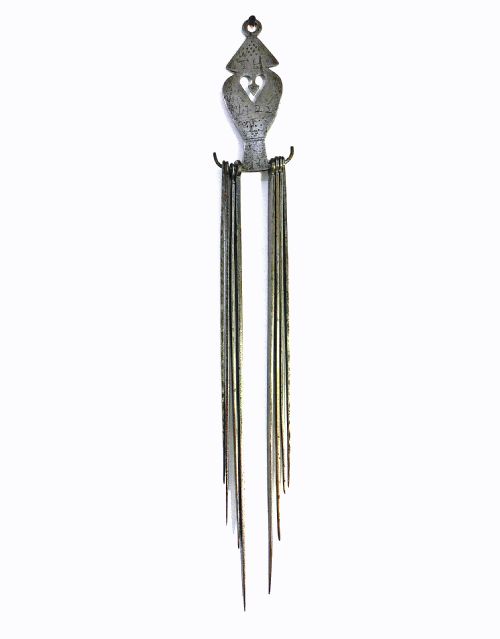
An eighteenth century iron meat skewer set engraved with initials and a date offers a glimpse of old hearth cooking.
What varies in quality
Quality rests on the integrity of the blacksmith's work, where balanced proportions and clean forging separate standard utility items from finer examples. Superior pieces display thoughtful weight distribution and secure construction at joints and handles.
The choice of materials also defines the tier of a set, with polished steel surfaces and combined brass elements requiring greater skill to produce than plain iron. Complete matched companion sets demonstrate higher original intent than assembled collections of disparate tools.
The Wrought Iron Hearth Tools Glossary
- Wrought iron
- A tough, malleable form of iron containing slag inclusions, traditionally shaped by hand hammering while hot.
- Companion set
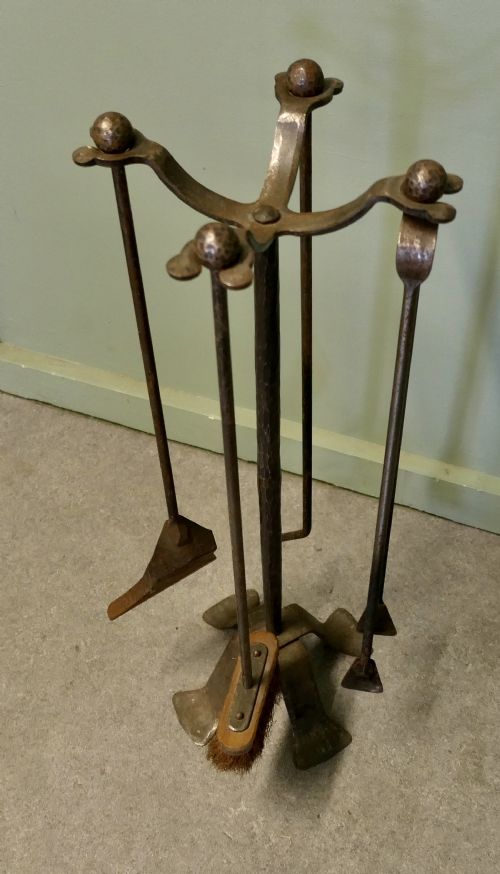
- A matched group of fireplace tools, usually comprising a poker, tongs, shovel, and brush, often suspended from a shared stand.
- Andirons
- Horizontal metal bars supported by legs, used to raise logs off the hearth to improve air circulation for the fire.
- Log grabber
- A specialised scissor-like tool designed for lifting and repositioning heavy burning logs safely.
- Bannock turner
- A traditional flat utensil used for cooking griddle cakes over an open fire.
Wrought Iron Hearth Tools: Frequently Asked Questions
What tools come in a standard hearth set?
Traditional fireplace sets typically include a poker for breaking up coal or logs, tongs for moving fuel, and a shovel for clearing ash. Companion sets group these implements together alongside a matching stand or rest.
Heavier items like log grabbers or fire dogs often accompanied these tools depending on whether the hearth burned wood or coal.
How do I care for antique iron tools?
Keep wrought iron and steel tools in a dry environment to prevent active rusting from damp atmosphere or direct moisture. Light applications of natural oil help protect the metal surfaces.
Avoid harsh chemical cleaners that strip away historic patination and dark oxide finishes developed through decades of use.
Can I use these tools on an active fire?
Most eighteenth and nineteenth century hearth tools were engineered specifically for daily utility and tolerate normal fireplace heat. Solid wrought iron and steel constructions handle heavy wood and coal fires effectively.
Exercise caution with decorative brass elements or older joined components when tending very hot fires.
How do I date an iron hearth tool?
Dating relies on examining the forging technique, tool forms, and any accompanying maker marks or engraved dates. Eighteenth century examples often display simpler, heavier hand-forged profiles, while Victorian pieces incorporate varied metals.
Stylistic shifts like Gothic Revival or Art Nouveau provide further clues to a specific period of manufacture.