






Wrought Iron Folk Art
Wrought iron folk art brings together domestic utility and hand-forged character, offering sturdy boxes, candlesticks and weathervanes that anchor a rustic interior.
Wrought Iron Folk Art
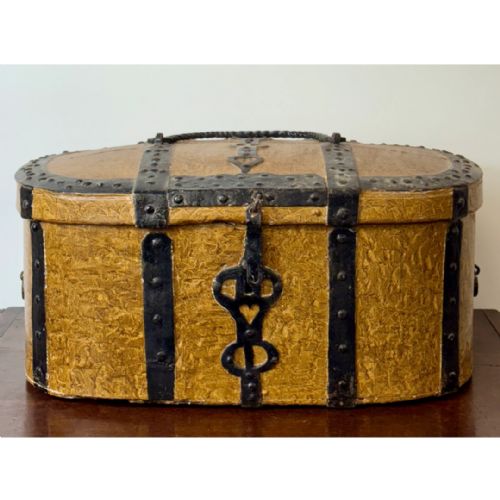
Wrought iron folk art comprises vernacular objects and domestic pieces shaped by hands outside academic artistic traditions, often combining functional ironwork with wood. When you search for wrought iron folk art, you meet items ranging from utilitarian kitchen utensils to decorative weathervanes and metal-bound coffers.
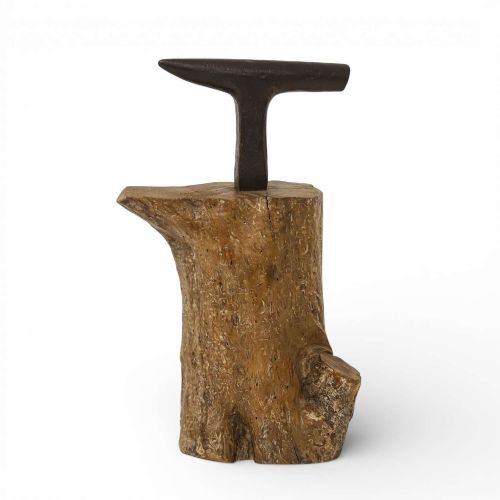
The selection leans heavily toward Scandinavian pieces, including painted pine marriage chests, dome top boxes and spiral candlesticks alongside British country items like farrier's anvils and rush light holders. These objects served daily household or agricultural purposes before finding a place in modern collections.
Forms span from the eighteenth and nineteenth centuries, taking in Georgian and Victorian eras as well as specific regional vernacular styles from Scotland and Wales. Each piece carries the marks of its local environment and workshop origins.
How they were made
Makers shaped wrought iron over an anvil using traditional blacksmithing techniques, heating and hammering the metal to form spiral candlesticks, rush light holders and structural mounts. Sheet iron also appears where flat components or weather vanes required a lighter gauge.
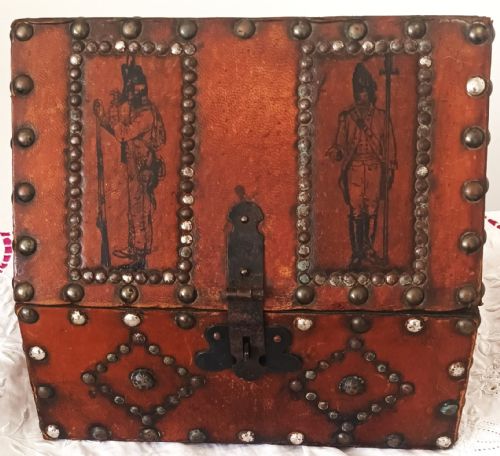
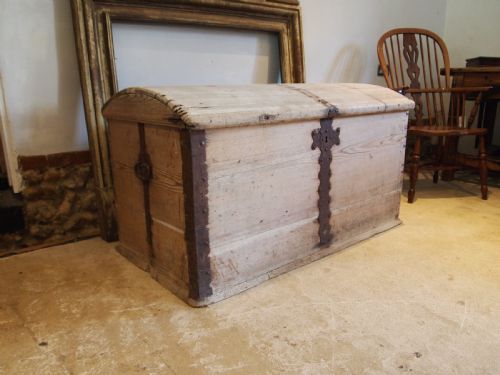
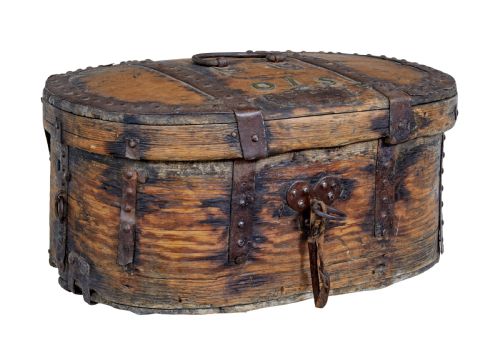
Wood provided the structure for many of these pieces, utilising pine, oak, fruitwood and beech for trunks, coffers, boxes and dairy equipment. Craftsmen frequently combined these materials, reinforcing wooden boxes with hand-hammered iron straps, hinges and locks.
Surface treatment completed the construction on painted items, employing hand-mixed pigments on pine and oak surfaces, sometimes incorporating decorative motifs like labyrinths or traditional Scandinavian patterns.
Listings feature eighteenth and nineteenth century pieces, encompassing Georgian and Victorian periods alongside Scandinavian country and British vernacular styles.
What varies in quality
Quality rests on the crispness of the hand-forging and the integrity of the combination between iron and wood components. Pieces that retain their original forged mounts, hinges and surface paint command greater attention than those with later replacements.
The strength of the sculptural form distinguishes finer examples, particularly in items like weathervanes and rush light holders where silhouette and balance dictate the visual impact. Proportion and the harmony between the vernacular timber body and the ironwork define the best survivals.
The Wrought Iron Folk Art Glossary
- Rush light holder
- A spring-loaded iron clip designed to grip a dried rush dipped in animal fat for domestic illumination. These devices represent vernacular lighting at its most basic and ingenious.
- Farrier's anvil
- A compact anvil used by blacksmiths for shoeing horses, sometimes mounted on timber blocks for stability. In folk art contexts, they serve as sculptural objects reflecting rural trade.
- Marriage chest
- A large wooden box commissioned to mark a wedding, frequently decorated with painted designs, initials or dates. They acted as important storage pieces in Scandinavian and British households.
- Coffer
- A heavy wooden chest, often reinforced with iron straps and bands for secure storage of valuables. Early examples display dovetail construction and robust hand-forged hardware.
- Spirral candlestick
- A desk or table candlestick featuring an iron shaft twisted into a helix to hold a candle at adjustable heights. The blacksmithing skill required to pull and twist the iron determines the piece's character.
Wrought Iron Folk Art: Frequently Asked Questions
What is wrought iron folk art?
Wrought iron folk art consists of hand-forged metal items and mixed-material objects made by traditional craftsmen for everyday domestic or agricultural use.
These pieces include candlesticks, weathervanes, and iron-bound boxes that prioritize practical utility combined with local aesthetic traditions.
How do I date these iron pieces?
Dating relies on observable construction methods, tool marks left by the blacksmith, and the style of accompanying wooden elements like pine or oak chests.
Changes in fastener types, hinge design, and regional decorative motifs also help place an object within the eighteenth or nineteenth century.
Where were these objects made?
Many surviving pieces originate from Scandinavia, particularly Sweden, alongside regional workshops in Britain including Scottish and Welsh vernacular centres.
Local timber availability and distinct regional forging techniques heavily influenced the specific appearance of each item.
How should I care for wrought iron?
Keep wrought iron in a stable environment away from excessive moisture to prevent active rusting of the hand-forged surfaces.
Light dusting and occasional application of microcrystalline wax help protect both the bare iron and any historic painted wooden components.