



Wrought Iron Copper Bin
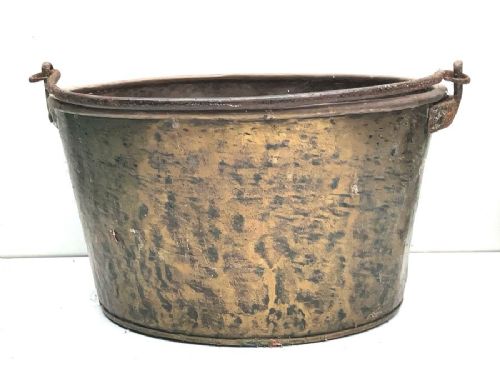
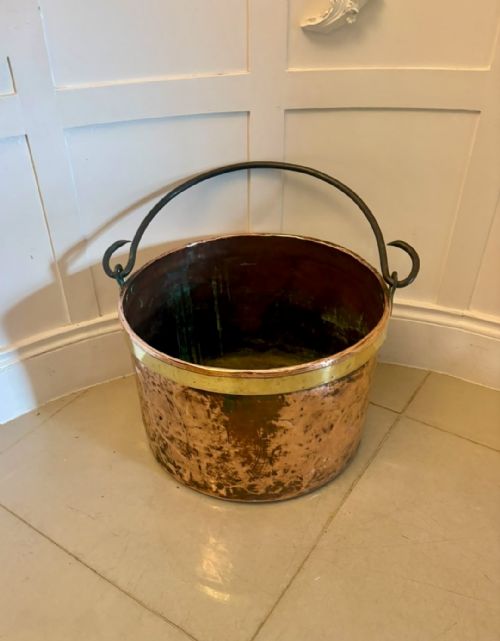
These wrought iron copper bin pieces bring heavy warmth to a hearth, pairing hammered metal vessels with robust iron work.
Wrought Iron Copper Bin
A wrought iron copper bin unites a metal vessel with sturdy iron supports, functioning traditionally as a fireside receptacle for logs, coal, or turf. These items emerge primarily from the Georgian, Victorian, and Arts and Crafts periods, reflecting utilitarian household needs of past centuries.
You will encounter forms ranging from large cauldrons and coal scuttles to log buckets and bowls on stands. Many examples span the nineteenth century, showcasing how utilitarian hearth vessels evolved into decorative interior accessories.
The materials combine a warm metal body with dark structural ironwork, appearing in styles from the eighteenth century up to the early twentieth century. This pairing served both practical weight distribution near fires and aesthetic contrast in domestic spaces.
How they were made
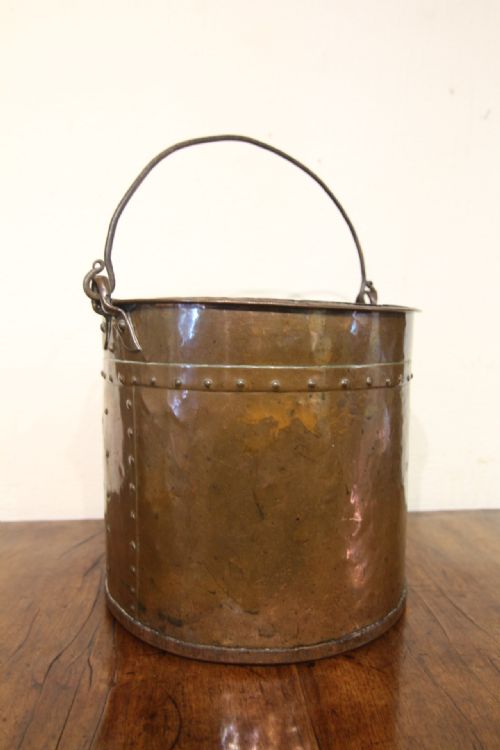
The construction relies on beating sheets of copper into deep vessels, often joined by visible rivets that secure the body and handles. Wrought iron forms swing handles, frames, and stands, shaped manually by blacksmiths to support the heavy metal bowls.
Makers utilised brass and tin alongside the primary metals for reinforcement or interior linings, ensuring durability against heavy coal and logs. The pairing of hand-hammered copper surfaces with forged iron creates a distinct texture preserved across these eras.
Wrought Iron Copper Bin Retail Price Guide 2026
Typical asking prices for wrought iron copper bin among the pieces listed under this phrase on Sellingantiques today, from the lower quarter to the upper quarter. They describe what is for sale here now, not the wider market.
Listings feature items spanning the eighteenth century through to nineteen-ten, utilising copper, wrought iron, brass, and tin.
What varies in quality
Quality rests in the substantial gauge of the metal and the integrity of the iron framework, where thicker copper resists dents and heavier iron supports bear weight securely. The finesse of hand-hammering and the proportion of the iron handle or stand distinguish finer examples from standard utility items.
Design execution separates basic hearth vessels from deliberate Arts and Crafts or Georgian pieces, where careful riveting and balanced proportions elevate a simple container into a piece of craftsmanship.
The Wrought Iron Copper Bin Glossary
- Wrought iron
- Tough, malleable iron that is heated and hammered into shape by a blacksmith. This material provides the strong handles and stands seen on heavy hearth vessels.
- Cauldron
- A large deep metal pot with a wide mouth, designed for holding fuel or liquids. These early vessels often feature sturdy swing handles for lifting.
- Coal scuttle
- A container specifically shaped for holding and carrying coal to a fireplace. Many include specialised lips or handles for controlled pouring.
- Arts and Crafts
- A design movement emphasising handcraftsmanship and simple forms. Objects from this style display visible construction details like copper riveting.
Wrought Iron Copper Bin: Frequently Asked Questions
What were wrought iron copper bins used for?
These vessels served primarily by the hearth to store and transport fuel such as logs and coal. Their robust construction allowed them to handle heavy loads of wood and stone.
Over time, many of these utilitarian containers transitioned into decorative planters or general storage pieces within domestic interiors.
How do I date a copper log bin?
Dating relies on stylistic clues, construction methods, and material handling typical of specific eras like the Georgian or Arts and Crafts periods. Rivet styles and the shape of the wrought iron mounts often indicate the manufacturing timeframe.
Earlier eighteenth-century pieces tend toward heavy cauldrons, while later nineteenth and early twentieth-century examples frequently show Arts and Crafts or Art Nouveau decorative influences.
Are these bins heavy?
Most examples possess substantial weight due to the thick copper sheets and solid wrought iron components used in their construction. They were built to endure heavy daily use near domestic fires.
This inherent heft means they remain stable when filled with logs or coal, requiring sturdy handles for safe transport.
Can I use them as planters?
Many people repurpose these metal vessels as indoor planters or decorative holders for large items. Their durable copper bodies hold up well to domestic utility tasks.
Checking the interior for historical linings or moisture tolerance helps determine the best modern application for each specific piece.