


Vintage Copper Log Container
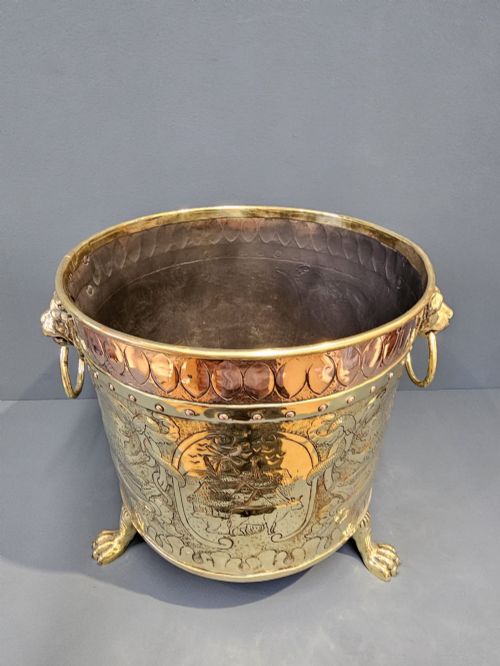
These vintage copper log containers bring warmth to a fireside, combining utilitarian strength with decorative metalwork from the nineteenth century.
Vintage Copper Log Container
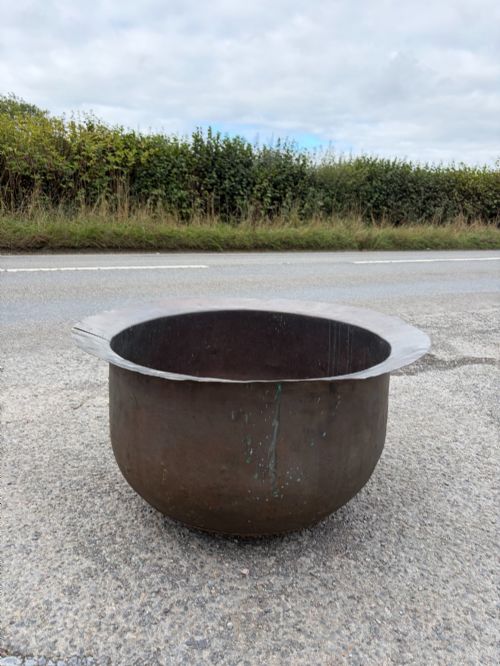
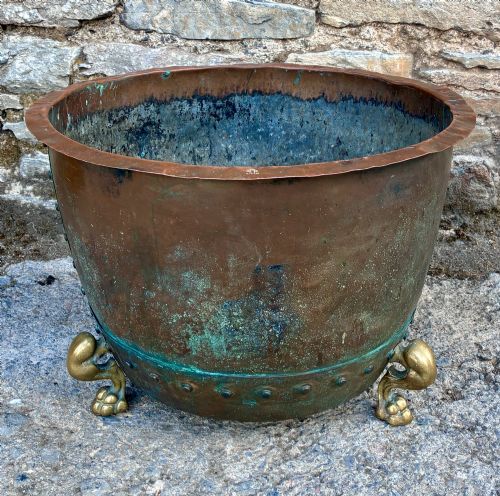
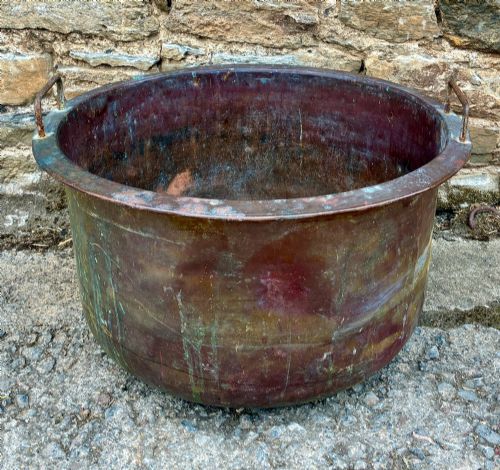
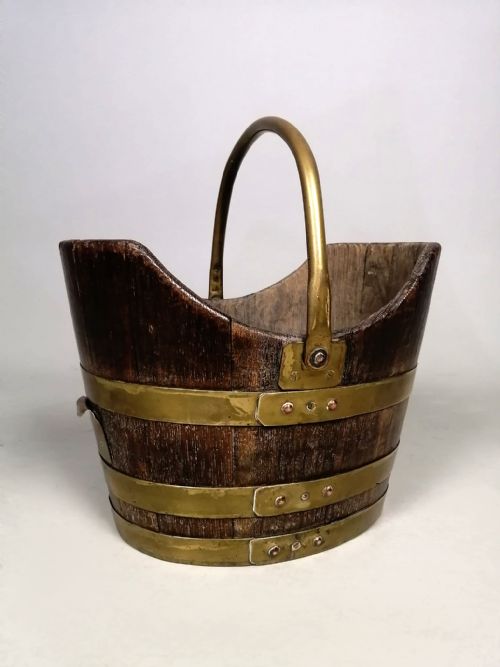
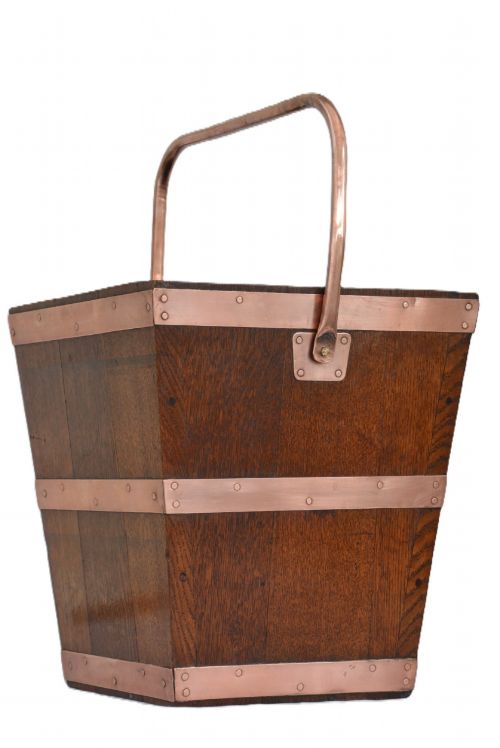
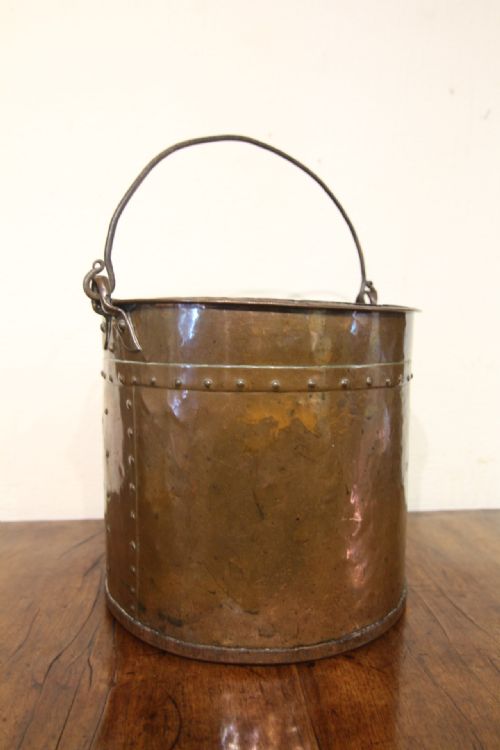
A vintage copper log container serves primarily as a robust vessel for hearth fuel, drawing upon nineteenth-century forms designed for coal and peat storage. The selection here spans Victorian buckets, Edwardian scuttles, and larger planters adapted from industrial washing tubs or water barrels.
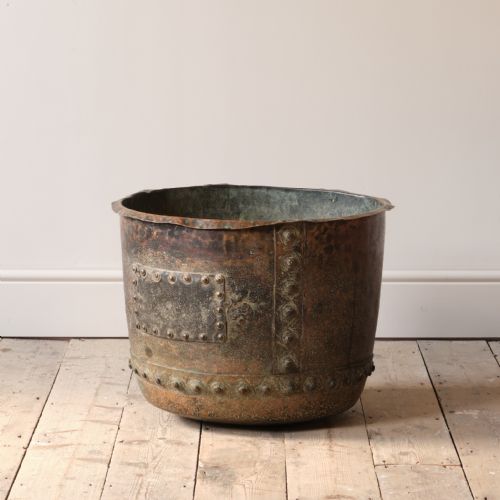
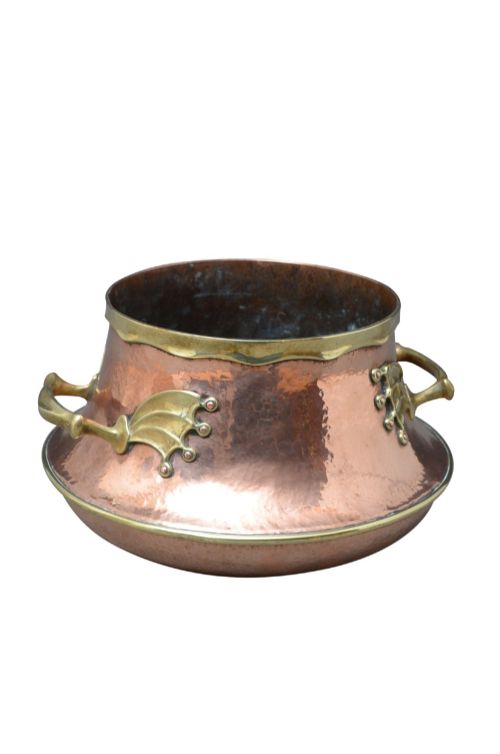
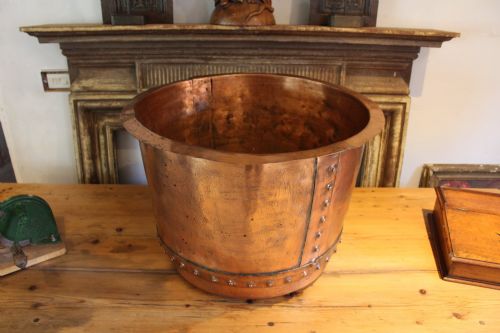
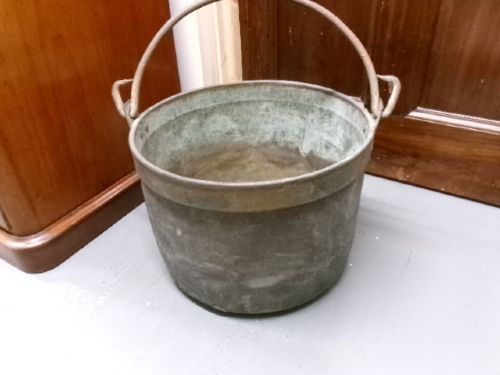
Buyers frequently encounter riveted copper bodies paired with contrasting brass bands, iron swing handles, or oak frames. Styles range from utilitarian Victorian designs and rustic farmhouse pieces to decorative Art Nouveau and Arts and Crafts examples.
What separates the finest examples
Quality rests in the weight of the metal gauge and the integrity of the riveted construction, determining how well the vessel bears the daily strain of heavy wood. Heavier copper walls resist denting and maintain a stable, upright form over generations of use.
Distinction also arises in decorative detailing, such as embossed brass bands, swing handles with turned grips, or integrated iron frames. Pieces showing deliberate stylistic choices from the Arts and Crafts or Art Nouveau movements command greater attention than plain utilitarian tubs.
The listings feature copper, brass, iron, and oak, spanning the nineteenth and early twentieth centuries from Victorian to Arts and Crafts styles.
The Vintage Copper Log Container Glossary
- Coal Scuttle
- A bucket or container specifically shaped for holding and carrying coal to a fireplace. These often feature a funnel mouth or a hinged scoop mechanism.
- Riveted
- Joined with metal pins hammered flat at the ends. This technique provides structural strength before modern welding.
- Jardinière
- An ornamental pot or stand for plants and flowers. Many large copper vessels are repurposed for this use.
- Arts and Crafts
- A design movement valuing handcraft, honest materials, and simple forms. Pieces from this period display thoughtful, unpretentious metalworking.
Vintage Copper Log Container: Frequently Asked Questions
How do I clean a copper log bin?
Wipe the surface gently with a soft cloth to remove dust and loose debris. Avoid harsh chemical cleaners that strip the historic patina accumulated over decades.
Apply a mild soapy water solution for stubborn marks, then dry thoroughly with a towel. Many collectors prefer to leave the natural oxidation untouched.
Can I use these containers for actual logs?
These vessels were originally built to hold solid fuel such as coal, peat, and logs by the hearth. Their robust riveted construction handles wood weight easily.
Check the interior for any rough edges or moisture retention before loading logs. Placing a protective liner inside helps prevent scratches to the antique metal base.
Are these pieces strictly from the Victorian era?
The listings span the nineteenth century, including Victorian periods alongside Edwardian and later rustic workshop examples. Stylistic clues like embossed brass and heavy iron handles help pinpoint the era.
Exact dates often rely on construction methods, such as hand-riveting techniques typical of nineteenth-century metalwork. Variations also include Arts and Crafts and Art Nouveau designs from the early twentieth century.
What is the difference between a log bin and a coal scuttle?
Log bins tend to be wide, straight-sided cylindrical or oval containers designed to hold bulky pieces of firewood. Coal scuttles frequently feature helmet shapes or angled mouths for pouring small fuel.
Both serve hearth functions, but their physical proportions reflect the different materials they were built to carry.