



Wrought Iron Ceiling Light
A wrought iron ceiling light brings robust metalwork and period character overhead, anchoring a room with genuine historical presence.
Wrought Iron Ceiling Light
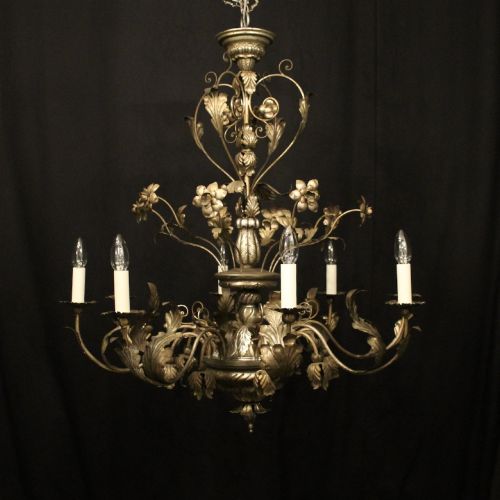
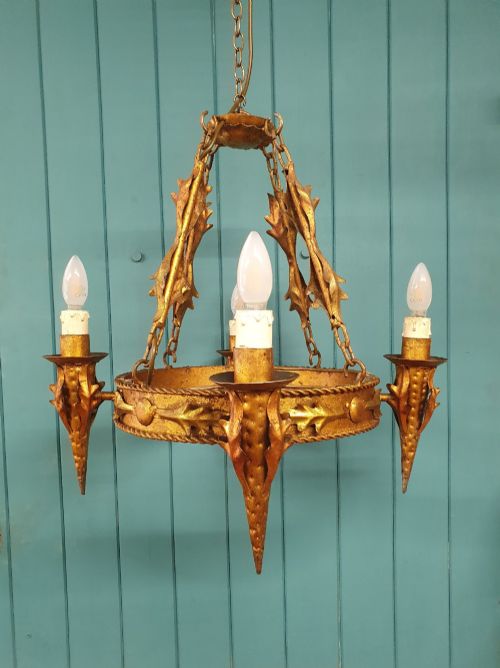
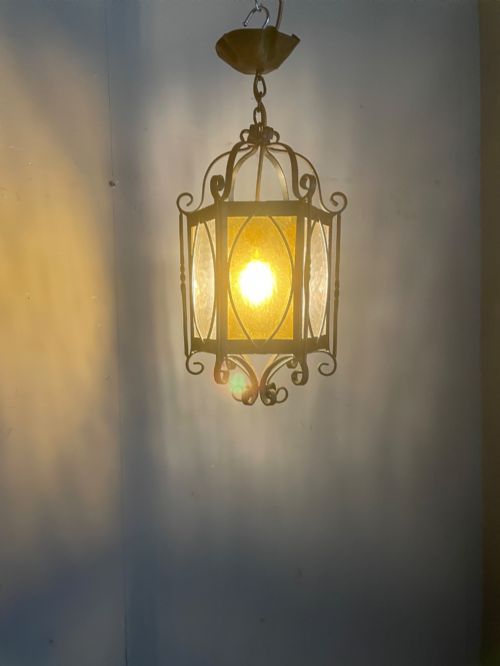
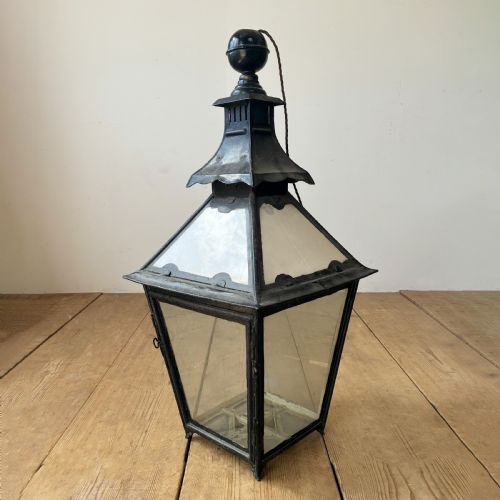
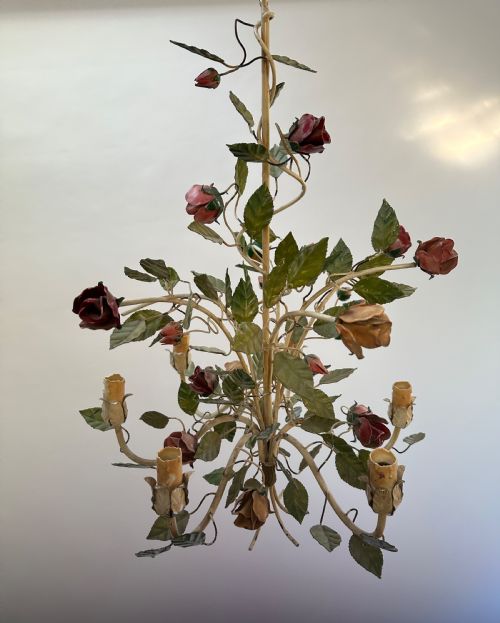
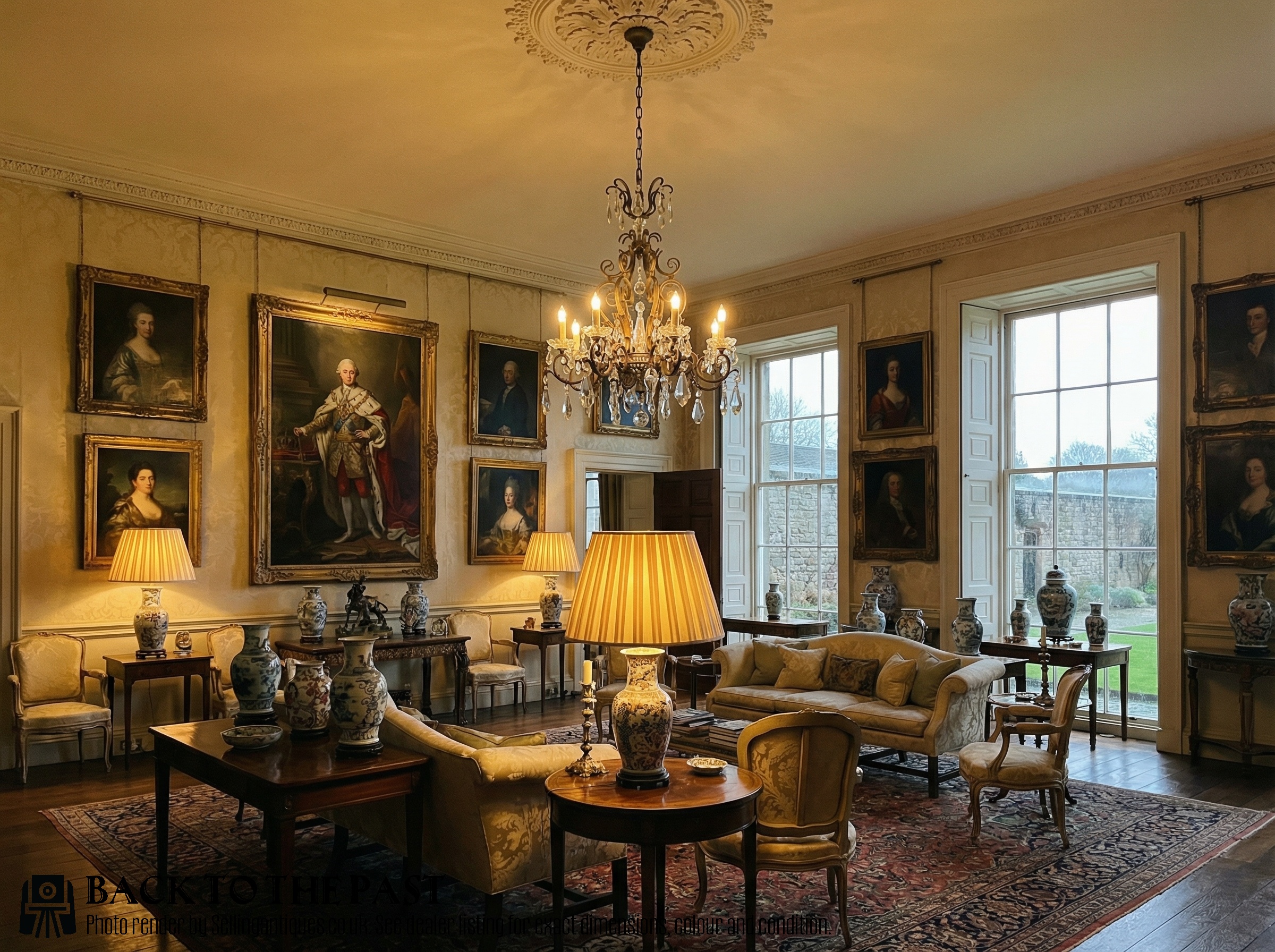
A wrought iron ceiling light is a hanging metal fixture designed to illuminate a space from above, frequently taking the form of a chandelier, pendant, or hall lantern. When you search for a wrought iron ceiling light, you encounter diverse iterations ranging from sturdy 18th century pieces to decorative Arts and Crafts and Art Nouveau designs.
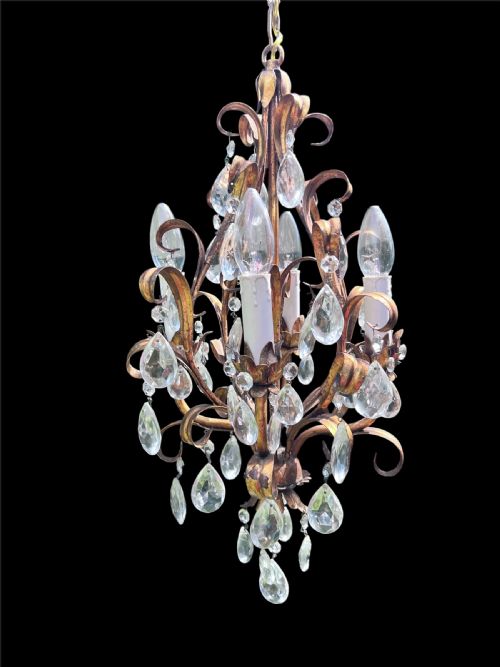
The selection includes regional styles such as Italian Florentine and French country fixtures, alongside Victorian and Gothic Revival examples. Many incorporate glass panels, crystal drops, or polychrome painted finishes to temper the heavy metal structure.
Lanterns and multi-branch chandeliers dominate the forms available. These pieces serve functional lighting needs while introducing substantial architectural texture to high or vaulted ceilings.
How they were made
Blacksmiths shaped wrought iron by hand while hot, hammering the metal into scrolls, brackets, and structural frames that support glass or crystal elements. This traditional forging technique creates the distinctive textured surface seen on older examples.
Makers integrated various decorative components such as frosted glass, stained glass, and coloured crystal fruits to complement the dark metal framework. Gilt metal, brass, copper, and painted polychrome finishes often provide contrast against the primary iron structure.
Several chandeliers feature decorative coloured glass fruits including grapes, apples, and pears, bringing a permanent harvest feast to the ceiling.
What varies in quality
The finesse of the blacksmith's work distinguishes standard production from superior examples, visible in the hand-hammered detail and fluid grace of iron scrolls. Heavier, more complex multi-branch frames demonstrate greater structural ambition than simple geometric shapes.
The integration of auxiliary materials like pate de verre glass, leaded panels, or cut crystal drops influences the overall visual impact. Finer pieces maintain harmony between the robust iron armature and delicate glass or crystal components without appearing clumsy.
Verrerie Des Vosge·Muller Freres
The Wrought Iron Ceiling Light Glossary
- Wrought iron
- A tough, malleable form of iron that can be heated and hammered into decorative and structural shapes by a blacksmith. This material resists snapping and allows for slender, elegant forged scrolls.
- Hall lantern
- An enclosed ceiling fixture designed specifically for entryways and corridors, typically featuring glazed panels within a metal frame. These pieces protect candles or bulbs from drafts in narrow spaces.
- Pricket
- A sharp metal spike on a candle chandelier designed to hold a candle in place. Older lighting forms rely on this method before the widespread adoption of sockets for electric bulbs.
- Pate de verre
- A glass-making technique involving crushed glass fused in a kiln to produce richly textured, coloured objects. Art Nouveau designers frequently paired these glass shades with wrought iron.
- Coronet
- A small crown-like coronet chandelier shape that sits close to the ceiling or hangs on a short drop. This form often incorporates gilt or painted highlights.
Wrought Iron Ceiling Light: Frequently Asked Questions
How do I hang a heavy iron light?
Heavy iron ceiling fixtures require proper joist support and steel fixings rather than standard plasterboard anchors. A professional electrician should assess the ceiling weight capacity before installation.
Ensuring secure suspension protects both the historic metalwork and the ceiling structure below.
Are these lights wired for electricity?
Many antique fixtures have been rewired for modern electrical standards over time, while others retain older components that require updating. You should check individual listings to see the current wiring state.
Any rewiring must be performed by a qualified professional to ensure safety.
How do I clean wrought iron and glass?
Dust wrought iron gently with a dry or slightly damp cloth to preserve the surface finish. Avoid harsh chemical cleaners that can strip historic patination or damage delicate glass shades.
Crystal drops and glass panels can be cleaned carefully with mild soapy water while still attached or removed if necessary.
What rooms suit a hall lantern?
Hall lanterns work well in entryways, stairwells, and corridors where directional light and vertical proportions matter. Their enclosed design concentrates light downward while framing the interior burners or bulbs.
They also add character to high-ceilinged landings and smaller reception rooms.