


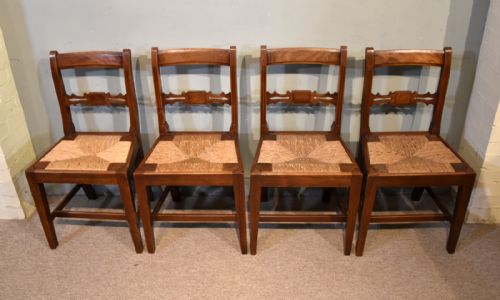


Woven Rush Side Chair
A woven rush side chair brings honest country craft into a room, offering simple timber frames paired with tightly twisted natural seating.
Woven Rush Side Chair
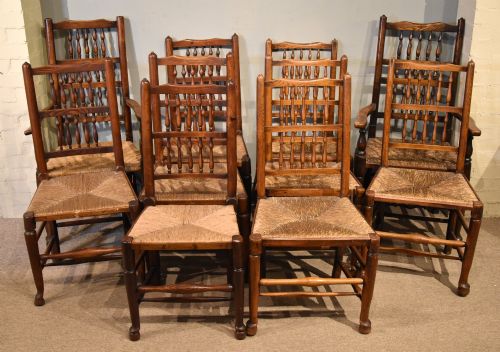
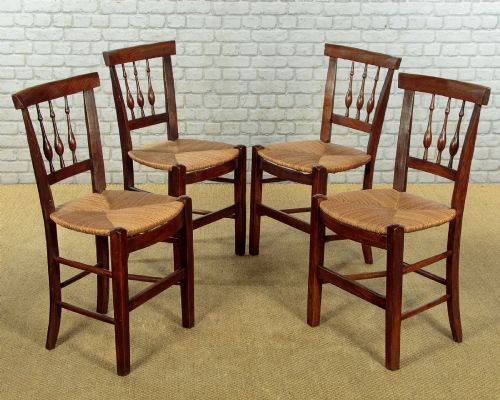
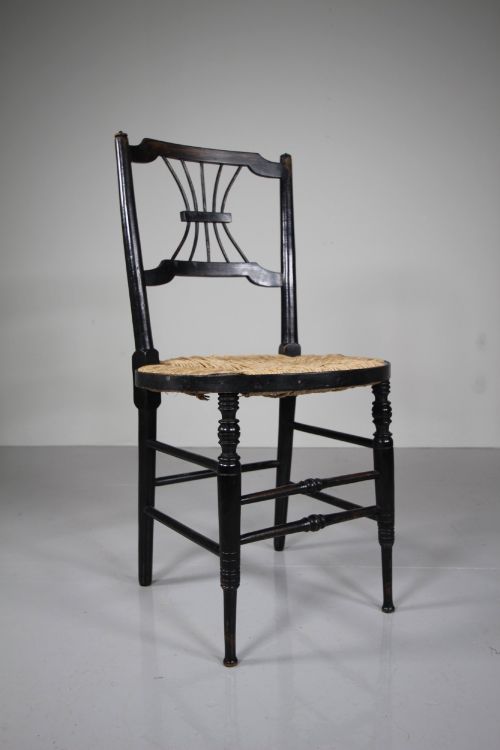
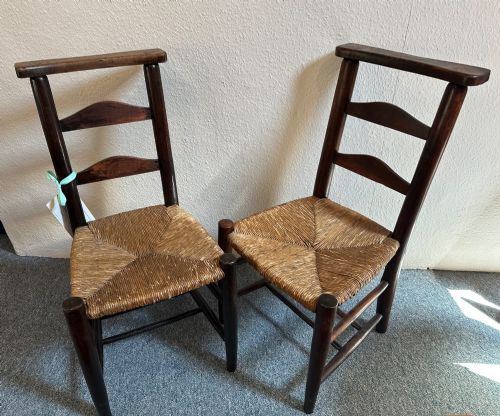
A woven rush side chair brings functional utility and vernacular character into domestic spaces, appearing primarily in formats such as single dining chairs, pairs, and matched sets. These pieces span centuries of rural and domestic production, stretching from the eighteenth century through the nineteenth century and into the arts and crafts period.
Factors that separate examples
Quality rests upon the integrity of the timber frame and the tightness of the rush weaving. Tightly packed, uniform strands indicate careful handiwork, whereas loose or uneven seating material points to hurried execution or later repair.
Proportion and regional character also dictate distinction. Pieces retaining their original surface finish, whether aged oak, paint, or ebonisation, hold greater integrity than those stripped or overly restored.
Woven Rush Side Chair Retail Price Guide 2026
Typical asking prices for woven rush side chair among the pieces listed under this phrase on Sellingantiques today, from the lower quarter to the upper quarter. They describe what is for sale here now, not the wider market.
William Morris·Morris and Co·Liberty of London·Edward Gardener·Heals
The Woven Rush Side Chair Glossary
- Rush
- Dried marsh grass utilised for centuries to weave durable, flexible chair seats. The material possesses a natural pliability that softens with age.
- Ladder back
- A chair back featuring horizontal wooden slats between the upright rear posts. This regional form provides sturdy lumbar support.
- Spindle back
- A chair design incorporating numerous thin turned wooden uprights along the backrest. The style lightens the visual weight of the frame.
- Súgán
- An Irish term for a twisted straw or hay rope used locally for seating. It represents a traditional regional variant of rush weaving.
- Vernacular
- Everyday utilitarian furniture made by regional carpenters rather than urban cabinetmakers. These pieces reflect local materials and practical needs.
Woven Rush Side Chair: Frequently Asked Questions
How do I clean a rush seat?
Dust the woven surface gently using a soft brush or vacuum attachment on low power. Avoid using excessive water, as moisture causes natural dried plant fibres to swell and weaken over time.
Should a spill occur, blot the area immediately with a dry cloth. Keep these chairs away from direct heat sources and damp environments to maintain the strength of the straw or rush.
Can damaged rush seats be repaired?
Expert craftspeople can completely re-weave damaged or broken rush seats using traditional materials. The old seating is removed, and fresh marsh rush is hand-twisted and woven around the original frame.
Minor loose strands can sometimes be tucked back into place by a professional restorer. Preserving the structural timber frame makes traditional reseating a worthwhile investment.
Are these chairs suitable for daily dining?
Most of these examples were built for practical domestic use in kitchens, dining rooms, and halls. Solid hardwood frames and tight woven seats provide sturdy support for regular seating.
Placing felt pads beneath the legs helps protect hard flooring surfaces. Rotating chairs within a set ensures even wear across the woven seating over the years.
How do I distinguish regional styles?
English country designs often feature simple turned spindles or ladder backs in oak and elm. French provincial models commonly display softer fruitwood tones and carved details.
Irish variants frequently utilise straw súgán cordage on ash frames. Examining the turned woodwork and timber choice helps identify the likely origin.