


Woven Back Chair
These woven back chair pieces bring tactile texture and regional character to a room, spanning rustic country seats and refined revival designs.
Woven Back Chair
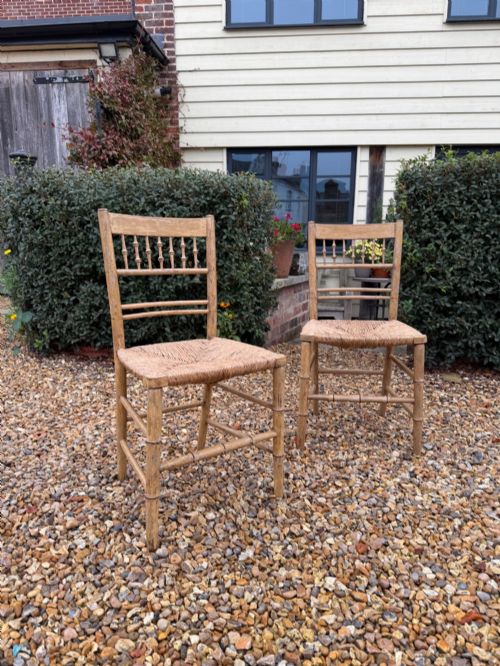
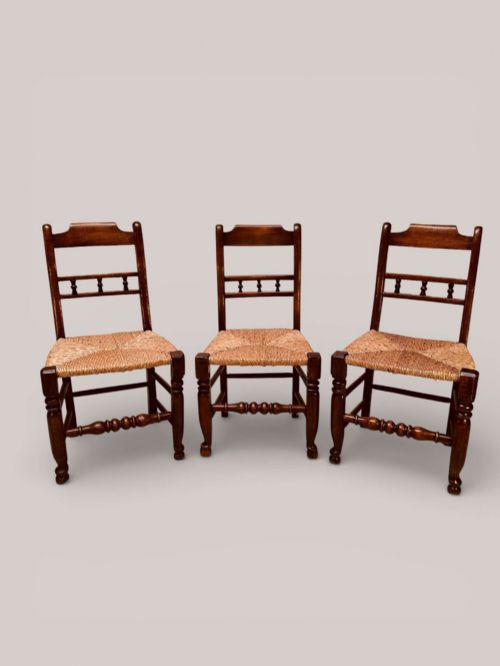
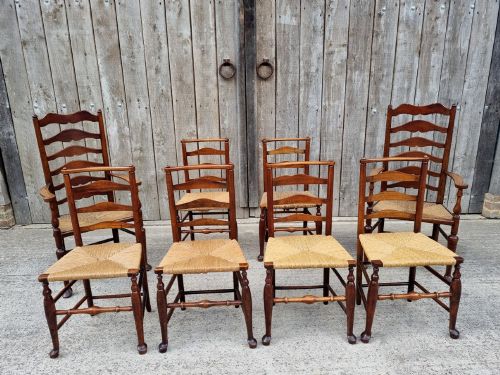
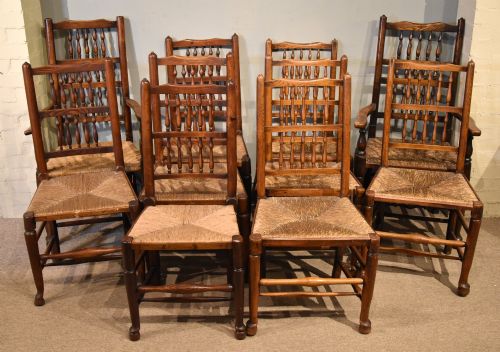
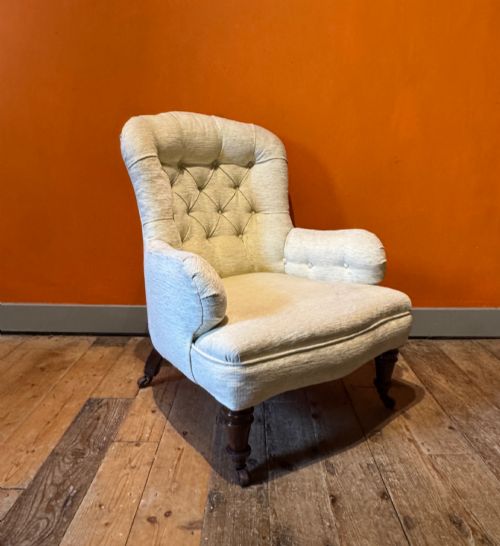
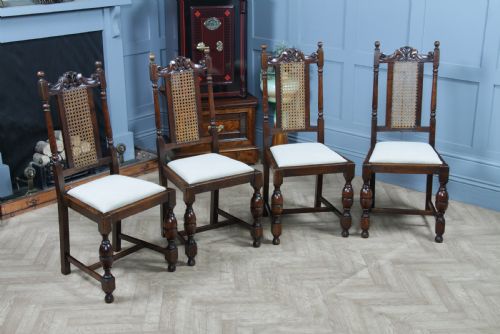
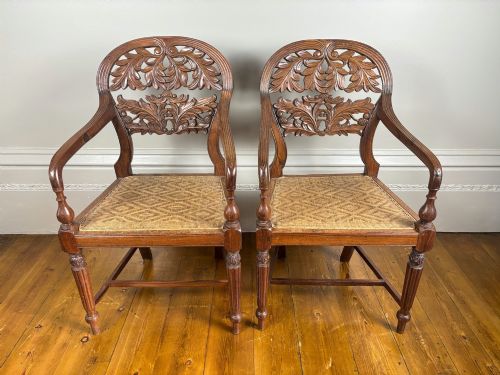
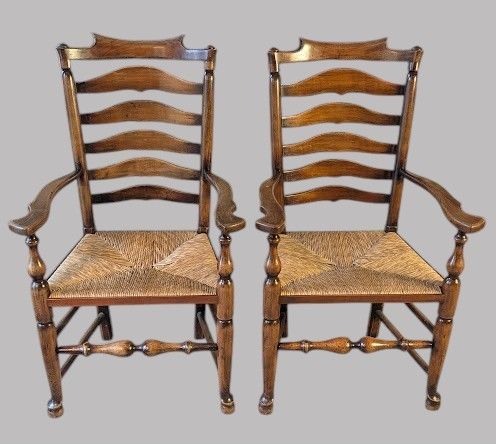
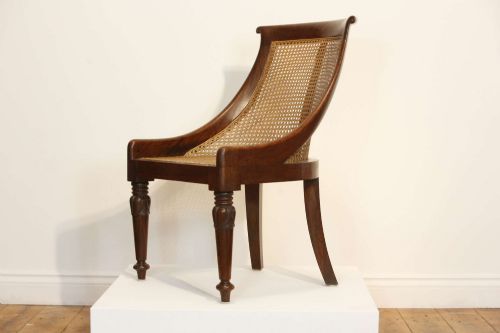
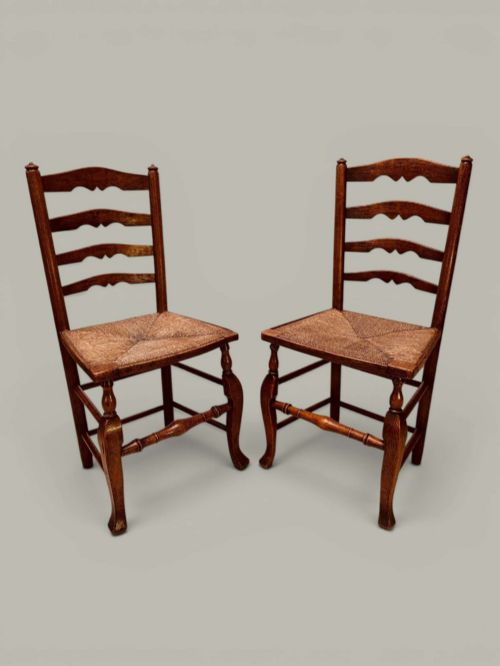
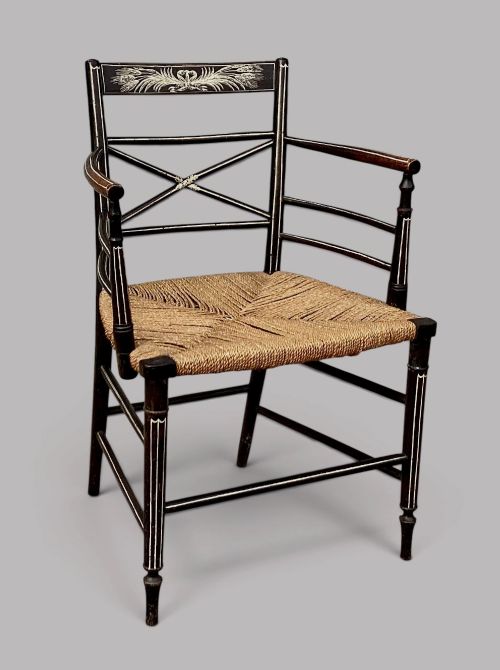
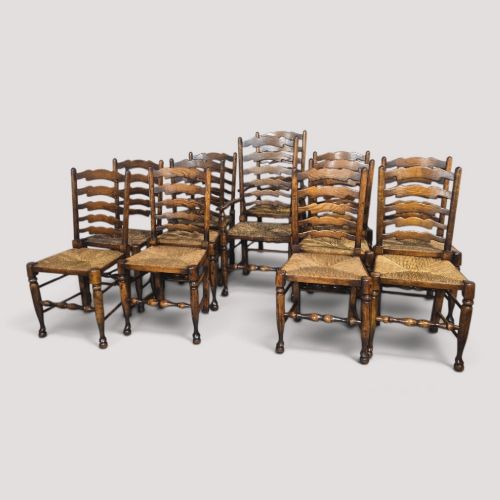
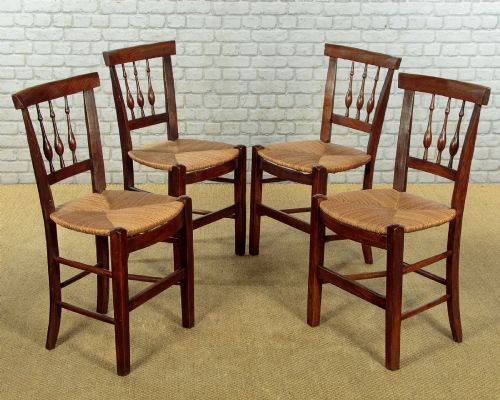
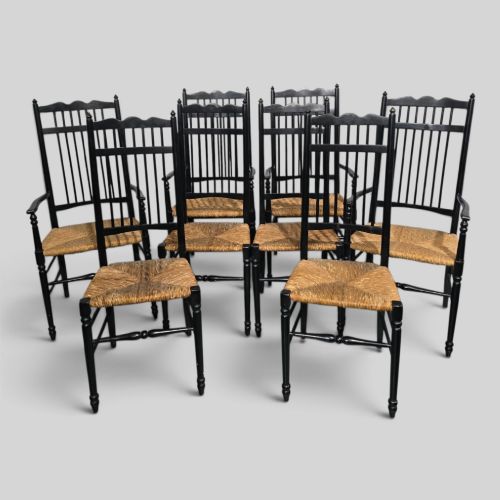
A woven back chair combines timber frames with flexible plant fibres or cane panels to create resilient, supportive seating. Buyers searching for a woven back chair encounter diverse forms ranging from robust country dining chairs and ladderbacks to elegant bergères and rocking chairs.
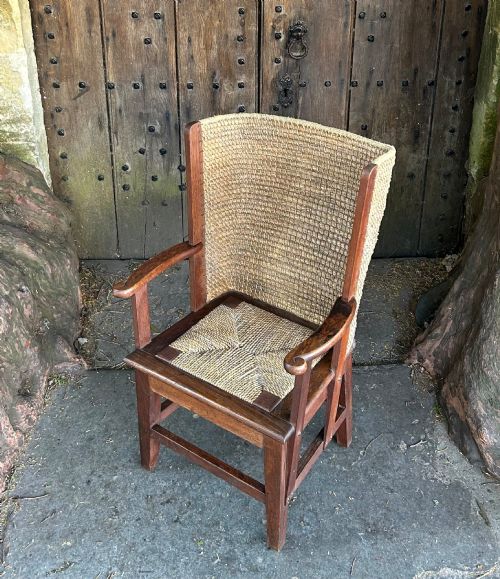
The selections span several centuries and styles, taking in Arts and Crafts pieces, Victorian country workshops, and sophisticated revival models. Regional vernacular types such as Lancashire, Orkney, and Dales chairs sit alongside London retailer stock and French-influenced designs.
Materials and construction methods
Frames rely on native and imported hardwoods like oak, walnut, elm, ash, and beech, often shaped using traditional turning, bending, or joinery techniques. Country makers utilised local fruitwoods and alder alongside sturdy elm and ash for vernacular seating.
Backs and seats incorporate woven rush, hand-twisted natural cords, split cane, or woven rattan panels threaded directly into the timber framework. Specialised makers employed steam bending for bentwood rockers and delicate faux bamboo framing to achieve lightness and strength.
Woven Back Chair Retail Price Guide 2026
Typical asking prices for woven back chair among the pieces listed under this phrase on Sellingantiques today, from the lower quarter to the upper quarter. They describe what is for sale here now, not the wider market.
Listings feature oak, walnut, elm, ash, and beech frames combined with rush, cane, and rattan weaving across multiple centuries.
Assessing quality and character
Quality rests in the harmony of the timber selection and the tightness of the woven components. Superior examples display balanced proportions, crisp turning on spindles or ladderbacks, and durable plant fibre or cane work that maintains even tension across the frame.
Maker attribution and regional provenance elevate certain pieces above standard vernacular furniture. Chairs carrying workshop marks or associated with prominent retailers and designers command distinct attention for their documentary value.
Liberty Morris And Co·Dryad of Leicester·Heals of London
The Woven Back Chair Glossary
- Rush
- A wetland plant material dried and twisted into cordage for traditional seat and back weaving. It yields a durable, textured surface common in country vernacular chairs.
- Cane
- Split rattan peel woven into patterned meshes for light, airy chair backs and seats. It demands considerable skill to thread through frame holes.
- Bergère
- An upholstered armchair featuring enclosed wooden sides and a woven cane back panel. This French style gained popularity in various revival periods.
- Ladderback
- A chair back constructed with horizontal arched slats resembling the rungs of a ladder. It is a staple form in English and Scottish country furniture.
- Vernacular
- Regional furniture built by local craftsmen using traditional methods and native materials rather than following metropolitan academic designs.
Woven Back Chair: Frequently Asked Questions
What woods were used?
Makers utilised a variety of native and exotic timbers depending on the region and period. Oak, walnut, elm, ash, beech, and fruitwoods appear frequently in country and revival pieces.
Lighter woods like beech served for steam-bent frames, while richer timbers like mahogany and walnut suited refined revival armchairs and bergères.
How do I identify regional styles?
Regional pieces often reflect local materials and traditional turning patterns specific to areas like Lancashire, Cheshire, or the Scottish Isles. Construction details and local timber choices help distinguish these vernacular pieces.
Makers incorporated local building habits, resulting in distinct ladderback, rush seat, and spindleback variations across different counties.
Where were these chairs used?
These pieces served multiple domestic and public functions, from farmhouse kitchens and country dining rooms to libraries and grand reception spaces. Rocking chairs and low armchairs provided fireside comfort.
Sturdier dining sets outfitted large halls, while specialised seating like high chairs and campaign folding chairs catered to specific functional demands.
How should I care for cane and rush?
Natural woven materials require moderate humidity to prevent the fibres from becoming brittle and snapping. Avoid placing them near direct heat sources or dry radiators.
Gentle dusting and occasional damp sponging help maintain the flexibility and strength of rush and cane surfaces over time.