



Worcester Ceramic Pitcher
A Worcester ceramic pitcher brings porcelain craftsmanship and historic English design directly to the table.
Worcester Ceramic Pitcher
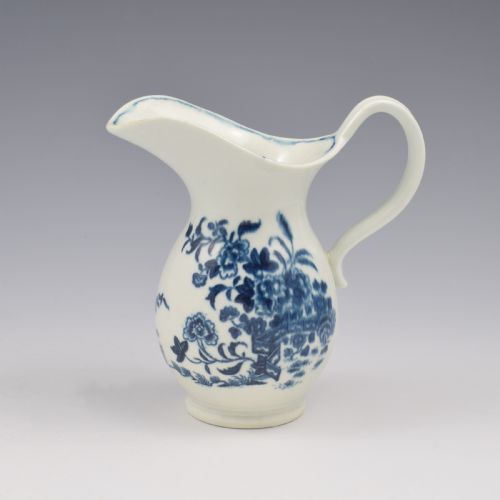
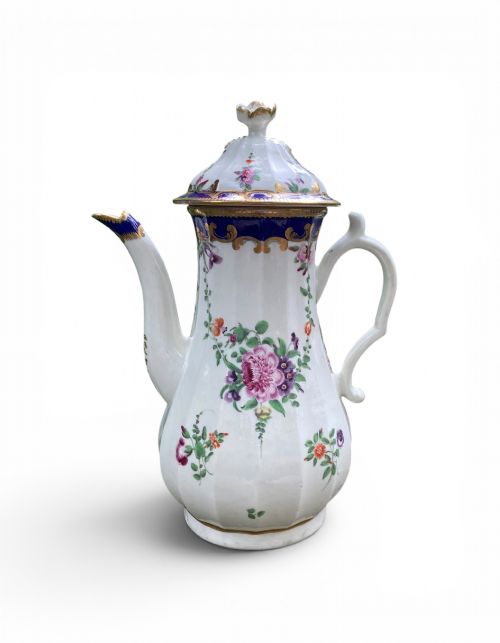
When searching for a Worcester ceramic pitcher, collectors encounter a range of forms including ewers, milk jugs, water pitchers, and coffee pots spanning the eighteenth century through to the mid twentieth century. These vessels reflect long traditions of English ceramic production, particularly the notable output associated with eighteenth century Dr Wall periods and later nineteenth and twentieth century Royal Worcester factories.
The pieces appearing most frequently range from decorative nineteenth century ewers with elaborate handles to smaller milk and cream jugs decorated with painted fruit, gilding, or armorial crests. Traditional English styles dominate, alongside specific Victorian decorative movements and Aesthetic period designs that emphasise form and surface ornament.
Many items function primarily as decorative ewers and display pieces rather than utilitarian tableware, especially the larger pedestal ewers and reticulated porcelain vessels bearing puce marks. Smaller cream jugs and coffee pots offer tangible examples of domestic porcelain from Georgian and Edwardian households.
How they were made
Makers shaped these pitchers from fine porcelain bodies, utilising traditional throwing and moulding techniques to achieve distinct forms such as cleft jugs, rope edge vessels, and classical ewer profiles. Surface decoration relied upon ceramic enamel paints applied by hand, often featuring detailed botanical studies, fruit subjects, or armorial crests.
Gilding and gold leaf highlights were frequently added to rims, handles, and borders, requiring careful second firings to fix the metallic details to the glaze. Reticulated and pierced porcelain designs demanded exceptional skill during the shaping process before the application of transparent or tinted glazes.
Worcester Ceramic Pitcher Retail Price Guide 2026
Typical asking prices for worcester ceramic pitcher among the pieces listed under this phrase on Sellingantiques today, from the lower quarter to the upper quarter. They describe what is for sale here now, not the wider market.
Some nineteenth century ewers were so elaborately curvy they clearly prioritized sculptural drama over ever pouring a single drop of water.
What varies in quality
Quality in these pitchers rests upon the crispness of the porcelain moulding and the precision of the hand painted details, particularly on floral and fruit decorated surfaces. Pieces bearing signatures from known artists or factory marks such as early Dr Wall periods or specific puce stamps command greater interest among serious collectors.
The refinement of the gilding and the structural integrity of complex handles, spouts, and reticulated sections also distinguish finer examples from standard production items. Balance in the vessel's proportions and the even application of the glaze indicate the level of craftsmanship invested in the piece.
Royal Worcester·Grainger Worcester·Chamberlain Worcester·Dr Wall Worcester
The Worcester Ceramic Pitcher Glossary
- Ewer
- A large jug or pitcher with a wide spout and elaborate handle, traditionally used for holding water or wine but frequently produced as a purely decorative object in later periods.
- Puce mark
- A purple factory stamp used by Royal Worcester during the nineteenth and twentieth centuries to date and authenticate porcelain production.
- Reticulated
- Describes porcelain featuring an openwork pattern cut into the clay body before firing, creating an intricate latticework effect.
- Armorial
- A style of ceramic decoration featuring painted family crests, coats of arms, or heraldic devices commissioned by landed families.
- Dr Wall period
- The earliest phase of Worcester porcelain production, spanning the eighteenth century and named after the physician and founding partner Dr John Stinton.
Worcester Ceramic Pitcher: Frequently Asked Questions
How can I date an antique Worcester ceramic pitcher?
Dating relies heavily upon factory marks stamped or painted on the base, such as early crescent marks, flight periods, or nineteenth century puce stamps containing specific date ciphers. Stylistic evidence, including Victorian aesthetic influences or Georgian armorial designs, also points toward specific manufacturing decades.
Material composition and the style of hand painting provide further clues, as eighteenth century porcelain paste differs visibly from later Victorian and Edwardian bodies.
Were these pitchers used for daily dining?
Smaller cream jugs, milk pitchers, and coffee pots served direct functions in Georgian and Edwardian dining rooms, accompanying tea and coffee services. Larger decorative ewers and pedestal vases were intended entirely for display on sideboards or mantelpieces.
Owners typically reserved highly gilded or finely painted fruit jugs for special occasions rather than rough everyday use.
How do I care for antique porcelain pitchers?
Antique porcelain requires gentle hand washing in warm water with mild soap, avoiding harsh scrubbing or modern dishwashers that can damage delicate enamel and gold leaf. Display locations should remain away from direct sunlight and sudden temperature fluctuations to protect the glaze.
Lifting larger ewers by the body rather than the delicate handle prevents accidental stress fractures on historic porcelain joints.